Retro Recordings XR — Heritage Archive

Why does a VR studio
have a console archive?

Building Retro Recordings XR means deciding what goes in the room. Which console, which tape machine, which microphone — and more importantly, why those specific pieces. That research rabbit hole turned into something bigger than expected.

Tracking down why an SSL 4000E felt different from a Neve 8078, why the Studer A80 was specified at Abbey Road and Hansa both, or why fewer than 500 Telefunken ELA M 251s were ever made and every one of them is still in use somewhere — it became clear this history deserved more than a footnote.

A growing archive. The consoles, tape machines, microphones and rooms that made history — and the engineers who shaped the sound. Please enjoy.

If you have corrections, information, cool stories, video (link) or photos available to share for any of this equipment or studios, please don’t hesitate to contact me.

◆  Featured today
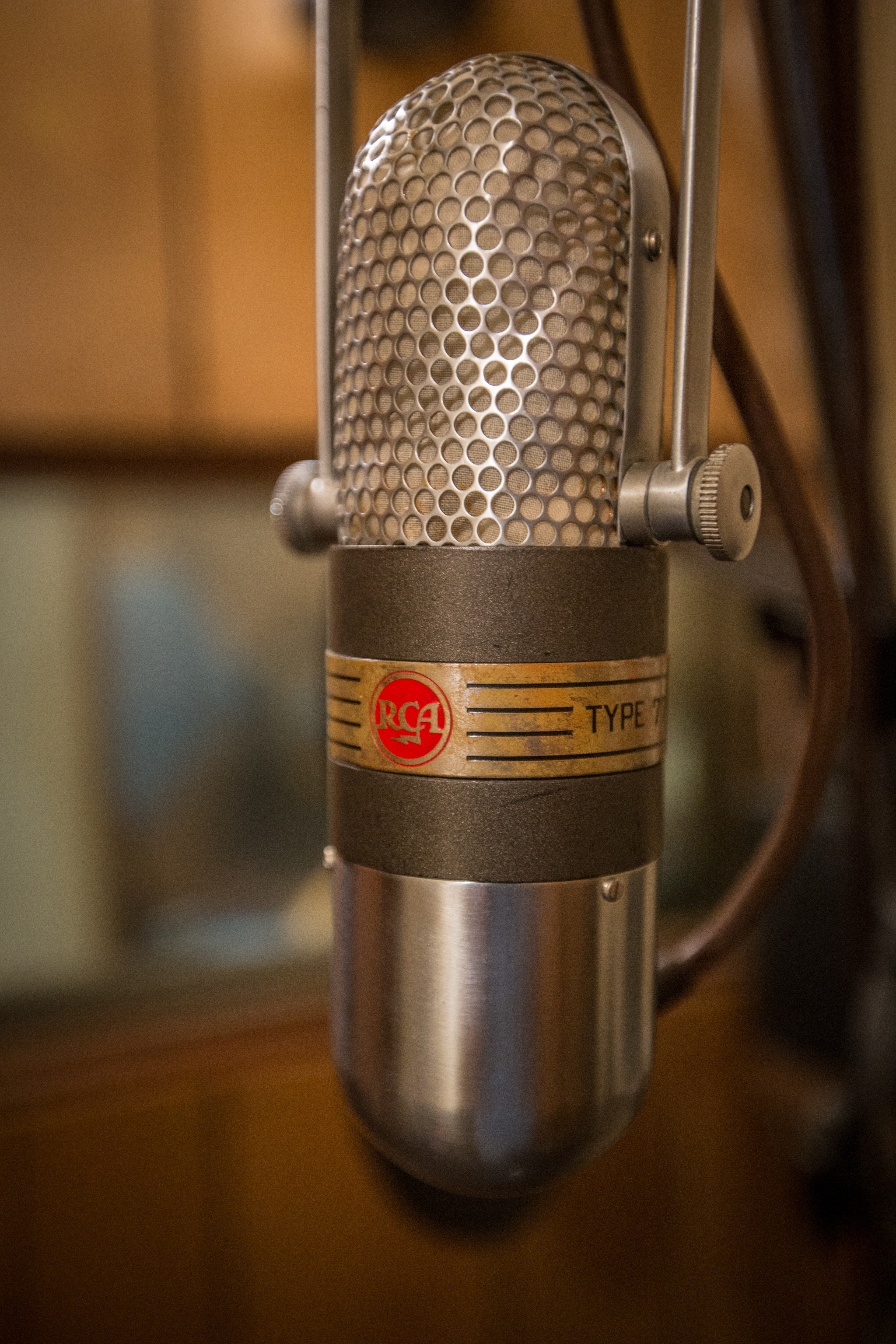
RCA 77-DX
Microphone 🇺🇸

RCA 77-DX

One of the most visually recognised objects in mid-century American culture. Every major TV entertainer of the 1950s was photographed singing into a 77-DX.

Iconic recording Standard American television broadcast mic, 1950s–60s

↻  A different item featured on every visit

Console Archive

Mixing Consoles

35+ brands · 80+ models · original magazine ads 1965–2000

Browse all →
Neve logo 🇬🇧 1972

Neve 8078 / 8028

The British sound. Zeppelin, Bowie, Fleetwood Mac — transformer-coupled Class A warmth that no plug-in has fully replicated.

View in archive →

SSL logo 🇬🇧 1979

SSL 4000 E / G

Total Recall changed everything. The console that defined the sound of 80s and 90s pop, rock and R&B — and still dominates professional studios.

View in archive →
API logo 🇺🇸 1971

API 1604 / 3224

Transformerless punch. The West Coast alternative to Neve — tight, aggressive, fast. The sound of LA rock and country.

View in archive →

Harrison logo 🇺🇸 1975

Harrison 3232 / 32C

Thriller. Nevermind. Both recorded on Harrison. The console everyone overlooks — and the one responsible for some of the biggest records ever made.

View in archive →

Tape Machine Archive

Tape Machines

The machines that captured everything — before digital existed.

Browse all →
Studer A80 (2-track mastering)
🇨🇭 1967

Studer A80 (2-track mastering)

The mastering standard. Abbey Road, Capitol, Decca — the final master of almost every major classical and pop recording of the 1970s passed through an A80 ¼ inch 2-track. Nothing before or since has matched its speed stability.

Ampex MM-1000
🇺🇸 1968

Ampex MM-1000

Rumours. Tapestry. Physical Graffiti. The American workhorse at RCA Studio B and beyond — the machine that captured the sound of rock and soul at its peak.

MCI JH-24
🇺🇸 1975

MCI JH-24

Found in studios from Miami to Nashville to LA. The affordable professional standard that made 24-track recording accessible industry-wide.

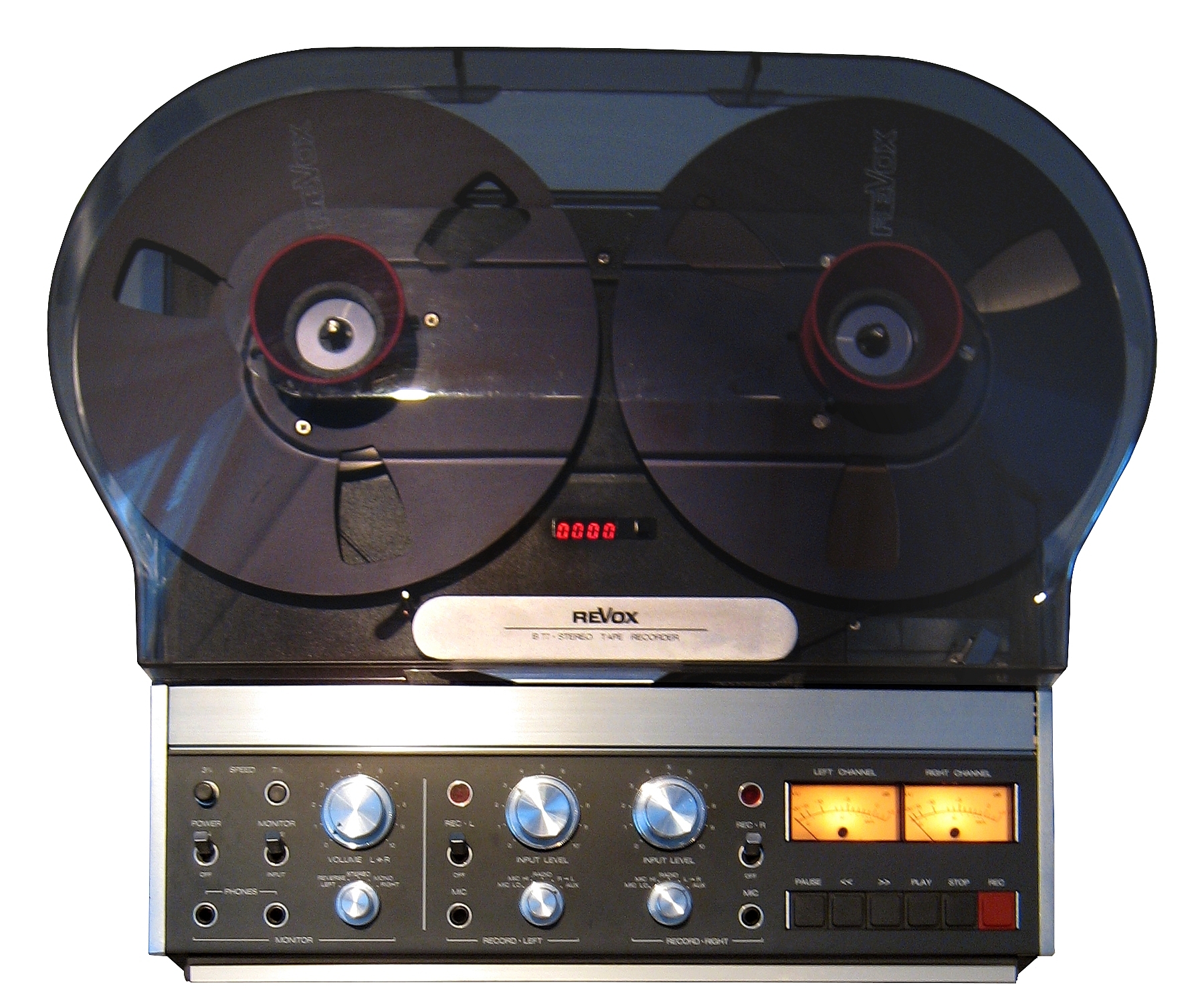
Revox B77
🇨🇭 1977

Revox B77

The affordable Studer sibling that made professional-grade recording accessible to independent studios and home recordists everywhere.

Microphone Archive

Microphones

13 legendary instruments across 6 manufacturers — the voices behind the voices.
Browse all →
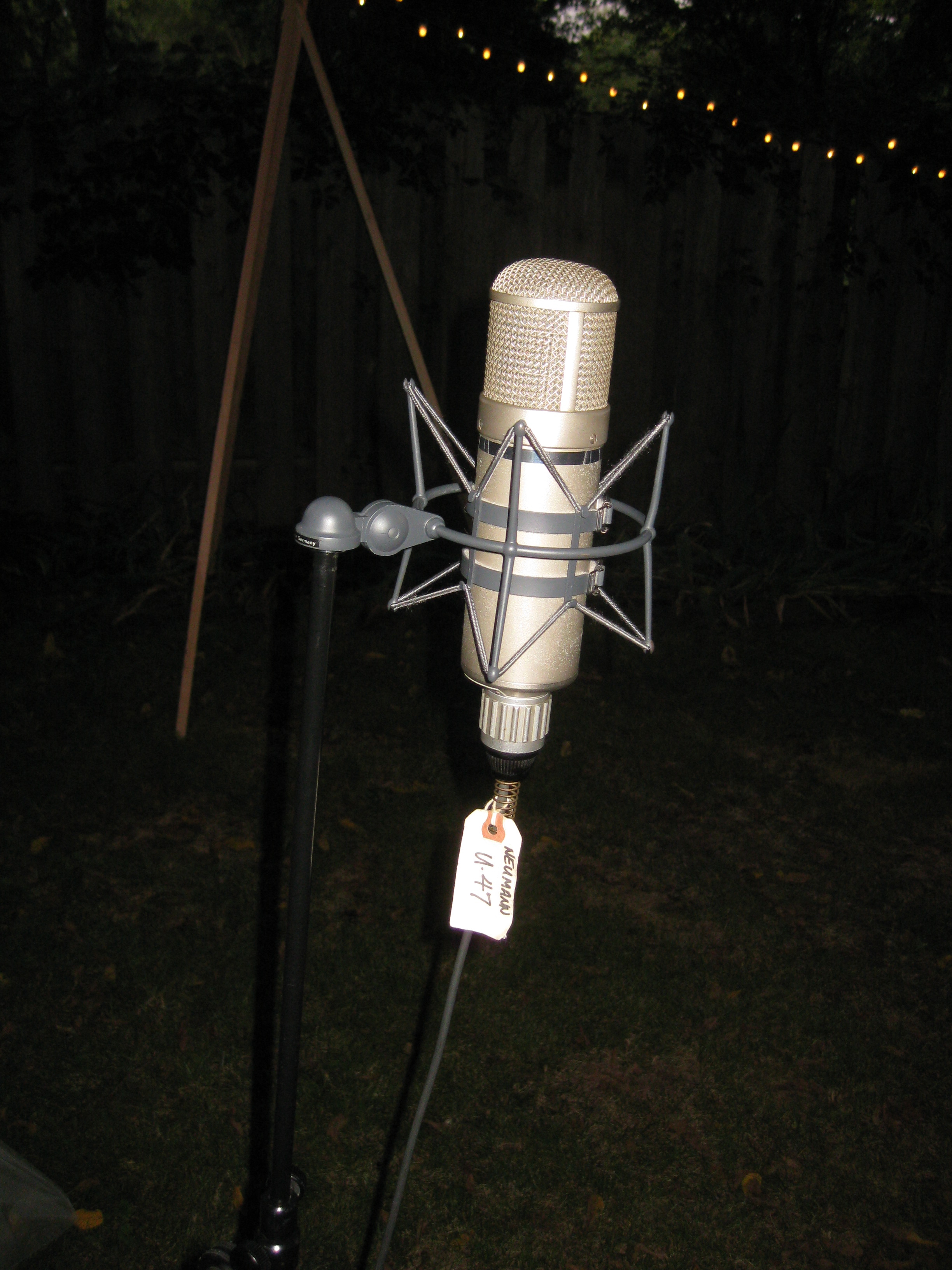
Neumann U 47
🇩🇪 1947

Neumann U 47

Frank Sinatra's Capitol albums. The Beatles at Abbey Road. By most engineers' reckoning — still the finest microphone ever made.

RCA 44-BX
🇺🇸 1931

RCA 44-BX

The ribbon mic that defined American radio and Hollywood recording. Bing Crosby, Nat King Cole, Glenn Miller — all through the 44-BX.

🇩🇪 1960

Telefunken ELA M 251

Fewer than 500 ever made. Every one of them is still in use somewhere. Tony Bennett, Barbra Streisand, Diana Krall — all recorded on 251s.

Shure SM7B
🇺🇸 1973

Shure SM7B

A broadcast mic that became a recording legend. Bruce Swedien chose it for Michael Jackson's lead vocal on Thriller. The rest is history.

Studios Archive

Recording Studios

28 iconic rooms across four continents — the walls that heard everything.

Browse all 28 →
Abbey Road Studios
🇬🇧 est. 1931

Abbey Road Studios

The most famous recording address in the world. Studio Two is preserved almost exactly as it was during the Beatles sessions.

Electric Lady Studios
🇺🇸 est. 1970

Electric Lady Studios

Jimi Hendrix's personal studio in Greenwich Village. He died months after it opened. The room outlived him by half a century.

Muscle Shoals Sound
🇺🇸 est. 1969

Muscle Shoals Sound

Four session players in Alabama created a groove that pulled the Rolling Stones, Aretha Franklin, and Bob Dylan south.

Hansa Tonstudio
🇩🇪 est. 1962

Hansa Tonstudio

Bowie. Eno. Visconti. Within sight of the Berlin Wall. The Meistersaal sessions produced Heroes — and possibly the greatest record ever made.

Legends Archive

Engineers & Producers

The people behind the sound — from the mixing chair to the rack.
Browse all →
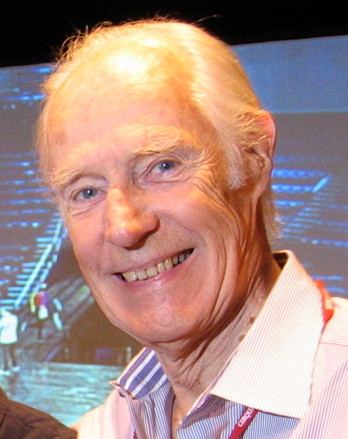
George Martin

Producer · Arranger

George Martin

The producer who made experimentation possible.

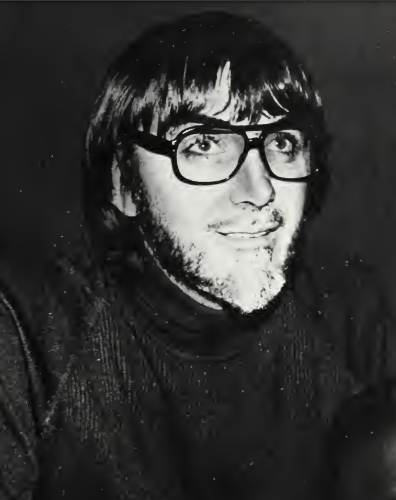
Tom Dowd

Engineer · Producer

Tom Dowd

The Manhattan Project physicist who pioneered linear faders.

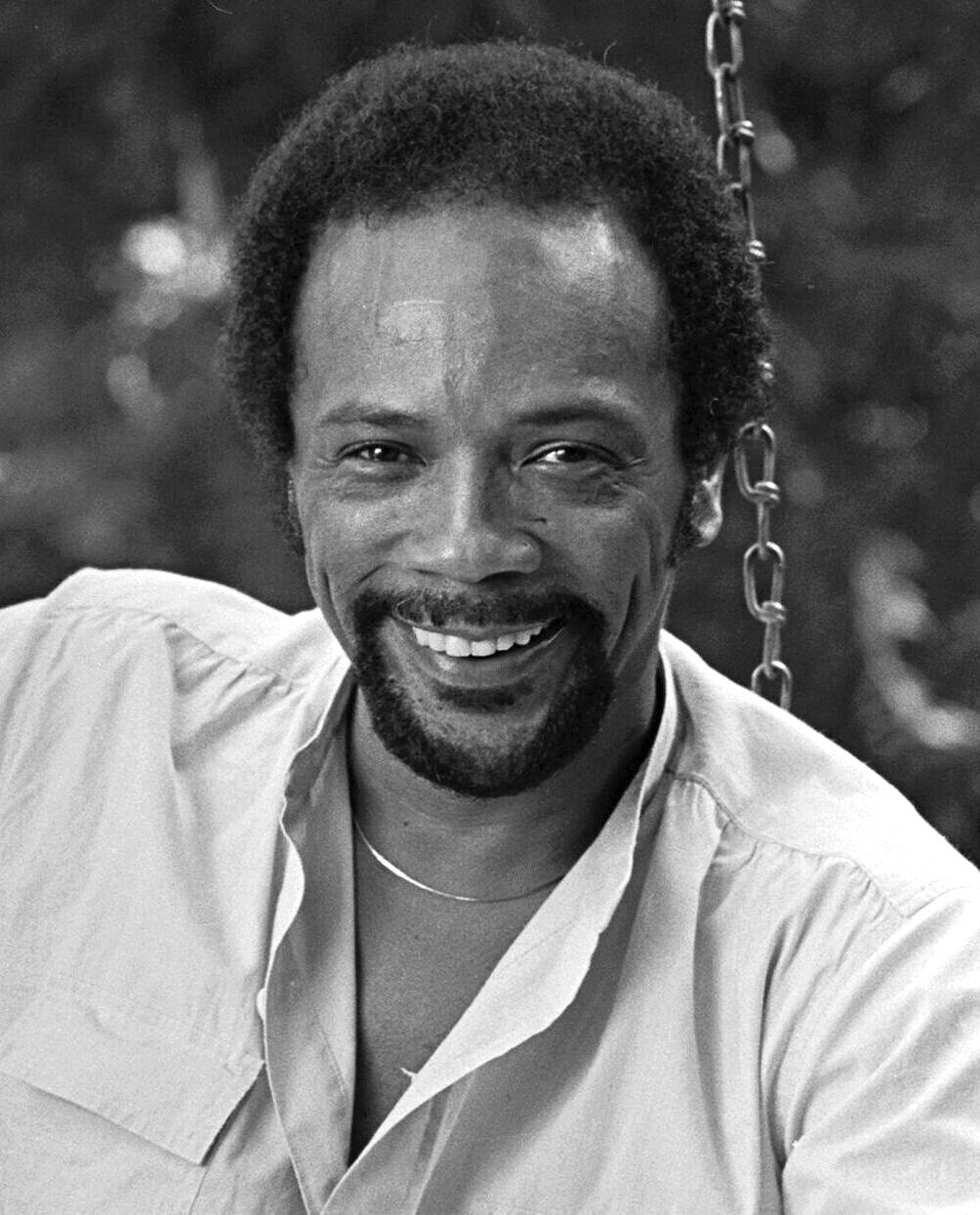
Quincy Jones

Producer · Arranger · Composer

Quincy Jones

Sinatra, Thriller, We Are the World — seven decades.

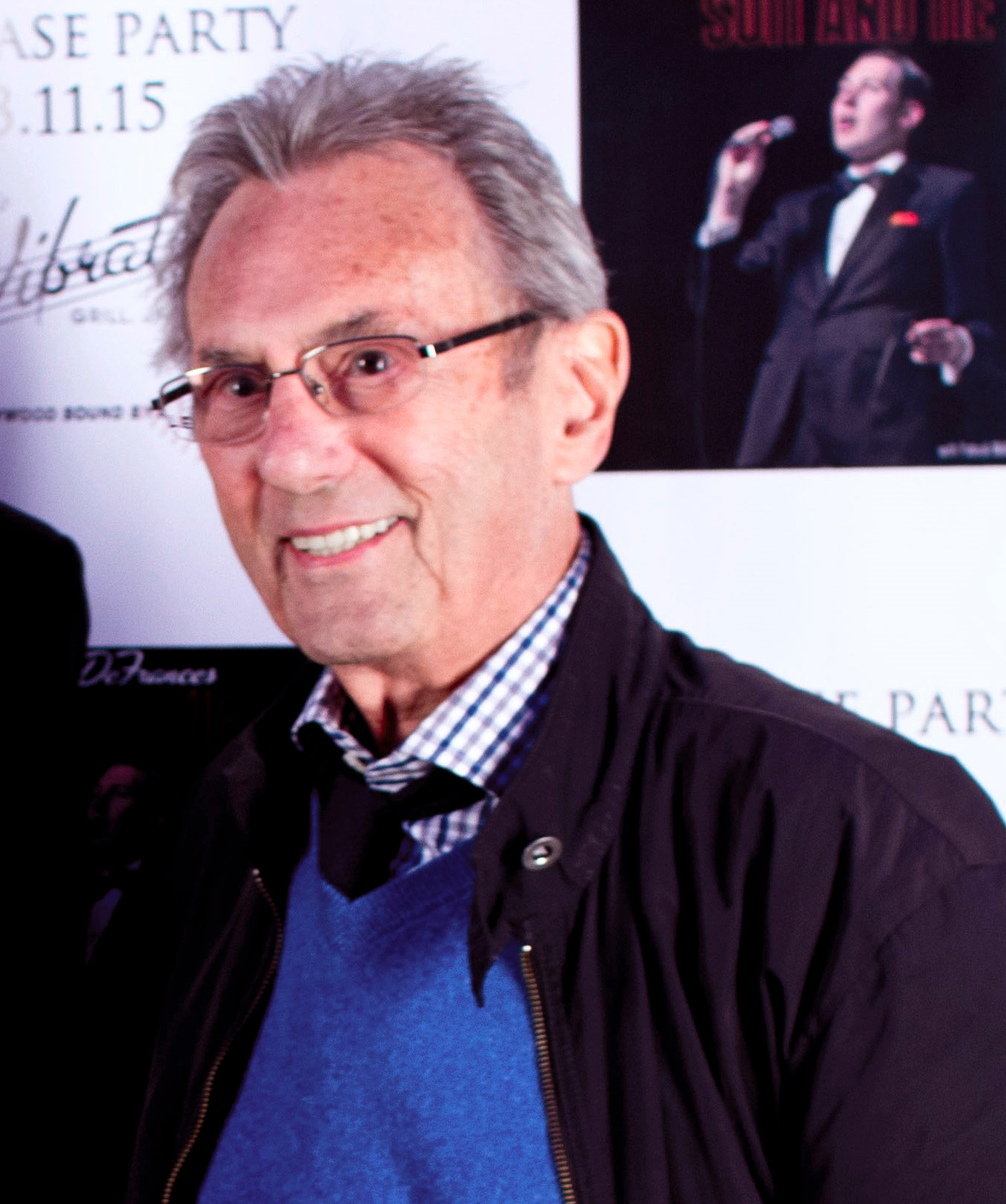
Al Schmitt

Engineer · Producer

Al Schmitt

23 Grammys across six consecutive decades.

Outboard Archive

Outboard & Effects

Compressors, EQ, reverbs and delays — the signal chain behind every great record.

Browse all →
Variable-mu tube 🇺🇸 1959

Fairchild 660 / 670

The Holy Grail of vintage limiters. Beatles. Pet Sounds. Still irreplaceable.

View in archive →

FET 🇺🇸 1968

UREI 1176

Fast, aggressive, ubiquitous. On more records than any other limiter.

View in archive →

Passive LC + tube 🇺🇸 1951

Pultec EQP-1A

The passive trick that defined low-end — boost and cut the same frequency simultaneously.

View in archive →

Class A discrete 🇬🇧 1970

Neve 1073

The British sound, in module form. Marinair iron, transformer-coupled Class A.

View in archive →