Heritage Archive · Recording Studios
The Studios That Shaped
Recorded Music
35 iconic rooms across four continents — the consoles, tape machines, and walls that define the sound of the twentieth century.
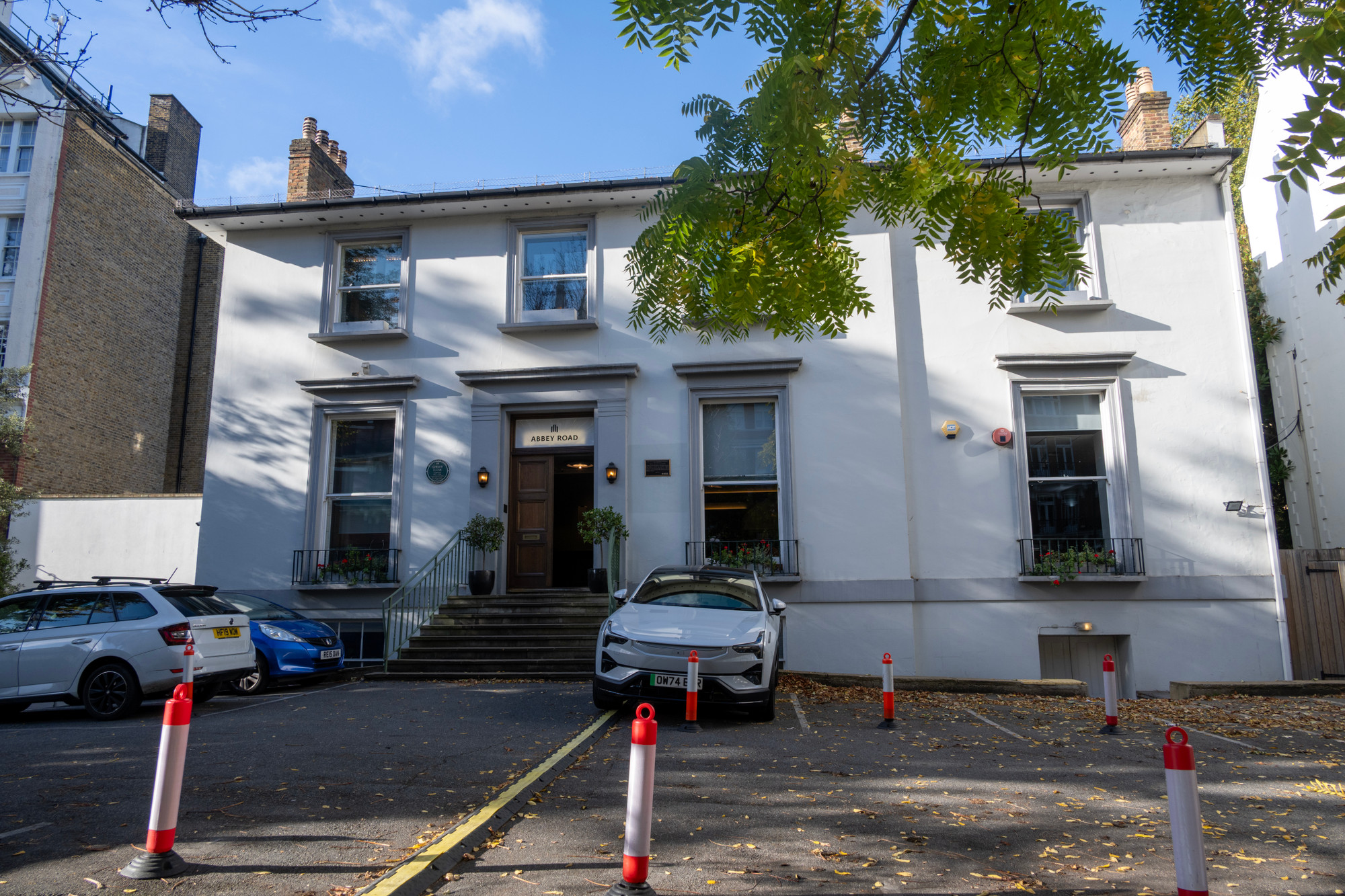 Abbey Road Studios exterior, 2025
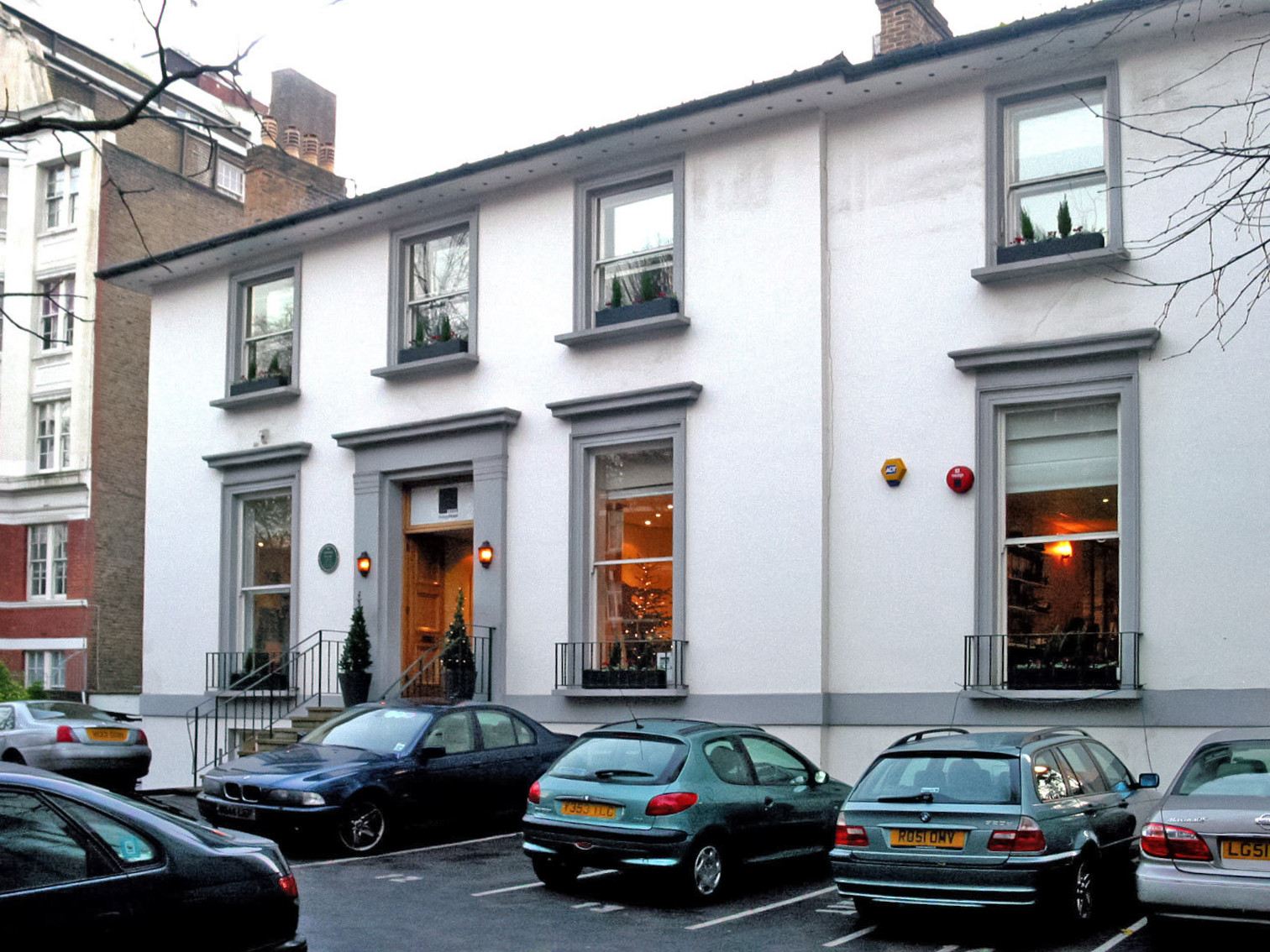 Abbey Road Studios exterior
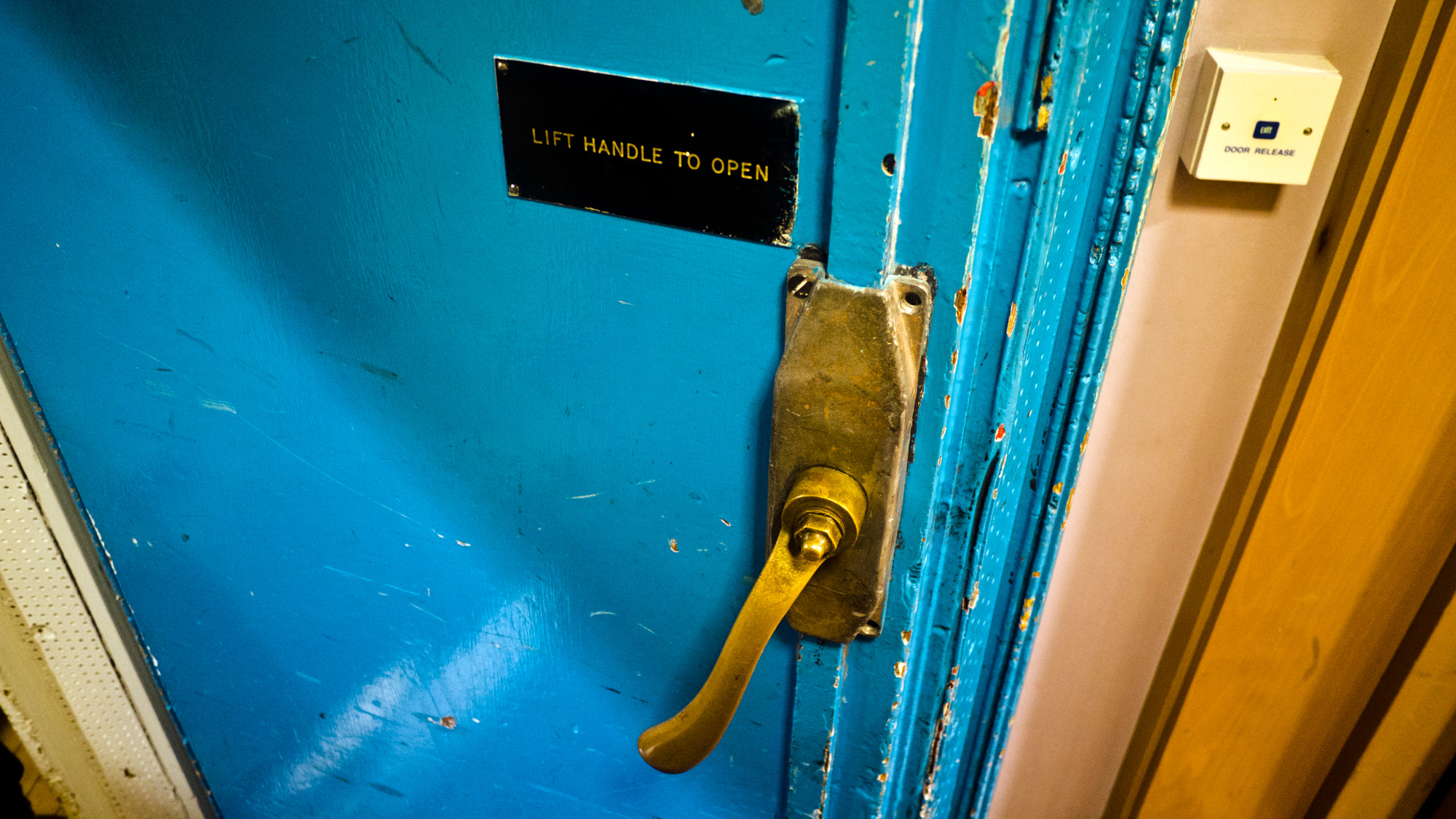 Studio Two door — 80th Anniversary open day
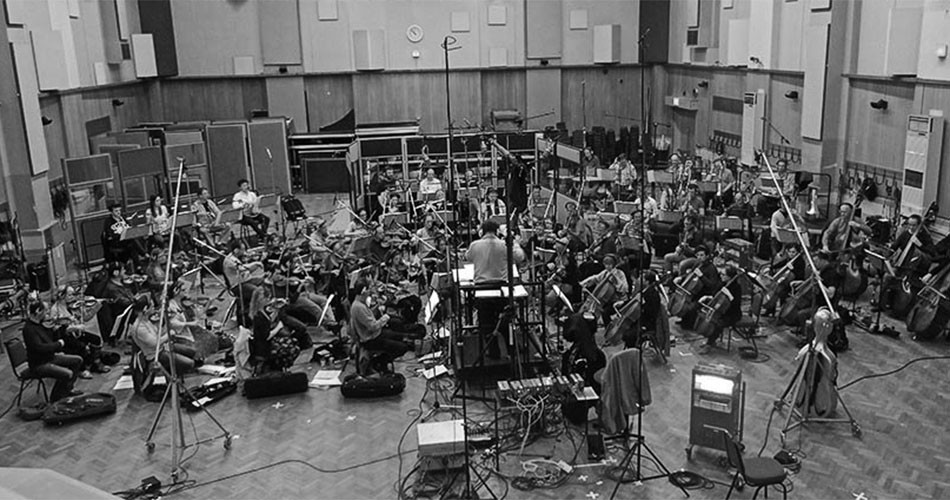 Royal Philharmonic Orchestra recording session, 2015
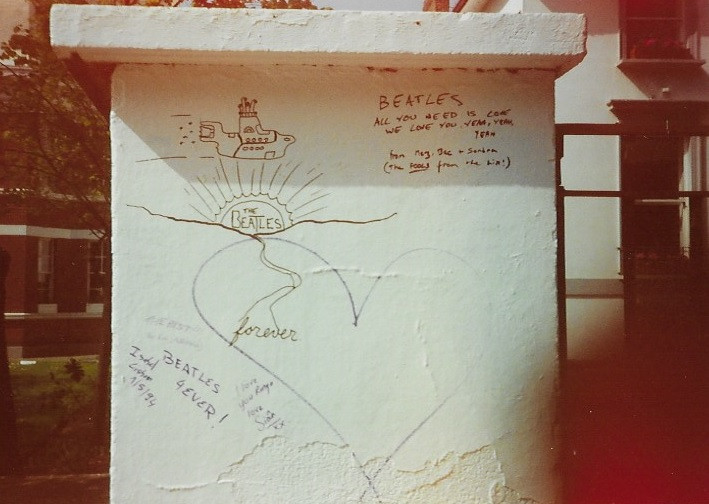 Fan graffiti wall outside Abbey Road, 1995
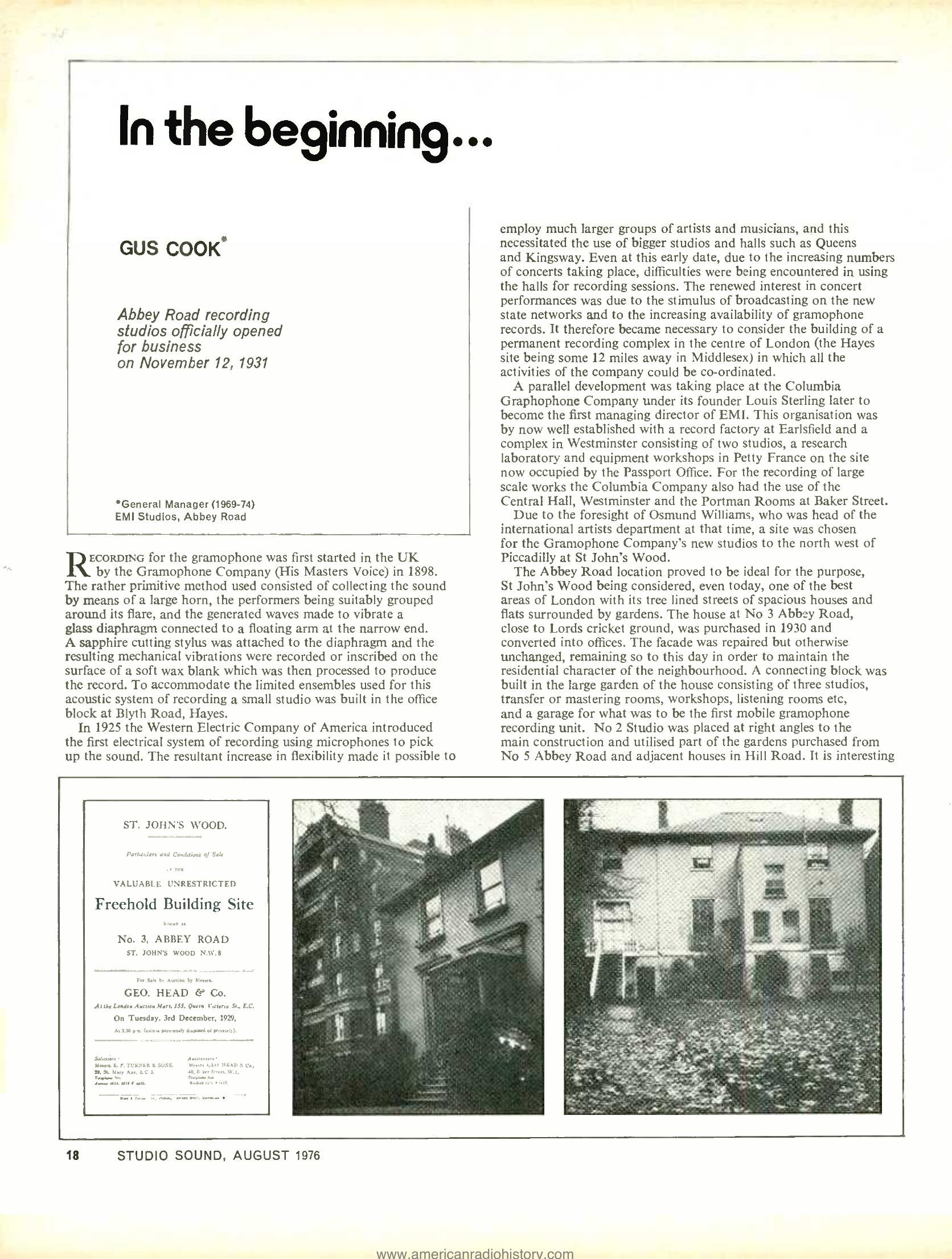
EMI Recording Studios opened at 3 Abbey Road, St John's Wood, on 12 November 1931 — with the London Symphony Orchestra, conducted by Edward Elgar himself, in one of the earliest sessions the building hosted. The building had been a nine-bedroom Georgian townhouse; EMI converted it into three studios of different sizes, giving it the capacity to handle everything from chamber ensembles to full orchestras. Studio One remains one of the largest purpose-built recording rooms in the world.
The studio was renamed by its most famous clients. The Beatles made their first Parlophone recording there on 6 June 1962, and between then and August 1969 they recorded virtually their entire catalogue in Studio Two — 211 songs across ten studio albums, produced by George Martin. On 8 August 1969, photographer Iain Macmillan spent ten minutes on a stepladder in the middle of Abbey Road photographing the four Beatles crossing the zebra crossing outside the building. The resulting image became the cover of the album they named after the studio, and the crossing has been a pilgrimage site ever since — designated a conservation area in 2010.
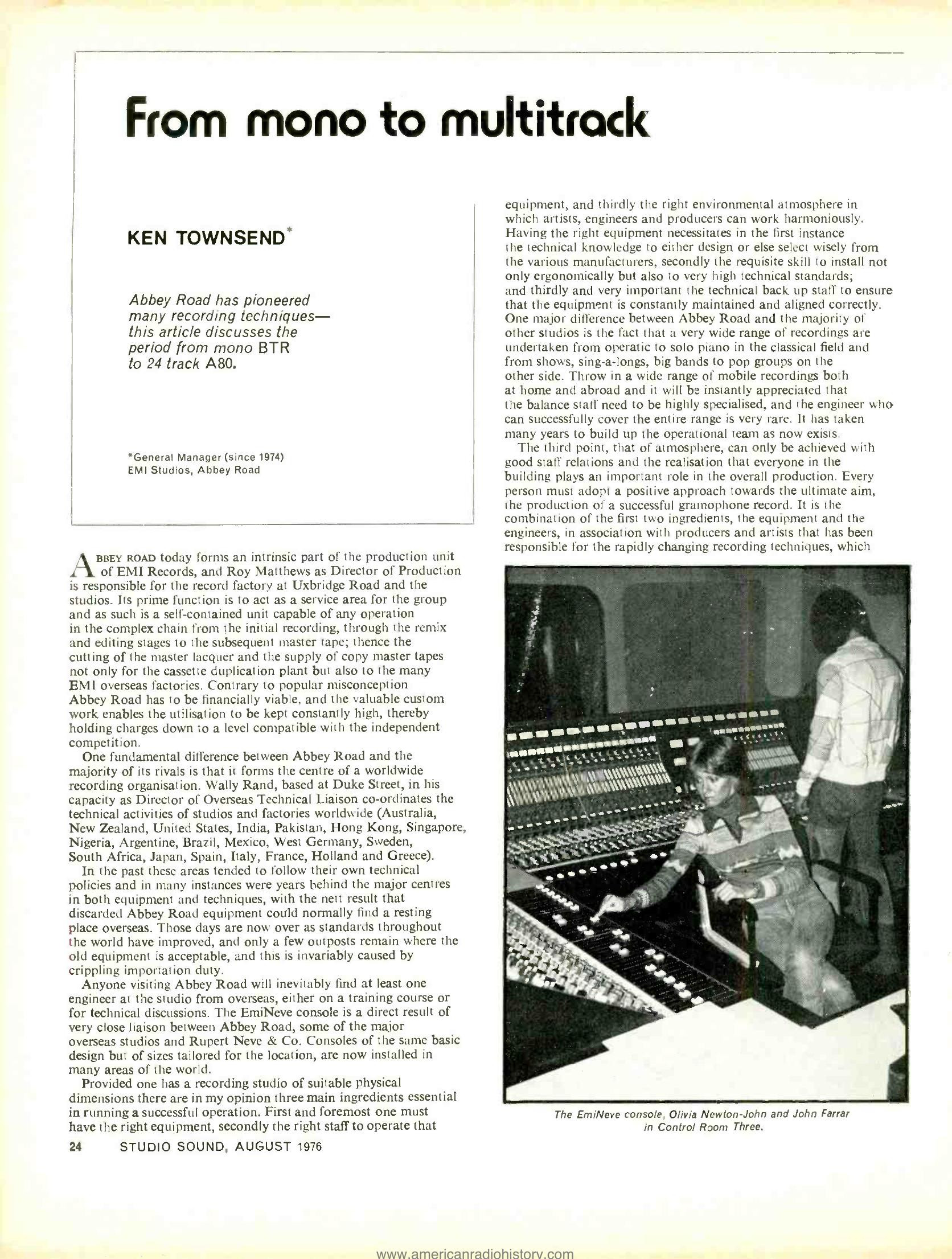
Studio Two's acoustic character came partly from its original EMI valve consoles — the REDD.37 and its predecessors — and partly from the room itself: a sprung floor, asymmetric ceiling, and parquet wood that gave recordings a liveness that was neither dead nor reverberant. The EMI TG12345 transistor console, introduced in 1968, was the desk on which 'Hey Jude', 'Let It Be', and the entire Abbey Road album were recorded. Pink Floyd used the studio continuously across the 1970s, recording 'The Dark Side of the Moon' (1973) and 'Wish You Were Here' (1975) there. The echo chambers beneath the control room — a flight of stone stairs — provided the distinctive plate-style reverb heard across decades of EMI recordings.
Today Abbey Road operates as a working commercial studio, recording Adele, Radiohead, Kanye West, and film scores including all of John Williams's recent work. The building was Grade II listed in 2010. Studio Two's original EMI TG12345 console — restored by Funky Junk International — sold for what was at the time the highest price ever paid for a single recording console.
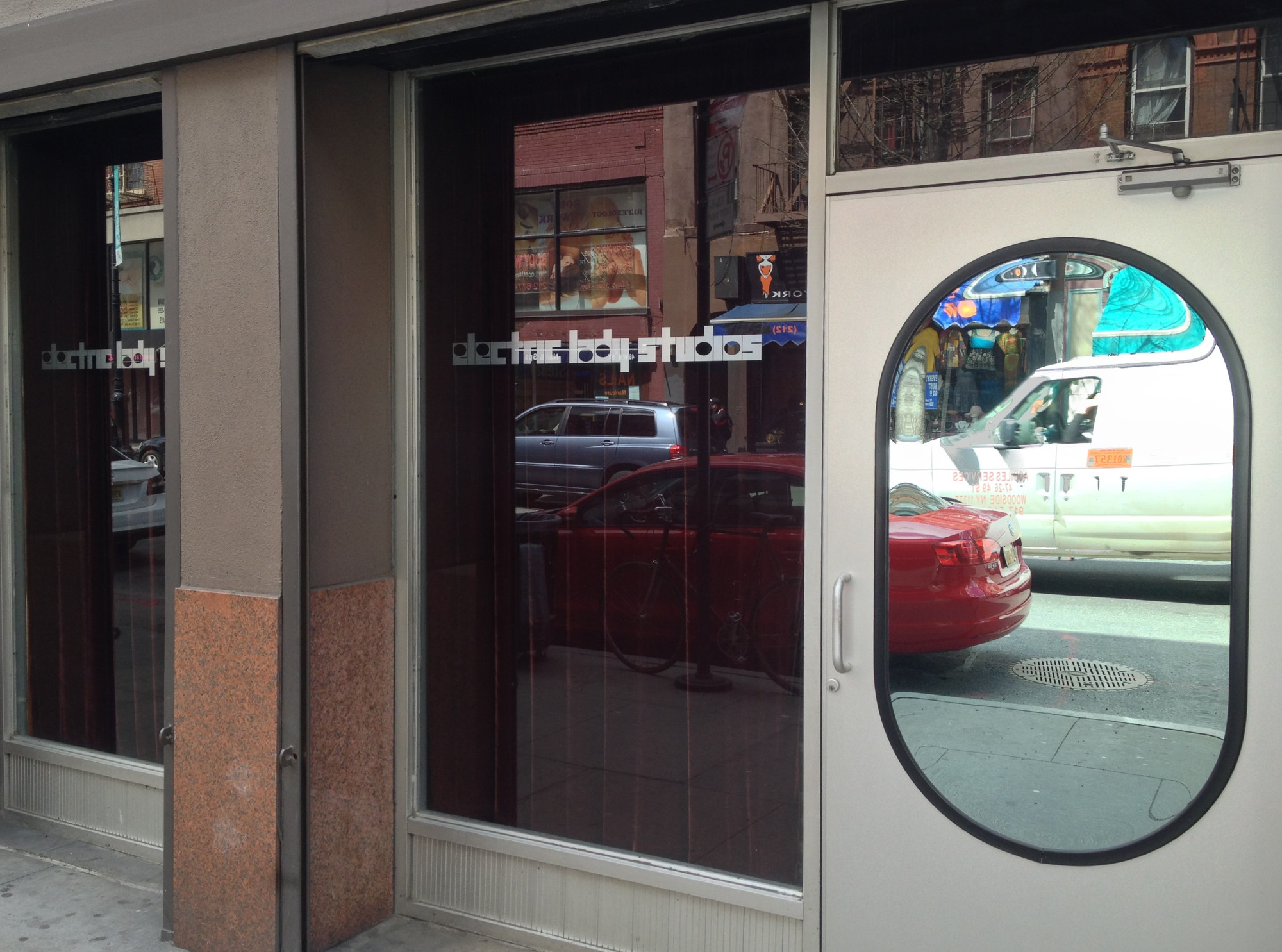 Electric Lady Studios exterior, 2013
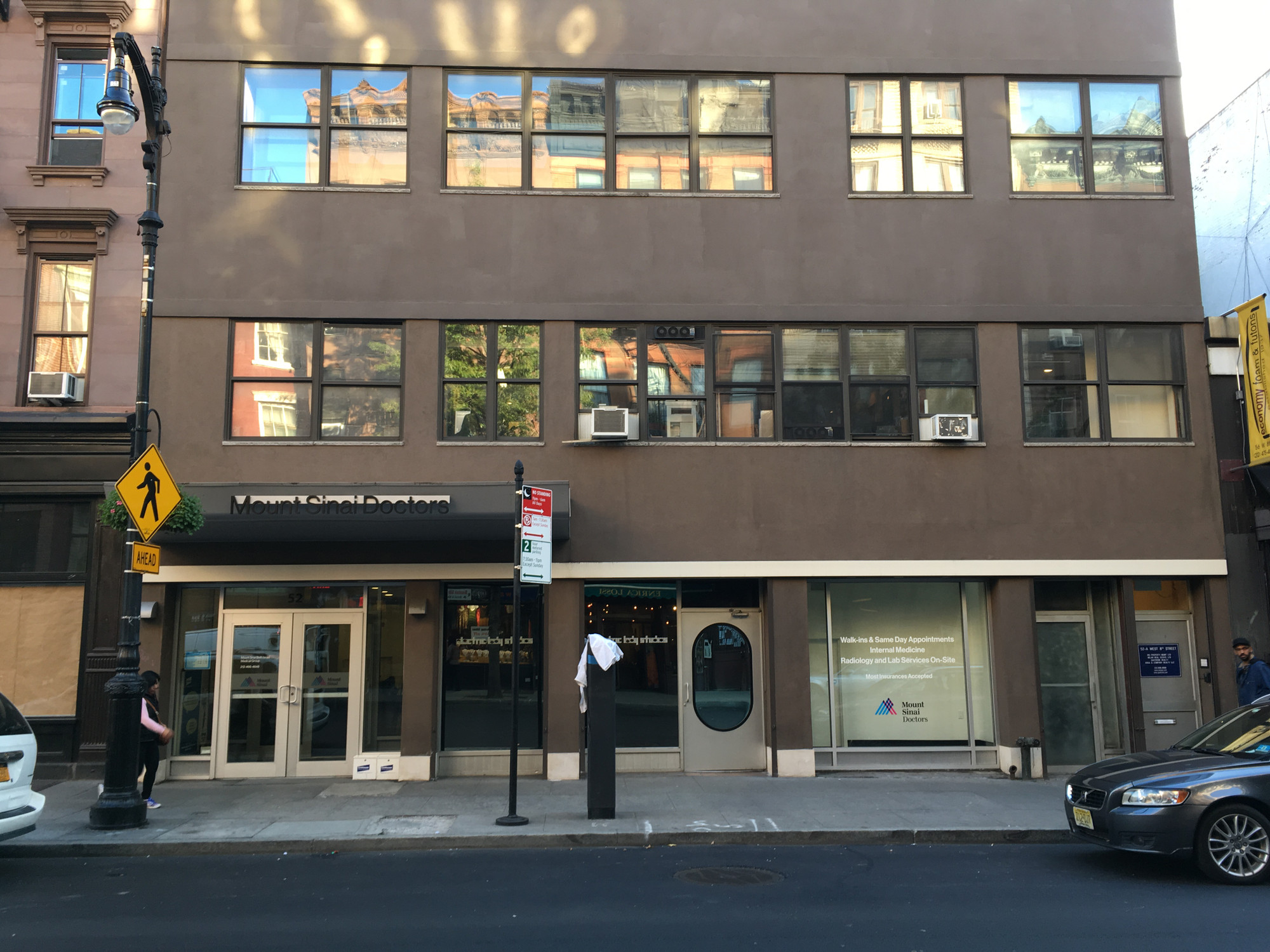 Electric Lady Studios entrance
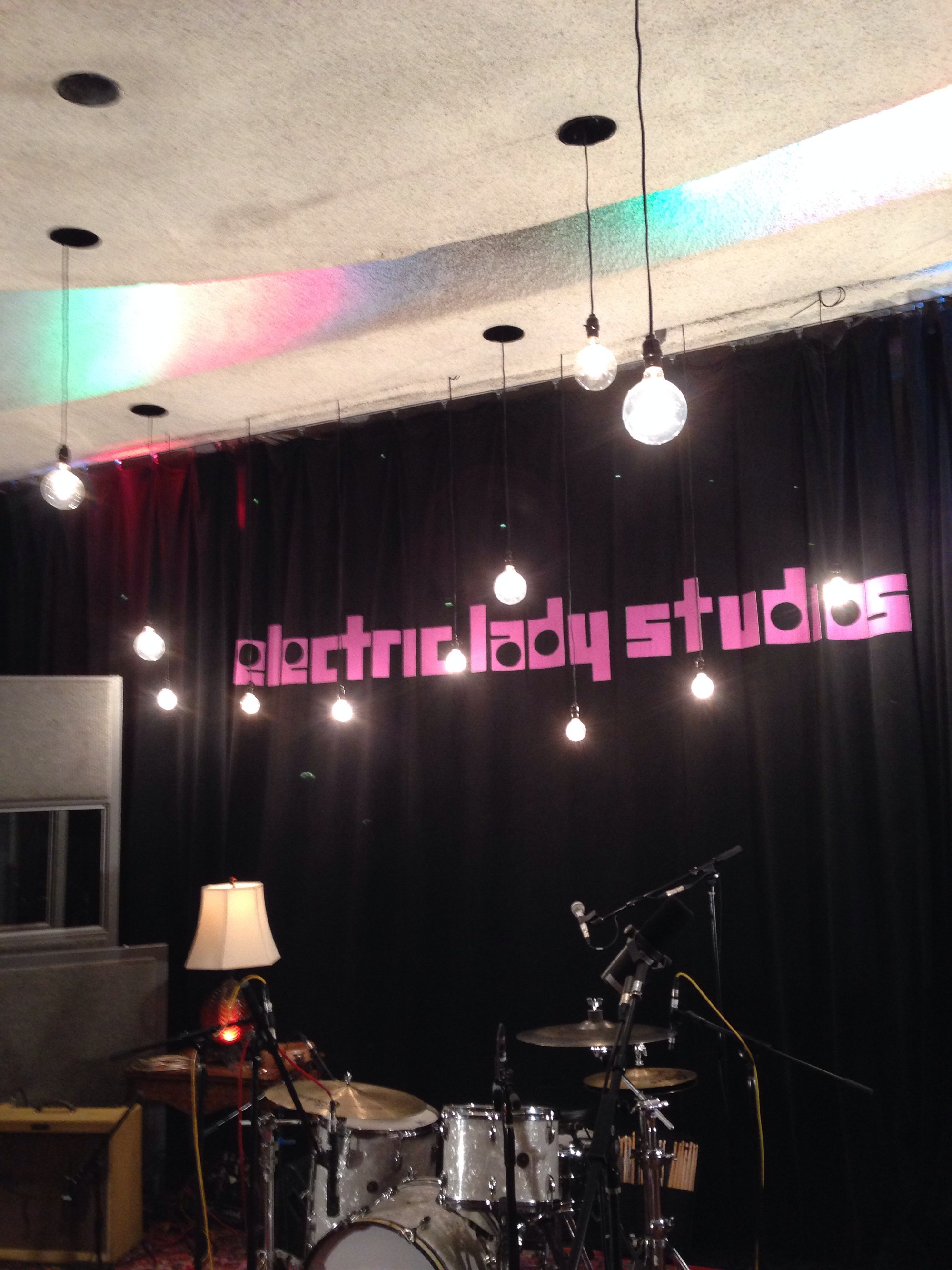 Studio A interior
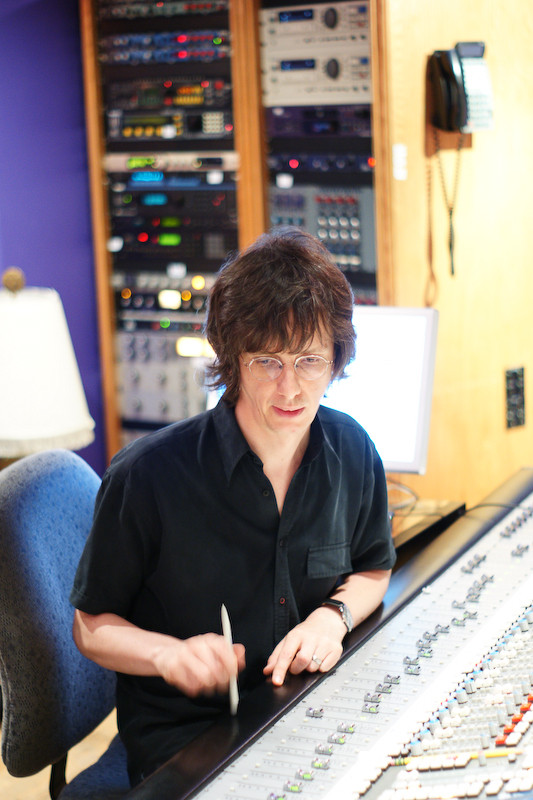 Studio C mixing session — Derek Trucks Band
🇺🇸 Electric Lady Studios
Greenwich Village, New York City, USA · est. 1970
electricladystudios.com ↗Jimi Hendrix commissioned Electric Lady Studios in 1968 on the site of a Greenwich Village nightclub — the Generation Club — at 52 West 8th Street. Frustrated with paying by the hour at commercial studios that served dozens of clients, he wanted a space that was entirely his: designed around his sound, available whenever inspiration arrived, with no outside pressures governing the session clock. Acoustic designers Eddie Kramer and John Storyk created curved walls, tinted lighting, and a psychedelic environment unlike anything that had been called a recording studio before.
The studio opened on 26 August 1970. Hendrix died 23 days later, on 18 September, in London. He had recorded only a handful of sessions in his own building. The studio he built survived him: within months it was booked by the Rolling Stones, Led Zeppelin, and Stevie Wonder. In January 1975, David Bowie arrived with John Lennon. During those Electric Lady sessions the two men wrote and recorded 'Fame' — a song Bowie would later describe as the product of a single afternoon, with Lennon adding the falsetto hook that gave the track its character.
Electric Lady has continued operating across five decades. Its combination of warm curved-wall acoustics, a Neve 8068 console in Studio A, and the specific frequency character of the rooms — shaped by their non-parallel surfaces — gives the studio a sound that engineers consistently describe as immediately recognisable. Lady Gaga, Taylor Swift, Vampire Weekend, and Jack White have all recorded there. The building's exterior, its curved entry and the studio's reputation for residency-style bookings, have made it one of the few commercial studios in the world with a mythology independent of any single artist.
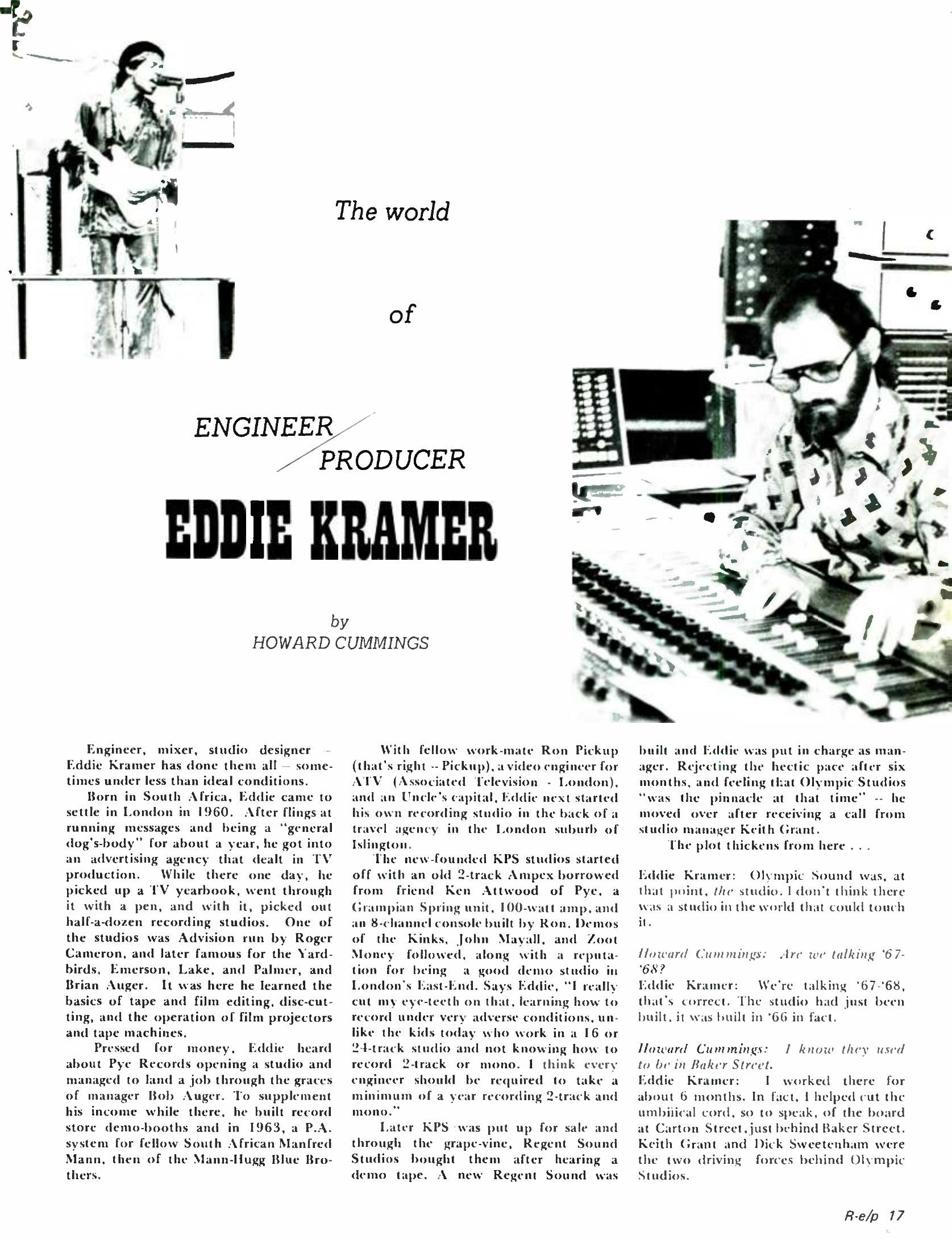
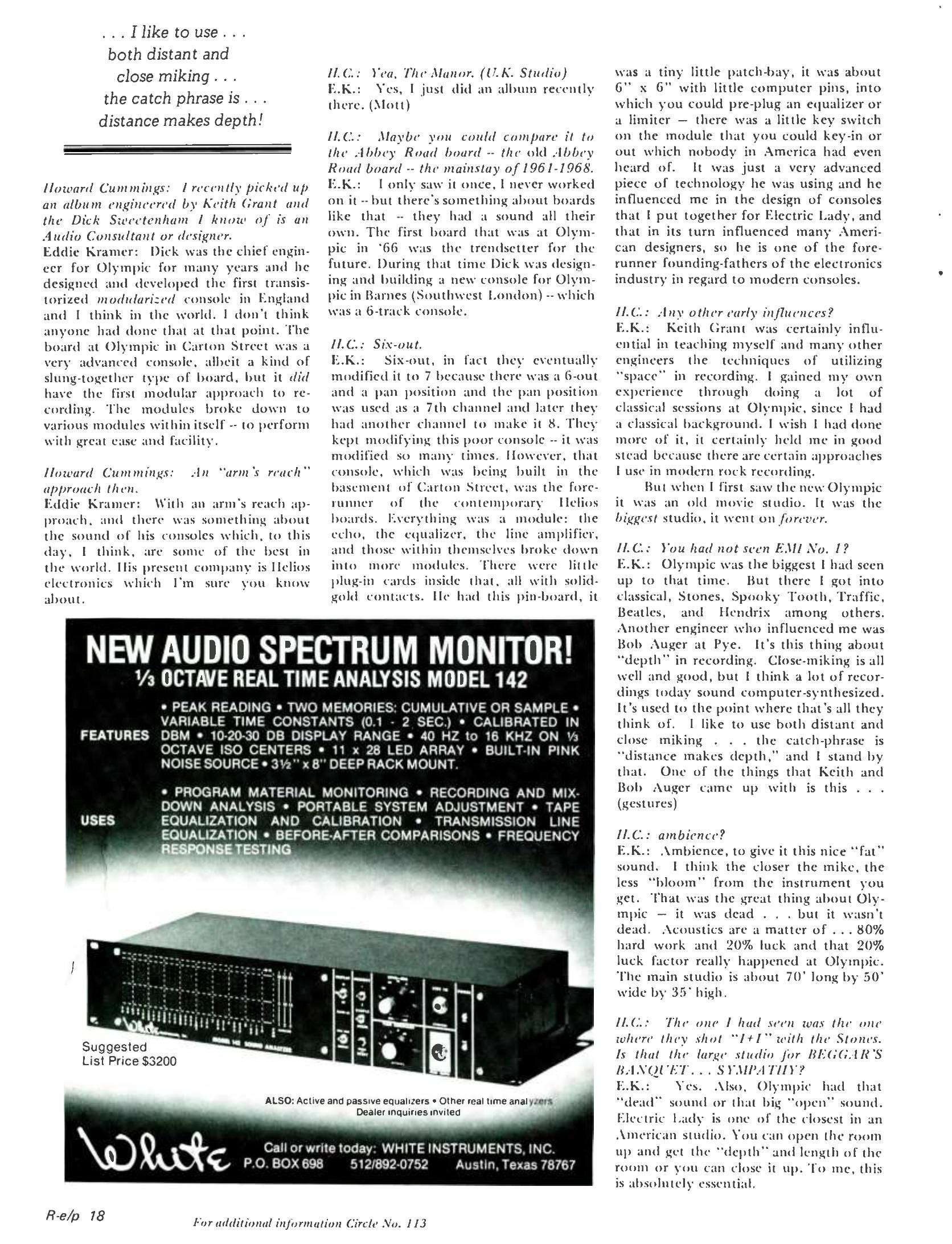
 Live room and control room, Apostolic Studios, New York City, c. 1967–1969
 At the console, Apostolic Studios, c. 1967–1969
 The prototype Scully 12-track machine, Apostolic Studios, c. 1967–1969
 The custom API prototype console — Painton arc faders, Apostolic Studios, c. 1967–1969
 Session crew at Apostolic Studios, New York City, c. 1967–1969
 Bob Berkowitz (songwriter) at Apostolic Studios, c. 1967–1969
 Sitar session at Apostolic Studios, c. 1967–1969
 Monica Boscia, studio manager, Apostolic Studios, c. 1967–1969
 Susan Kelly at Apostolic Studios, New York City, c. 1967–1969
 Saxophone session at Apostolic Studios, c. 1967–1969
🇺🇸 Apostolic Studios
10th Street near Broadway, Greenwich Village, New York City, USA · est. 1967 · closed 1970
astrococktail.com ↗Apostolic Studios was founded in the spring of 1967 by John Townley in a loft building on 10th Street near Broadway in Greenwich Village — a deliberate break from the uptown major-label studio world. The name referenced the twelve tracks and an unabashedly spiritual outlook. Townley introduced two things that did not exist anywhere else: the first independent cue system ever built into a mixing console (so musicians could hear their own headphone mix rather than whatever the engineer was monitoring), and faders in place of pots — designed by Lou Lindauer of Automated Processes, whose Apostolic work was the opening gambit of what became API.
The console — described by engineer Richard Kunc as "a sea of blue Formica" with British Painton arc-shaped faders — was paired with a prototype 12-track Scully machine built to Apostolic's own specifications, on one-inch tape, at a time when major studios ran eight tracks at most. Teenager Tony Bongiovi — second cousin of Jon Bon Jovi and later founder of New York's Power Station Studios — was among the house engineers, alongside Richard Kunc and John Kilgore. Within three months of opening, Apostolic was booked solid. During Frank Zappa sessions, engineers Kunc and Kilgore recreated the flanging effect by reverse-phasing a variable-speed 2-track Scully — a technique that predated Apostolic but that the studio's sessions helped popularise among New York's engineering community.
Apostolic's influence spread immediately. Gary Kellgren visited the studio before opening Record Plant and installed an identical 12-track Scully setup. Jimi Hendrix built Electric Lady Studios just blocks away on 8th Street, shaped by the same appetite for an independent creative facility outside the commercial studio system. Apostolic later expanded to Pacific High in San Francisco — the first 12-track studio on the West Coast.


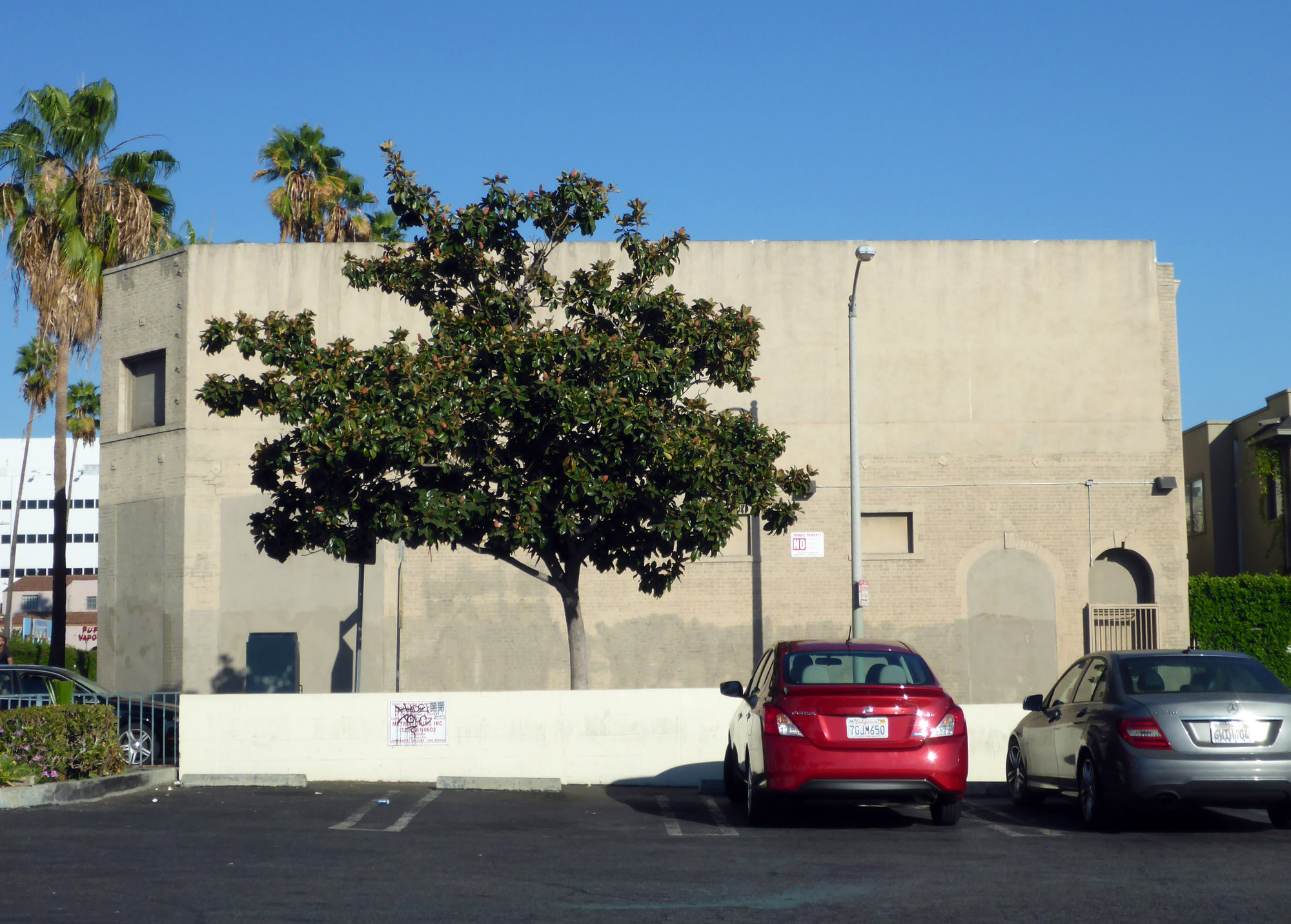
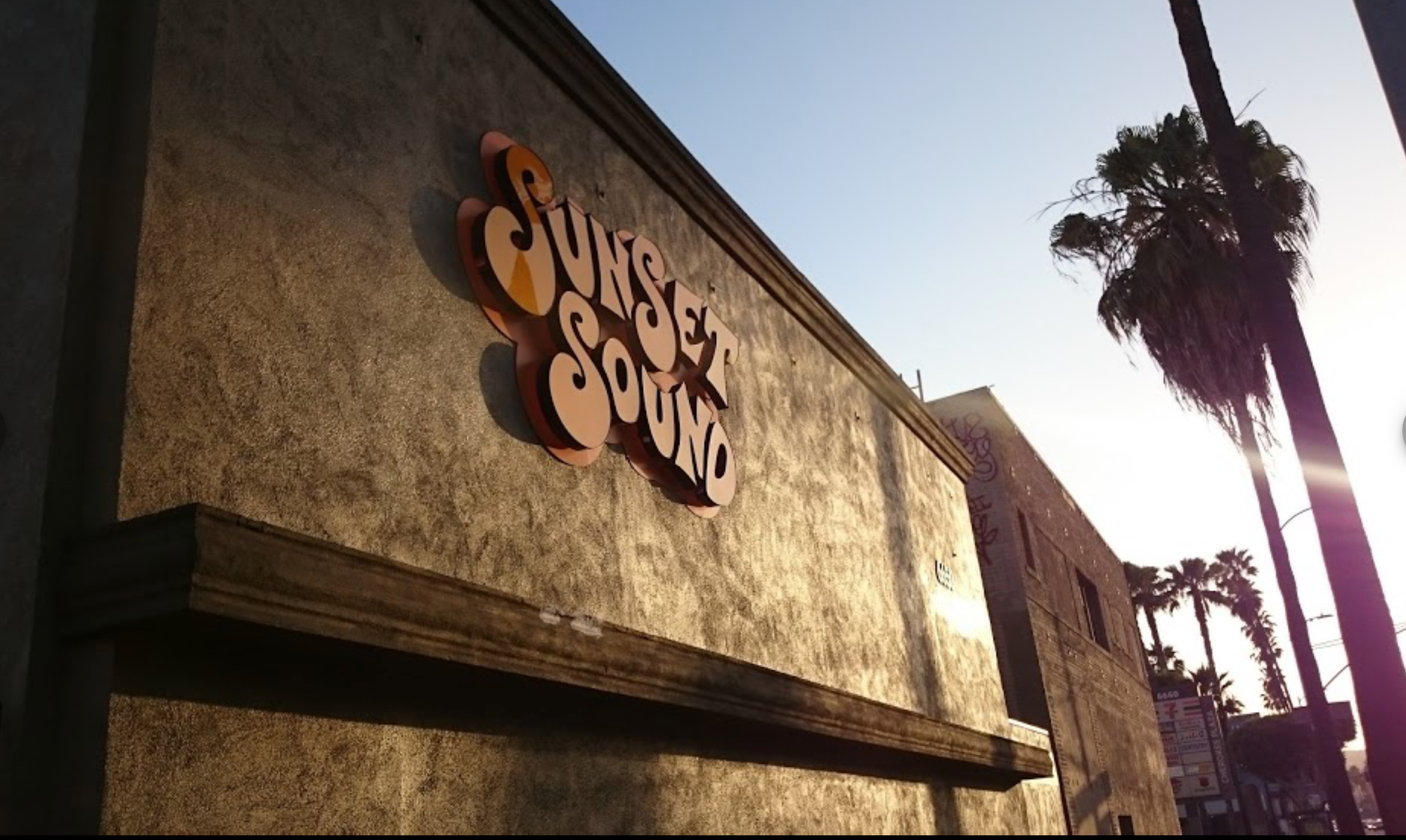
Tutti Camarata — musician, arranger, and producer for Walt Disney Productions — built Sunset Sound in 1958 on Cahuenga Boulevard in Hollywood to record Disney film soundtracks. Its first major production was the '101 Dalmatians' score in 1961. Camarata designed Studio 1 with a pronounced natural reverb, deliberately retaining room liveness that most studios of the era were trying to eliminate. That acoustic decision proved to be the studio's defining asset.
By the mid-1960s Sunset Sound had become one of Hollywood's premier independent facilities. The Rolling Stones recorded in Hollywood for extended sessions that produced 'Let It Bleed' (1969). The Doors recorded their final album 'L.A. Woman' there in late 1970 and early 1971, in sessions that took only two weeks — Jim Morrison setting up a vocal booth in the studio's bathroom corridor to capture the intimacy he wanted on the title track. Morrison died in Paris four months after the album's release.
Prince recorded the majority of his classic-era work at Sunset Sound from the early 1980s through the 1990s: 'Purple Rain', 'Around the World in a Day', 'Parade', and 'Sign 'O' the Times' were all made there. He would often work through the night alone, leaving completed tracks for his engineers to find the following morning. Led Zeppelin, Van Halen, Guns N' Roses, and Buffalo Springfield all recorded significant work in these studios. The room's warm natural reverb — product of Camarata's original acoustic brief — remains its most imitated but rarely replicated quality.
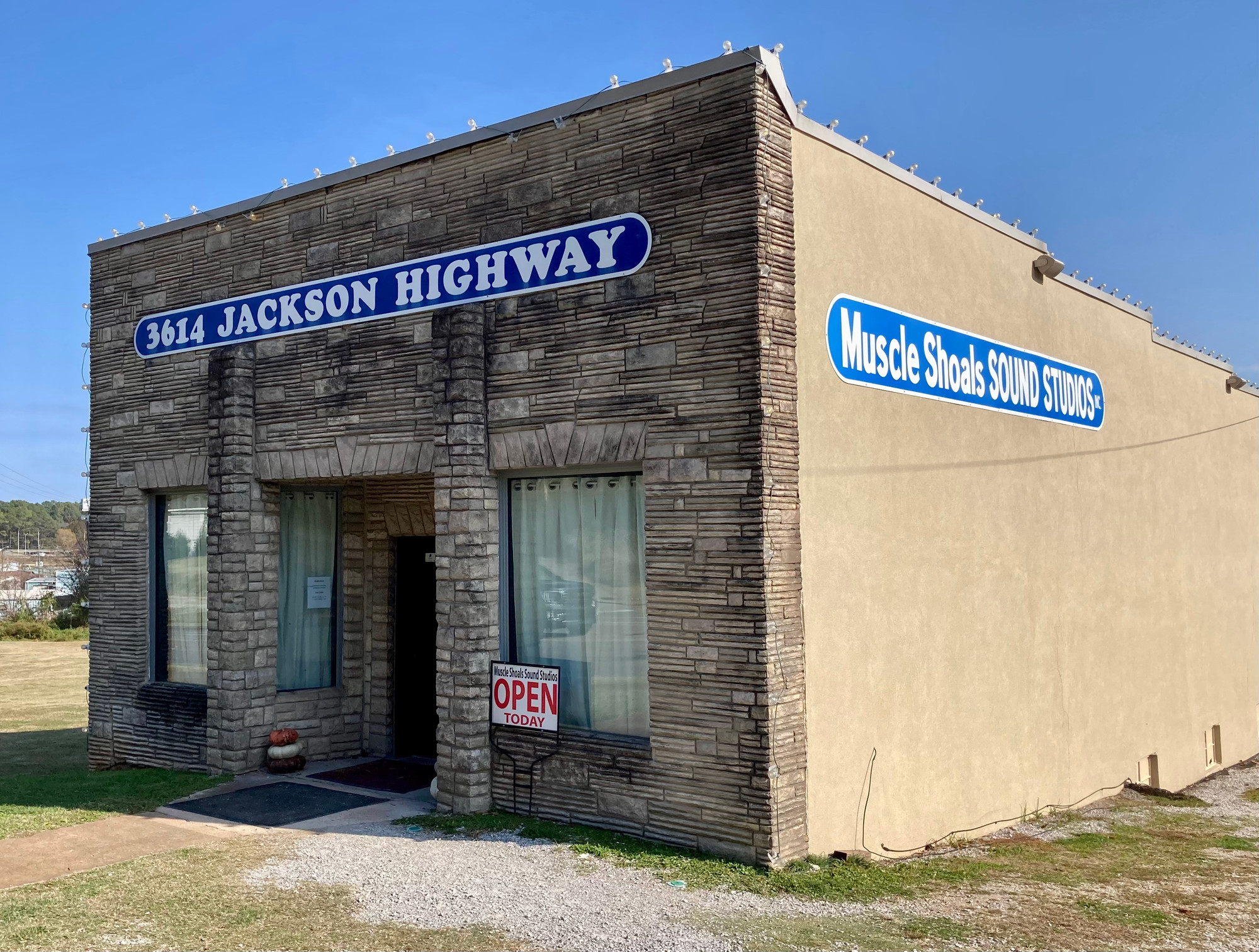 Muscle Shoals Sound Studio exterior — 3614 Jackson Hwy
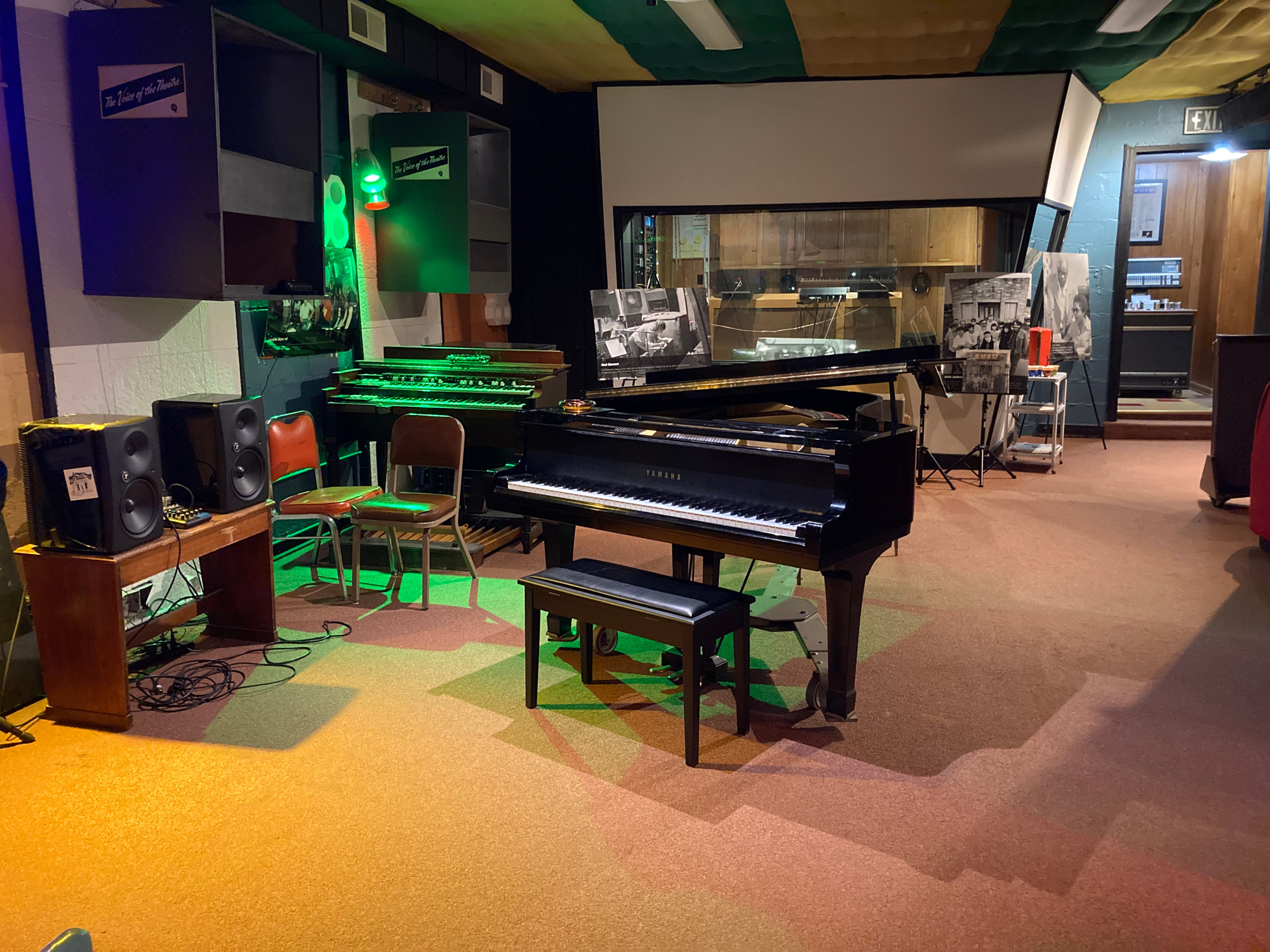 Muscle Shoals Sound Studio interior with instruments
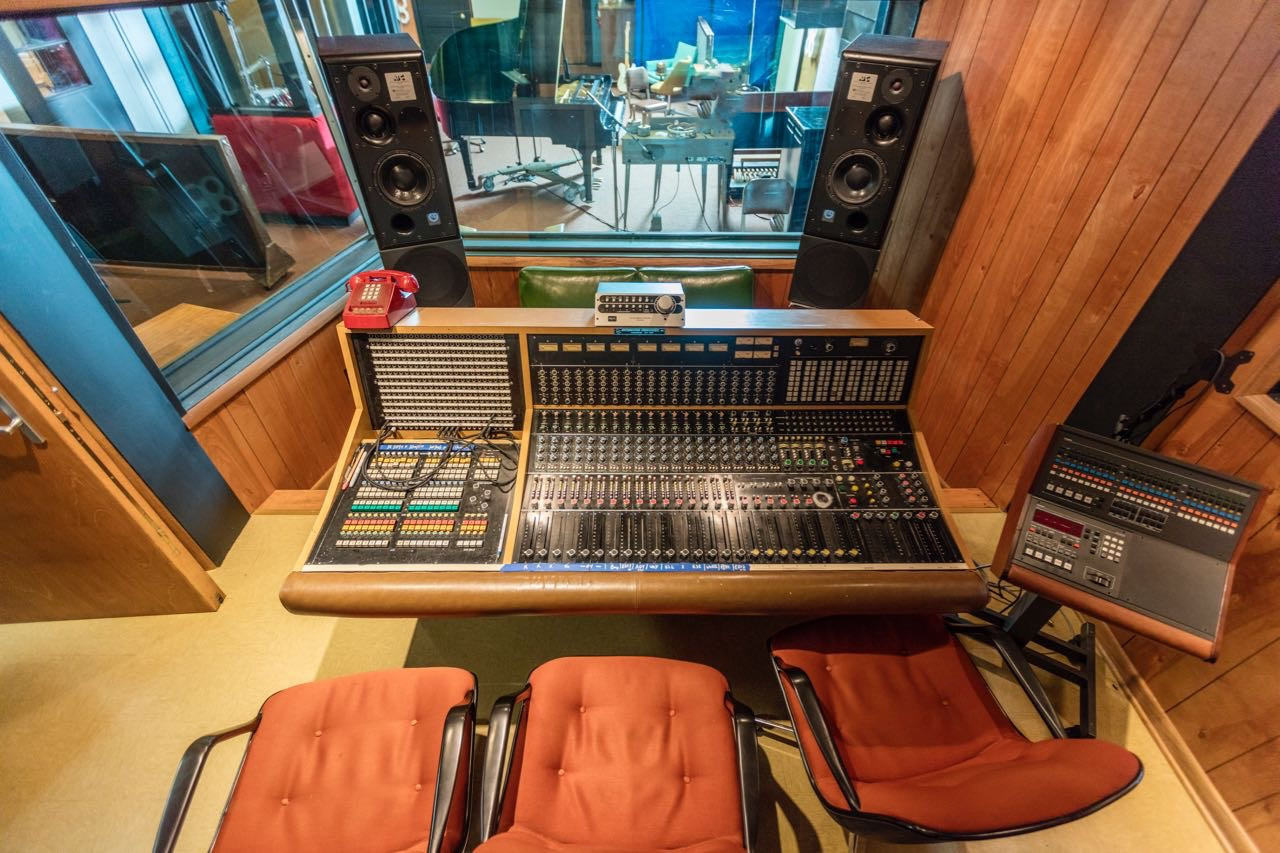 Recording console — original 3614 Jackson Highway
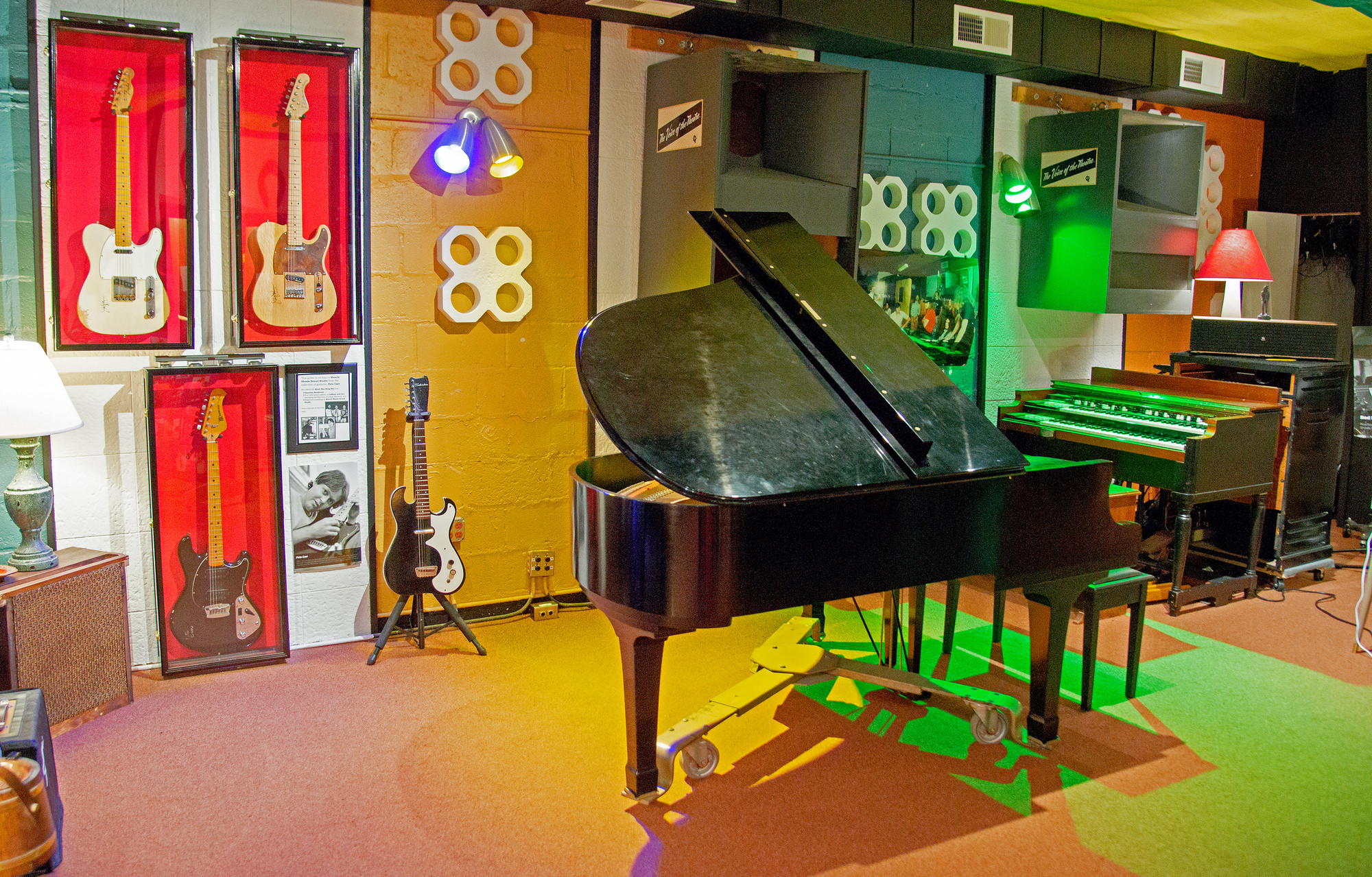 Main studio area, 2025
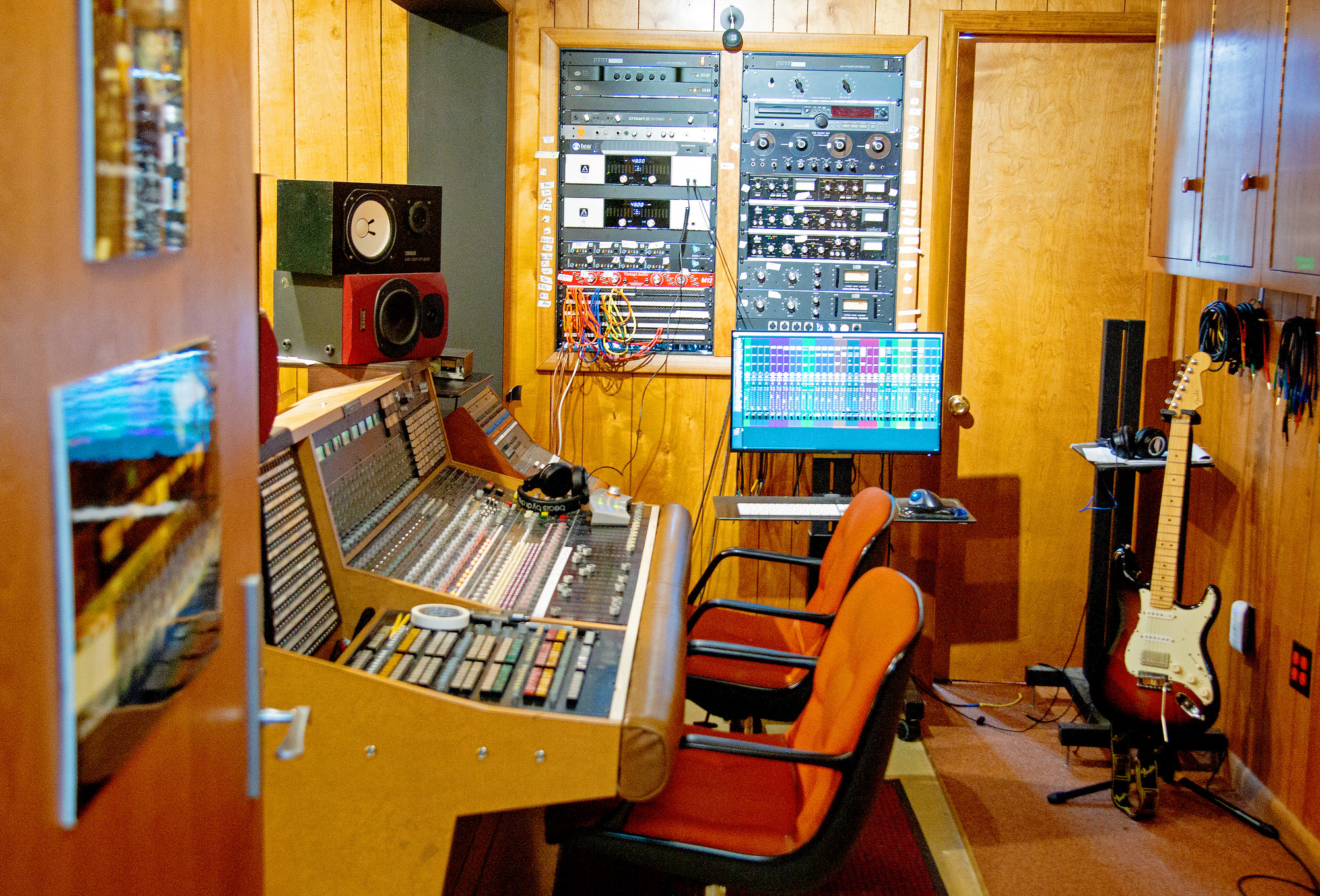 Recording booth interior, 2025
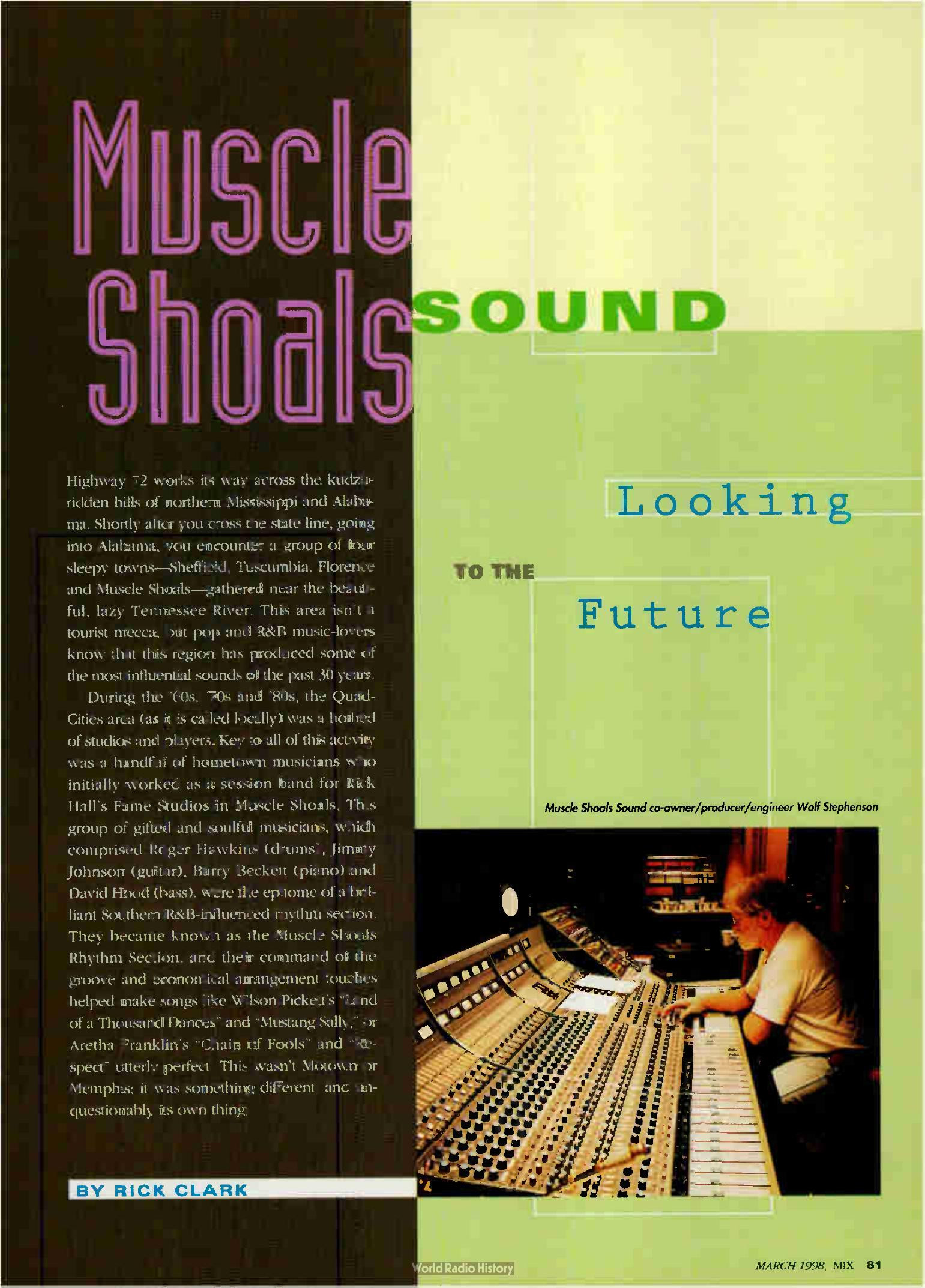
Muscle Shoals Sound Studio was founded in 1969 by the Swampers — the legendary session rhythm section of Barry Beckett, Roger Hawkins, David Hood, and Jimmy Johnson — after they left FAME Studios to establish their own facility at 3614 Jackson Highway in Sheffield, Alabama. It was an unlikely address for one of the most influential recording rooms in American music history. The four musicians were already famous in the industry long before they had their own building: they had played on Aretha Franklin's landmark Atlantic sessions, Wilson Pickett's 'Land of 1000 Dances', and Percy Sledge's 'When a Man Loves a Woman', recordings that had defined soul music for a generation.
The Rolling Stones arrived at 3614 Jackson Highway in December 1969, drawn by the reputation of the Swampers. They recorded 'Wild Horses' and 'Brown Sugar' during those sessions — two of the most important tracks of their Sticky Fingers era. Paul Simon recorded there. Cher, Bob Dylan, Rod Stewart, Traffic, and Lynyrd Skynyrd all made the pilgrimage to this small corner of northwest Alabama, drawn by the groove that the Swampers produced with almost supernatural consistency. The studio moved to a larger space at 1000 Alabama Avenue in 1978.
The 'Muscle Shoals sound' — a hybrid of gospel, soul, country, and blues played by white musicians with roots in all four traditions — was among the most distinctive regional sounds in American recording history. The 2013 documentary 'Muscle Shoals' (dir. Greg Camalier) brought the studio's story to a new audience, charting the improbable path from northwest Alabama to the centre of American popular music. The original 3614 Jackson Highway building is now operated as a museum.
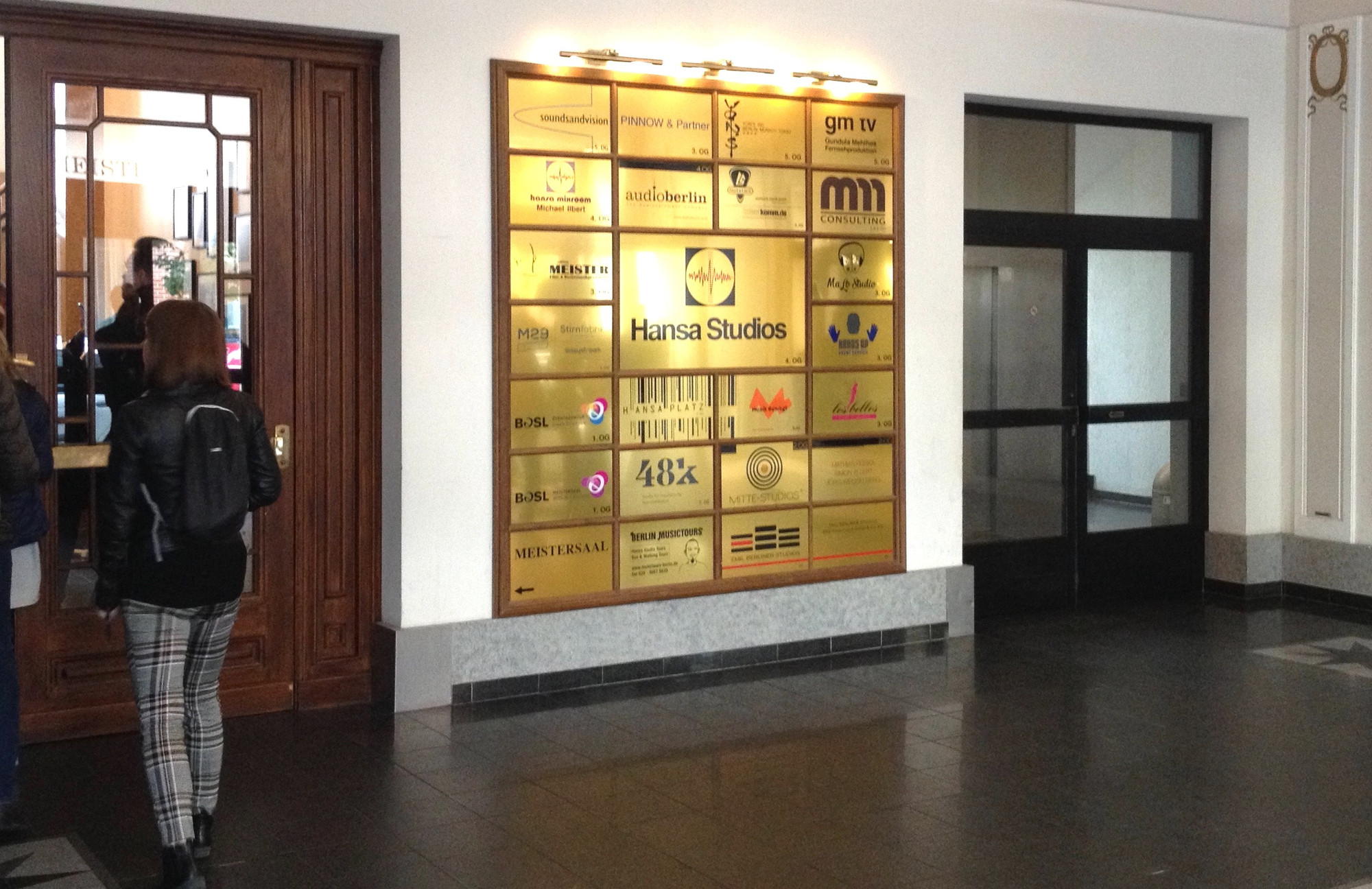 Hansa Studios entrance hall, Berlin, 2019
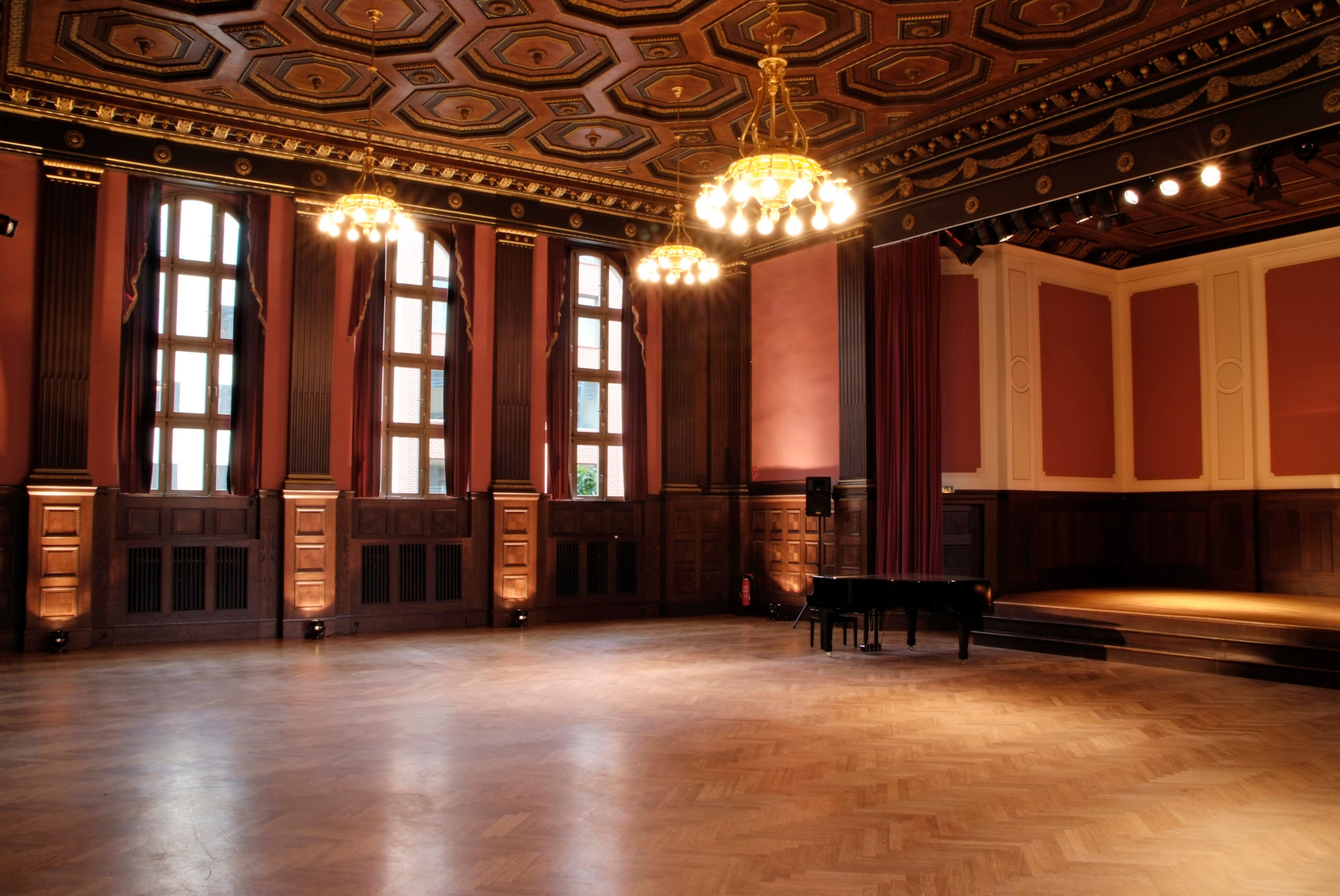 Meistersaal — the large orchestral recording room
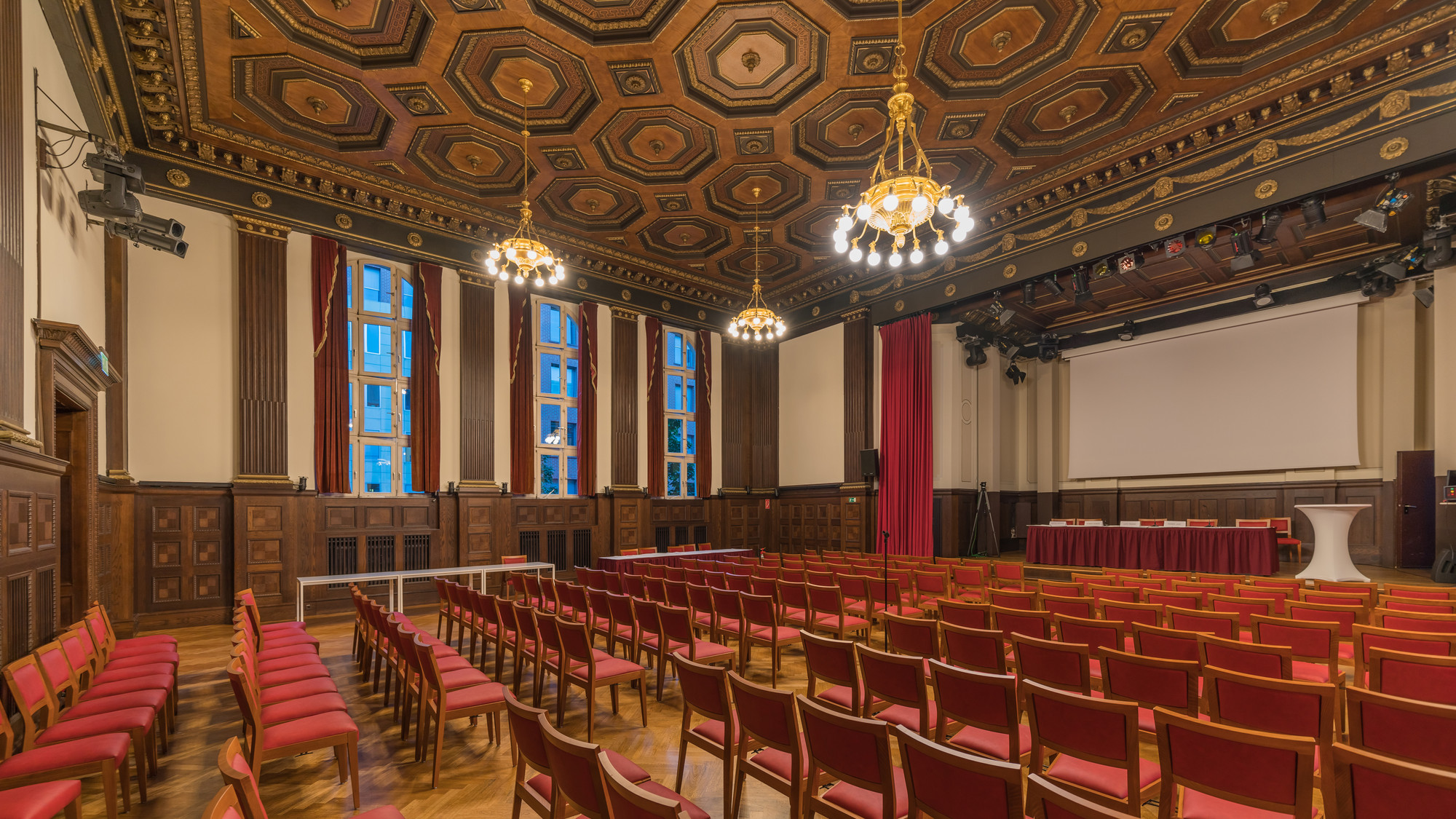 Meistersaal interior — Hansa Studio 2, 2018
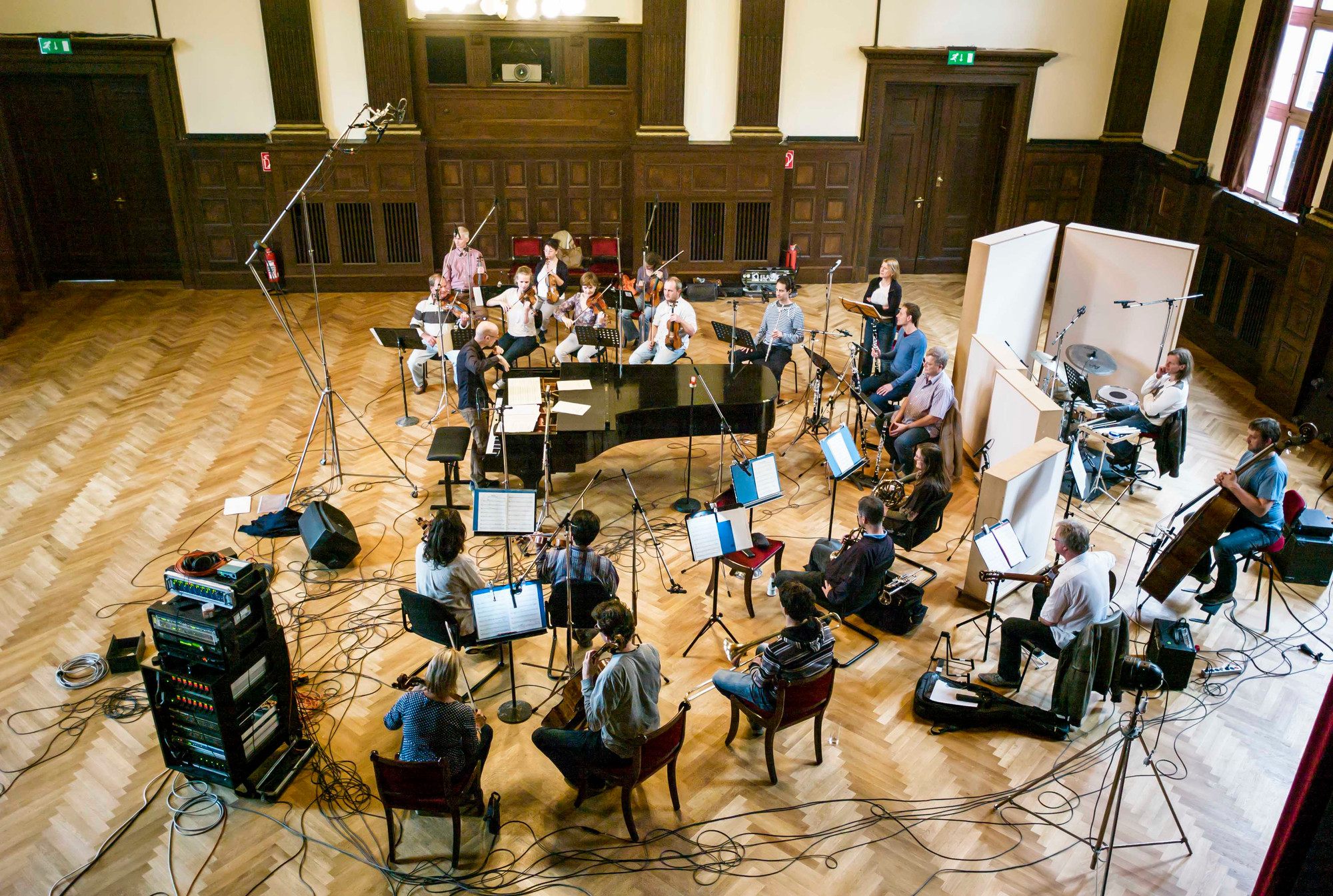 Orchestra recording session in the Meistersaal
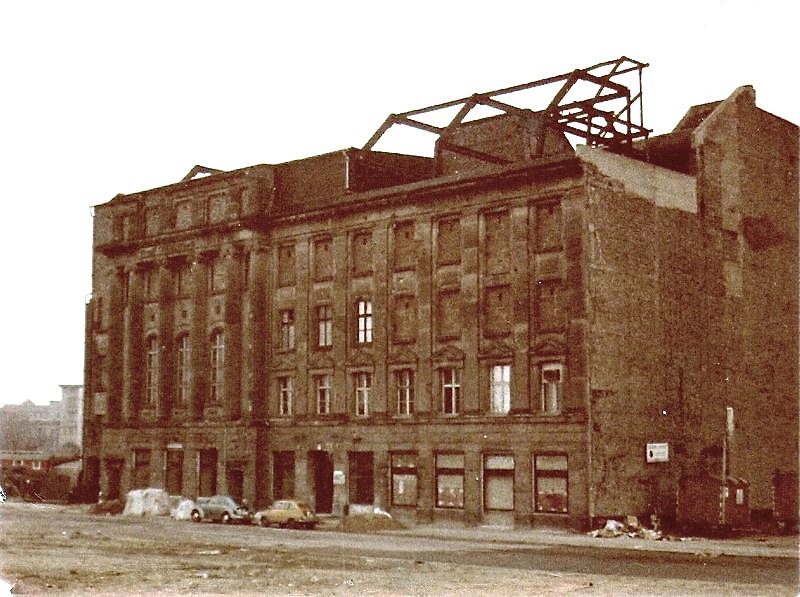 Meistersaal / Hansa Tonstudio interior, 1975
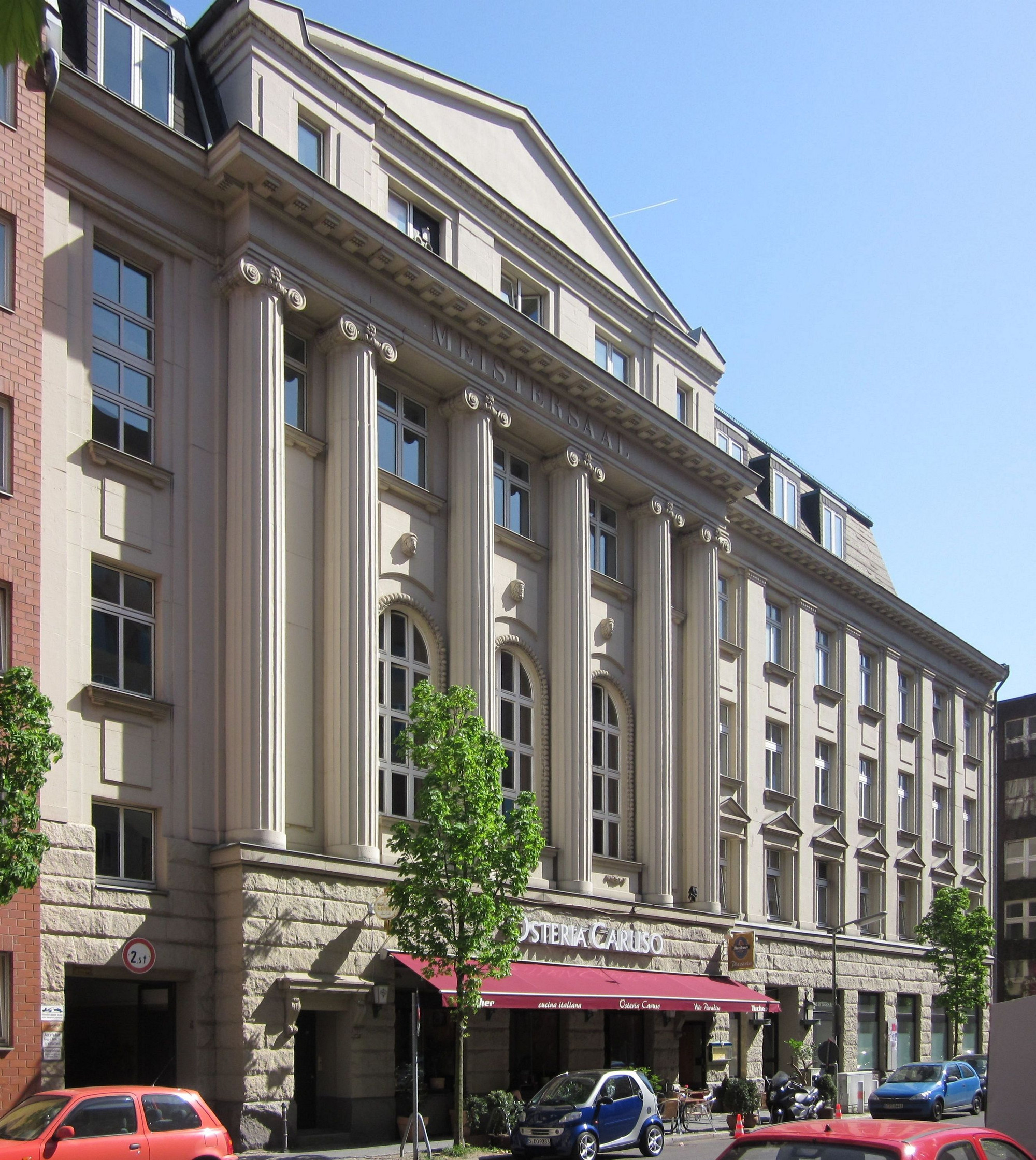 Meistersaal building exterior, Köthener Strasse 38
Hansa Tonstudio operates in a former ballroom — the Meistersaal — built in 1910 at Köthener Strasse 38 in Berlin's Kreuzberg district, once used as a ballroom for the Imperial Court. The recording studio that Reinhard Lakomy and others established in the building in 1962 occupied a room of extraordinary natural reverb: ceiling heights of over ten metres, parquet floors, and plaster walls that produced a reverberation time unlike any purpose-built studio. During the late 1970s it came to be known as 'Hansa by the Wall' — the Berlin Wall ran close enough that from the studio window you could see the watchtowers.
David Bowie arrived in Berlin in 1976, drawn by the city's creative anonymity and the proximity of Iggy Pop, with whom he was collaborating. Working with Brian Eno and producer Tony Visconti, Bowie recorded 'Heroes' at the Meistersaal in 1977 — the title track recorded with Bowie standing progressively farther from three microphones, each controlled by a noise gate set to a higher volume threshold, so that the distant room ambience only opened when he sang at full intensity. Robert Fripp recorded his guitar parts over three days, improvising without prior knowledge of the chord sequences, melodies, or lyrics — playing to a track he was hearing for the first time. Iggy Pop was recording 'The Idiot' and 'Lust for Life' at the same time in adjacent sessions — the two albums were produced simultaneously by the same creative team.
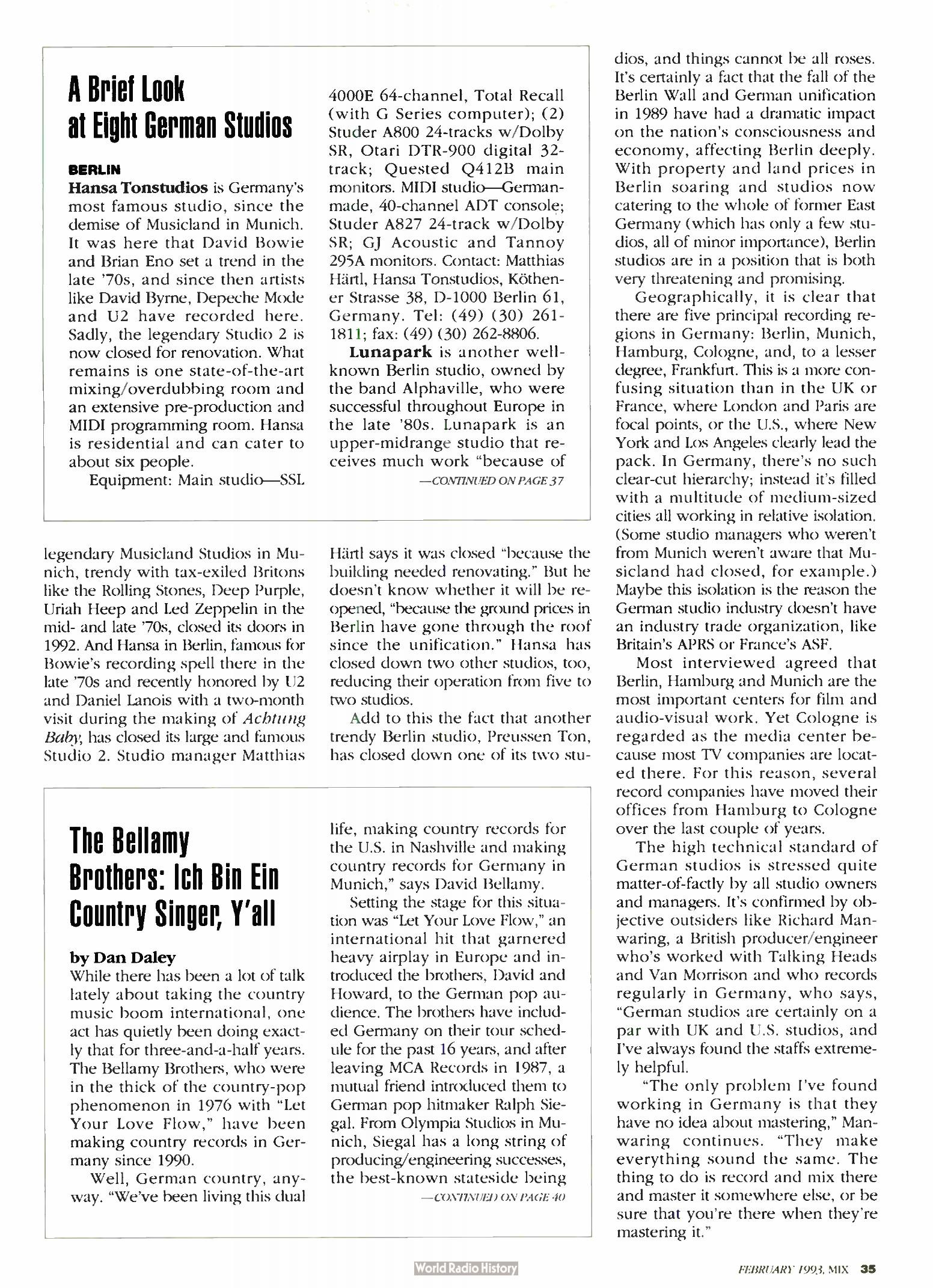
U2 arrived at Hansa in October 1990, knowing the studio's history. The Berlin Wall had fallen the previous November; the city was transformed. Recording 'Achtung Baby' there was a deliberate act of creative reinvention — the band dismantling their previous sound in the same room where Bowie had made his. Depeche Mode, Nick Cave and the Bad Seeds, and R.E.M. have all recorded at Hansa. The Meistersaal was listed as a heritage site; the studio continues to operate in the building.
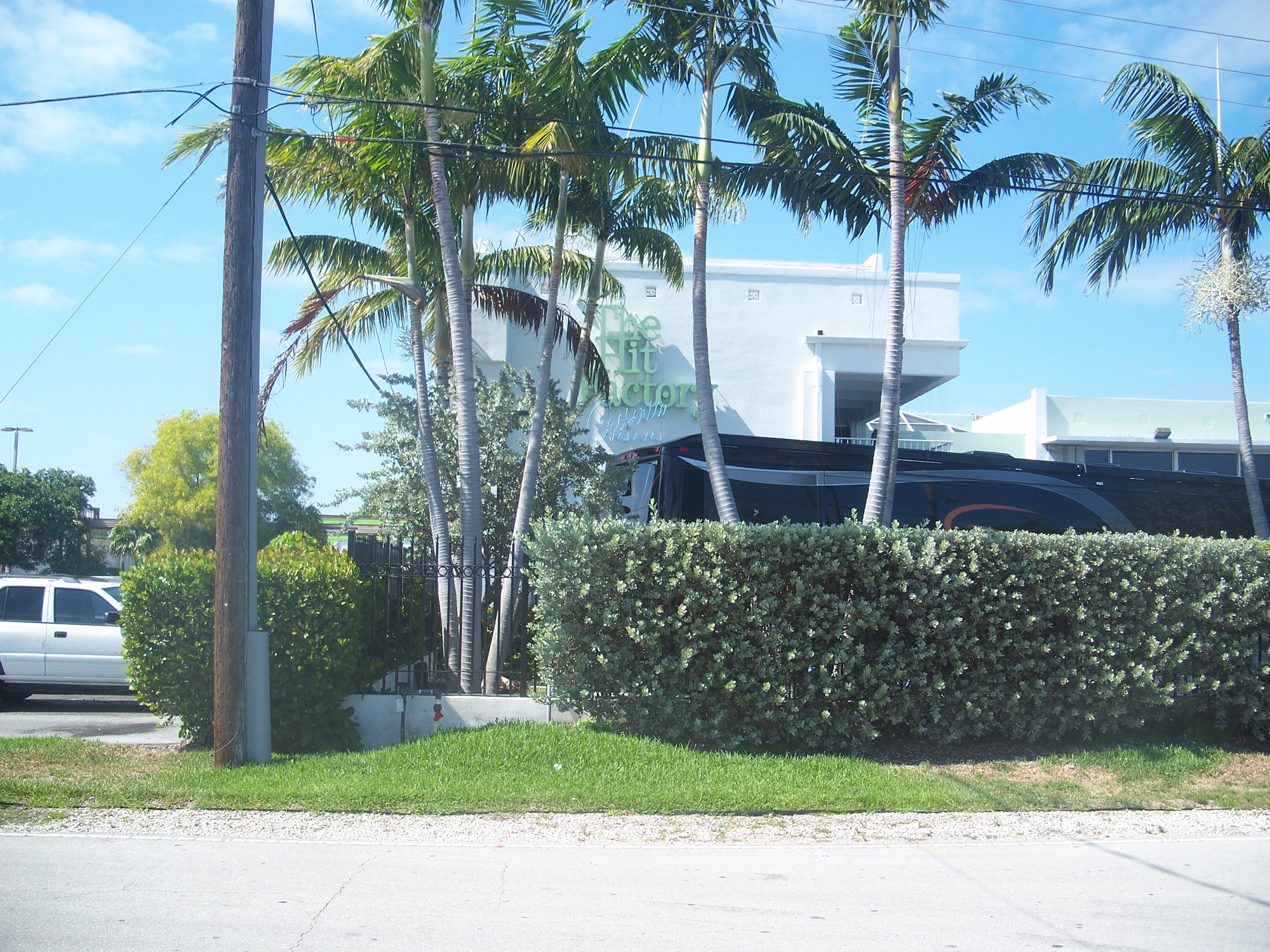 Criteria Recording Studios — entrance signage, Miami
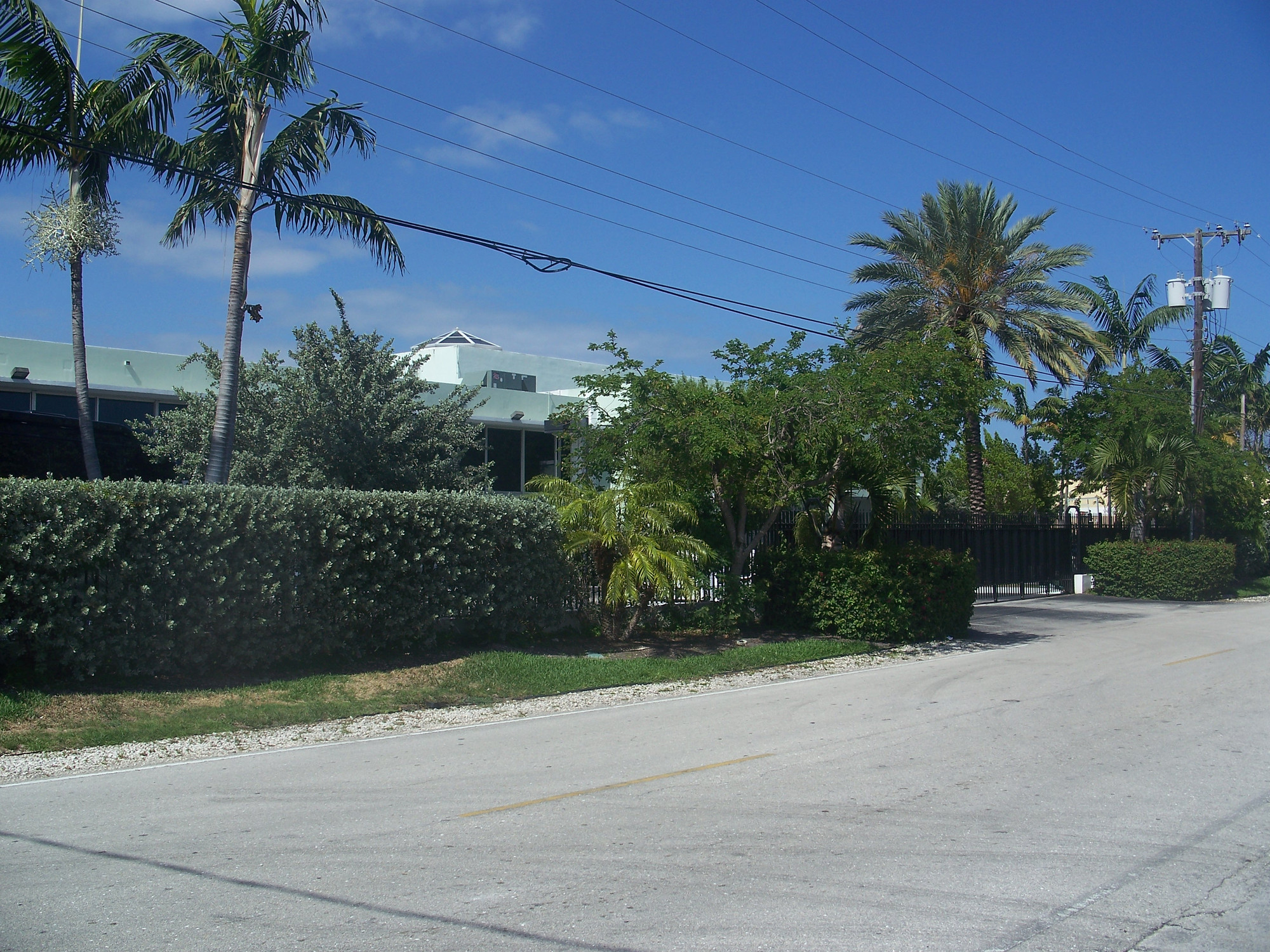 Criteria Recording Studios — building view
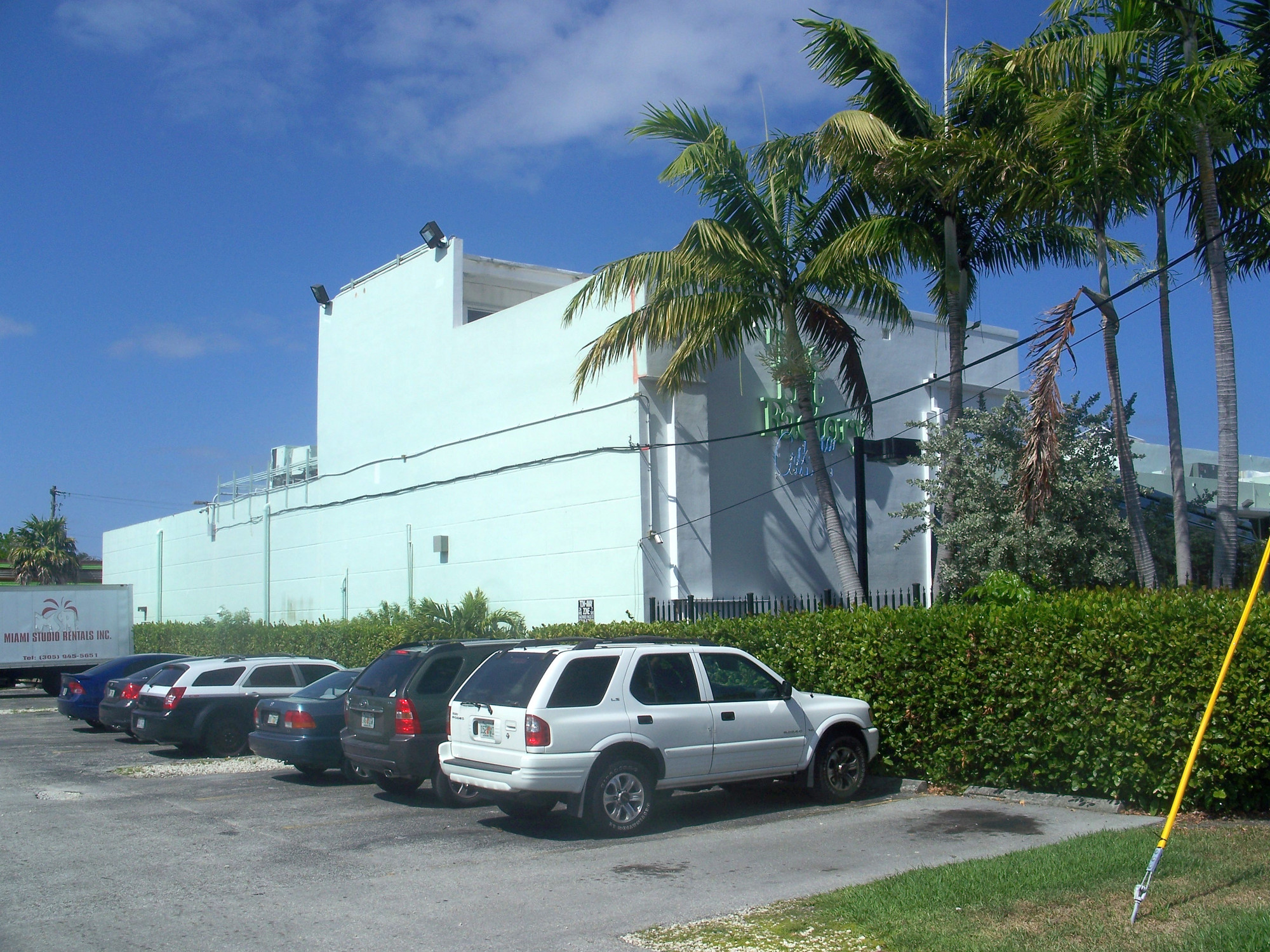 Criteria Recording Studios — exterior
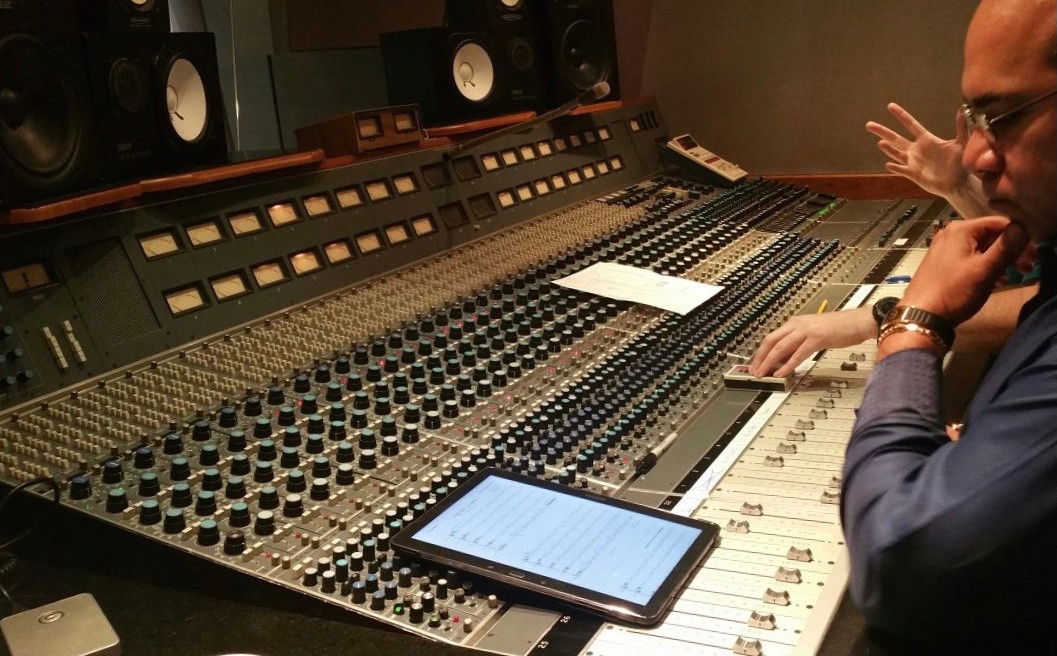 Recording session inside (operating as Hit Factory Criteria, 2015)
🇺🇸 Criteria Recording Studios
Miami, Florida, USA · est. 1958
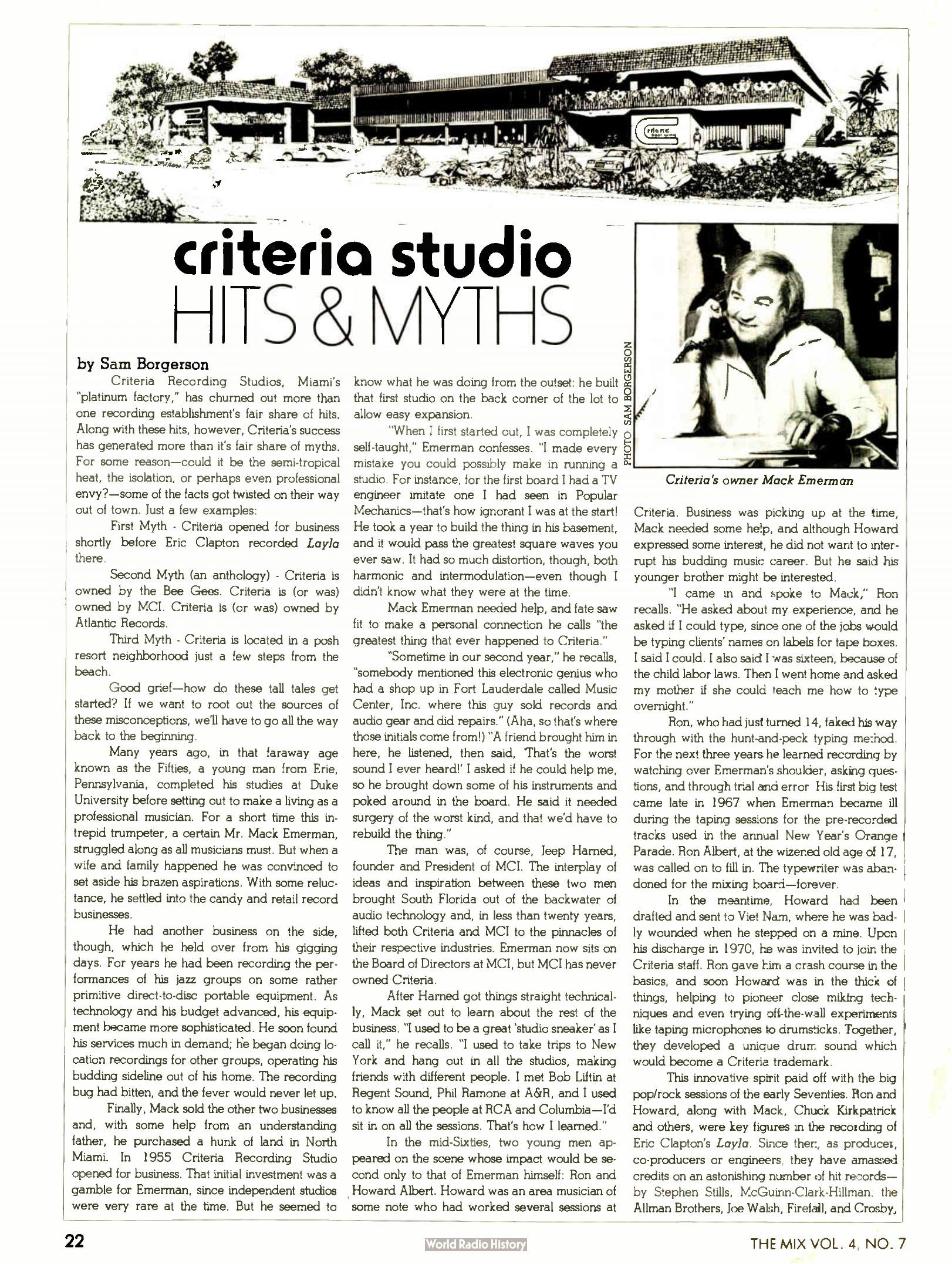
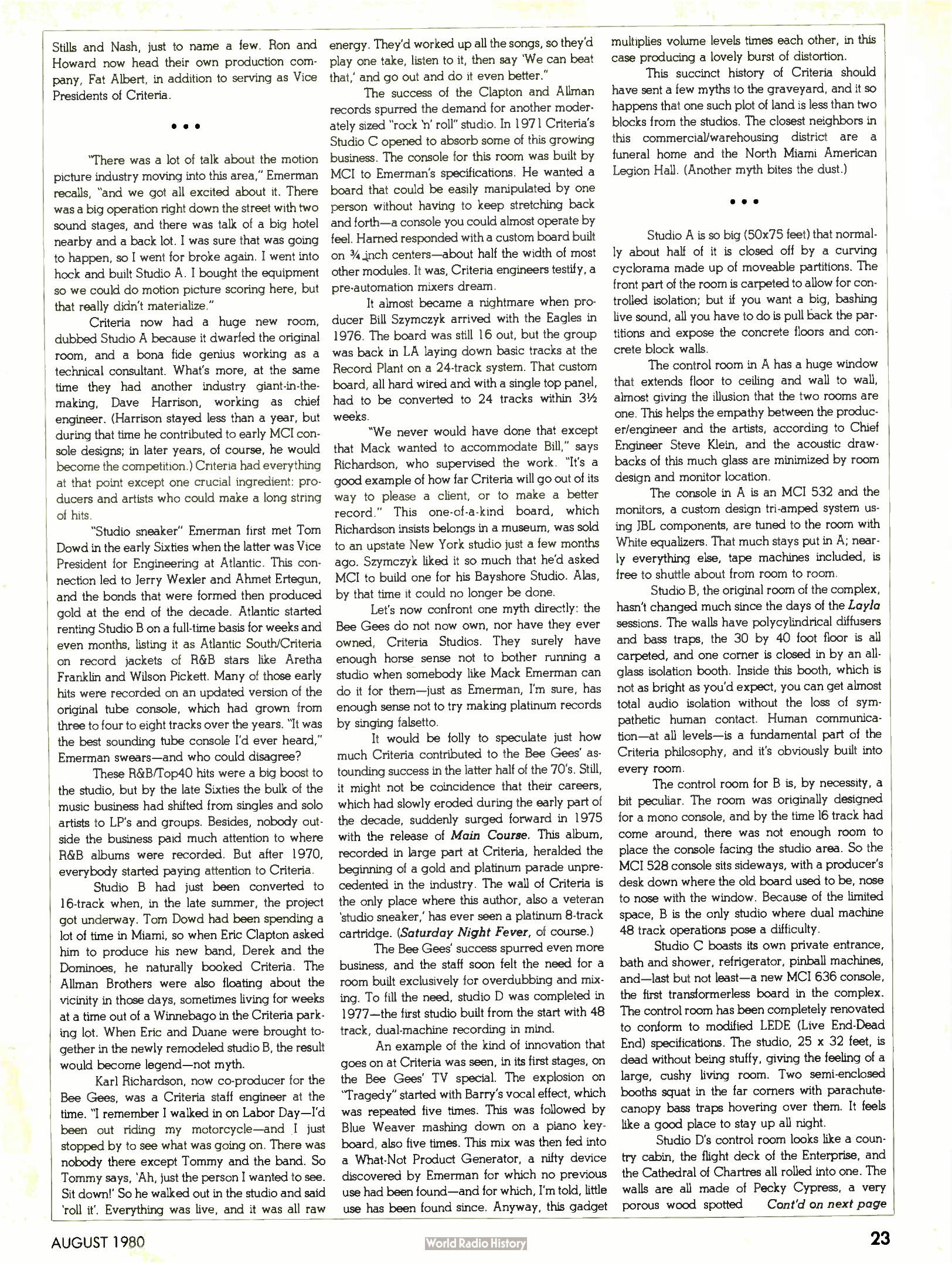
Criteria Recording Studios was built in 1958 by Mack Emerman at 1755 NE 149th Street in North Miami. Emerman was a visionary whose instinct for technical quality gave Criteria an edge over its competitors from the start: he invested in the best available tape machines and consoles, maintained them to a standard that few independent studios matched, and built a facility that attracted talent through sheer operational reliability as much as creative atmosphere.
Derek and the Dominos — Eric Clapton, Duane Allman, Bobby Whitlock, Carl Radle, and Jim Gordon — recorded 'Layla and Other Assorted Love Songs' at Criteria in 1970. The album was engineered by Tom Dowd, who had been recording at Criteria since its earliest years. Clapton returned for his first-post Dominos solo record, '461 Ocean Boulevard' (1974), named after the address of the house he rented nearby during those sessions — a house he described as the most pleasant recording environment he had ever worked in.
The Bee Gees, working with producers Karl Richardson and Albhy Galuten, recorded their late-1970s run of disco records at Criteria: the 'Saturday Night Fever' soundtrack (1977) and 'Spirits Having Flown' (1979) were both made there. The studio's warm, bright acoustic character — produced by Miami's humidity and the building's high ceilings — sounded different from the darker rooms of New York and London: a little more air, a little more shimmer on the top end. Eagles and Fleetwood Mac both recorded there. The building continued as Hit Factory Criteria until eventually closing in 2016.
.jpg)
🇧🇸 Compass Point Studios
Nassau, Bahamas · est. 1977
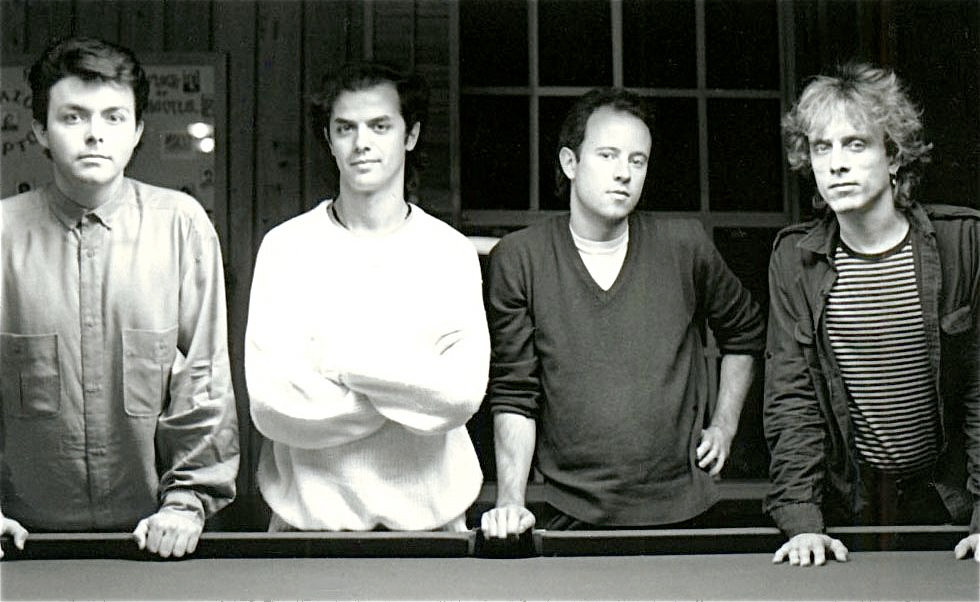
Chris Blackwell — founder of Island Records and the man who had brought Bob Marley to an international audience — built Compass Point Studios on the western shore of New Providence Island in Nassau in 1977. The studio's location was an act of deliberate creative strategy: far enough from London and New York to feel genuinely removed from the industry machinery, but tropical and comfortable enough to keep artists there for weeks at a time. Blackwell understood that creative isolation, combined with high-quality equipment, could produce records that sounded like nowhere else.
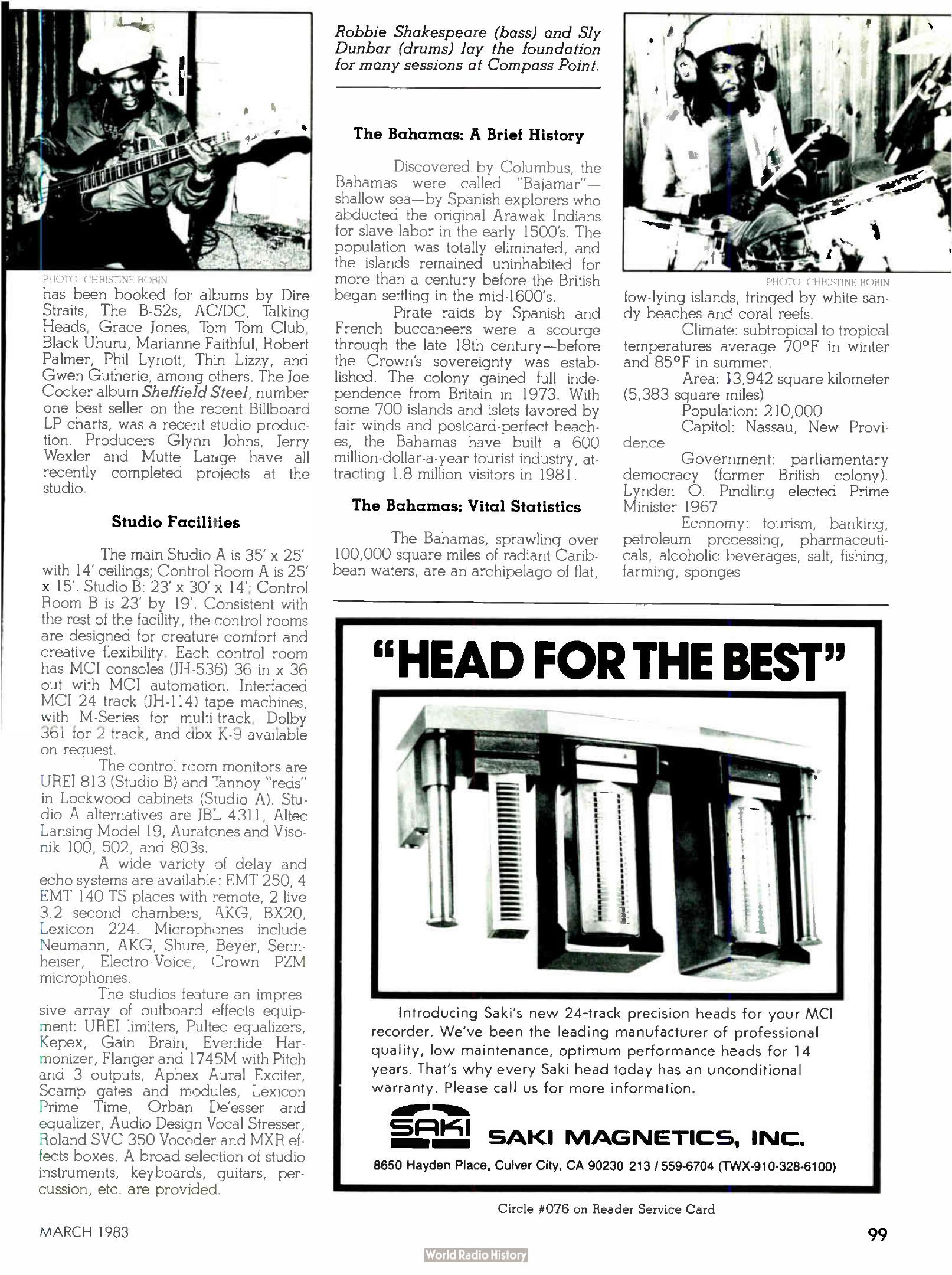
AC/DC recorded 'Back in Black' at Compass Point in the spring of 1980 — the band's first album with new vocalist Brian Johnson, recorded as a tribute to Bon Scott, who had died in February. Producer Mutt Lange and engineer Tony Platt captured the drums of Simon Wright in the studio's main room with a sound that became one of the most imitated drum sounds in rock history. The album became one of the best-selling records in history. Robert Palmer, Grace Jones, the Tom Tom Club (Tina Weymouth and Chris Frantz of Talking Heads), and the B-52s all used Compass Point in the early 1980s, often with the Compass Point All Stars — a studio band built around Sly Dunbar and Robbie Shakespeare — producing records that fused reggae rhythms with new wave production.
The studio's remoteness was also its creative engine: artists who came to Nassau were committed to being there, away from distractions. Compass Point closed as a commercial facility in the 1990s. The building still stands; Blackwell's broader Island Outpost hotel network grew from the same philosophy — the idea that creative work happens best in environments of cultivated beauty.
🇺🇸 Sound City Studios
Van Nuys, Los Angeles, USA · est. 1969
Sound City Studios opened in a nondescript industrial building on Cabrito Road in Van Nuys, Los Angeles in 1969, and for four decades it was one of the worst-kept secrets in the recording industry: a room with an almost supernatural ability to capture a live band sound. The centrepiece was a Neve 8028 console — hand-wired at Neve's facility in Melton Mowbray, England, and installed in a building that gave its warm harmonic character the room it needed to bloom. Engineers described the combination of that specific console in that specific room as a convergence that couldn't be engineered or replicated.
Fleetwood Mac recorded their self-titled 1975 album at Sound City — the breakthrough record that relaunched the band and introduced Lindsey Buckingham and Stevie Nicks to Mick Fleetwood and John McVie. Tom Petty, Neil Young, and Rick Springfield all made defining records there. Nirvana recorded 'Nevermind' at Sound City in 1991, with producer Butch Vig capturing the drum sound of Dave Grohl in the main tracking room — a drum sound that has been analysed, dissected, and imitated ever since, yet remains uniquely the product of that room and that console.
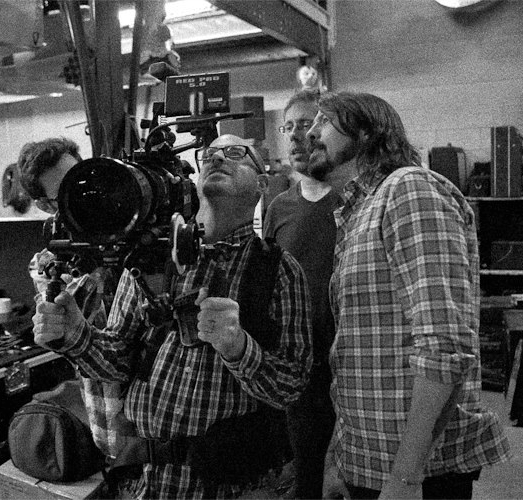
When Sound City closed in 2011, Dave Grohl purchased the Neve 8028 console and built a studio around it at his home facility, Studio 606. He made the 2013 documentary 'Sound City' — a film not just about the studio but about what analogue recording culture meant and why its loss was mourned. The documentary brought together artists including Tom Petty, Stevie Nicks, Neil Young, Trent Reznor, and Paul McCartney to perform on the old Neve, producing a companion record in the same spirit.
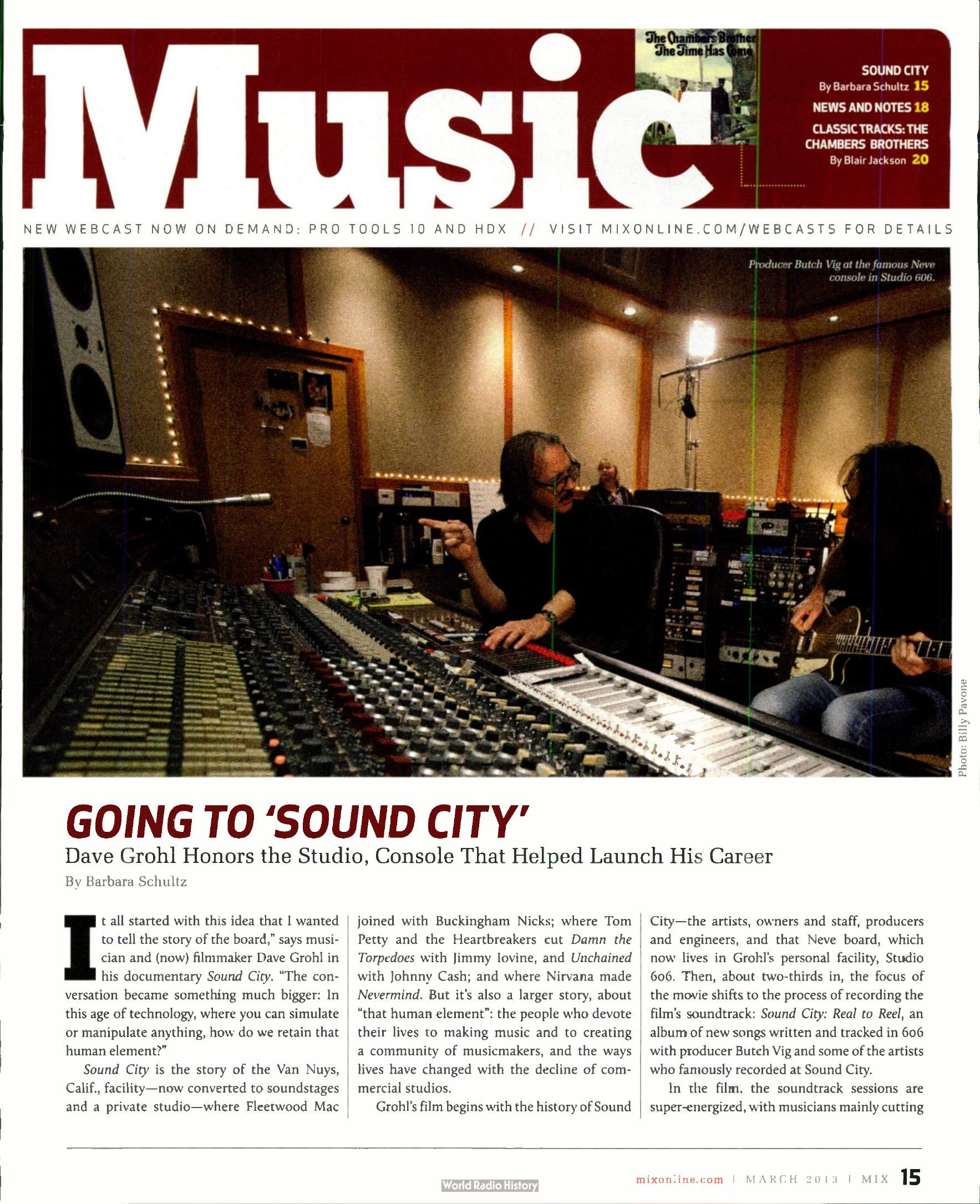
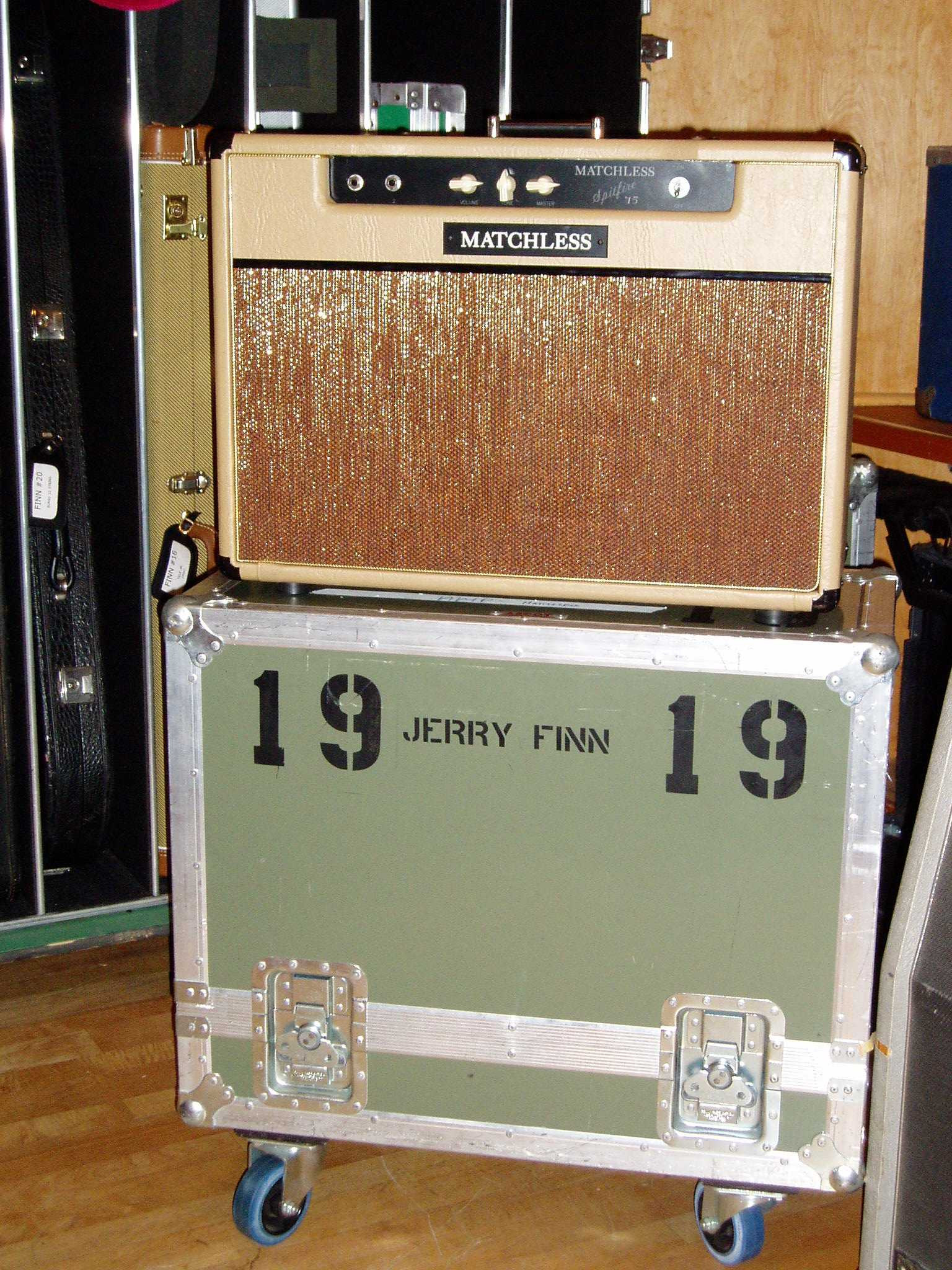 Studio gear inside Conway Recording Studios — engineer Jerry Finn session, 2003
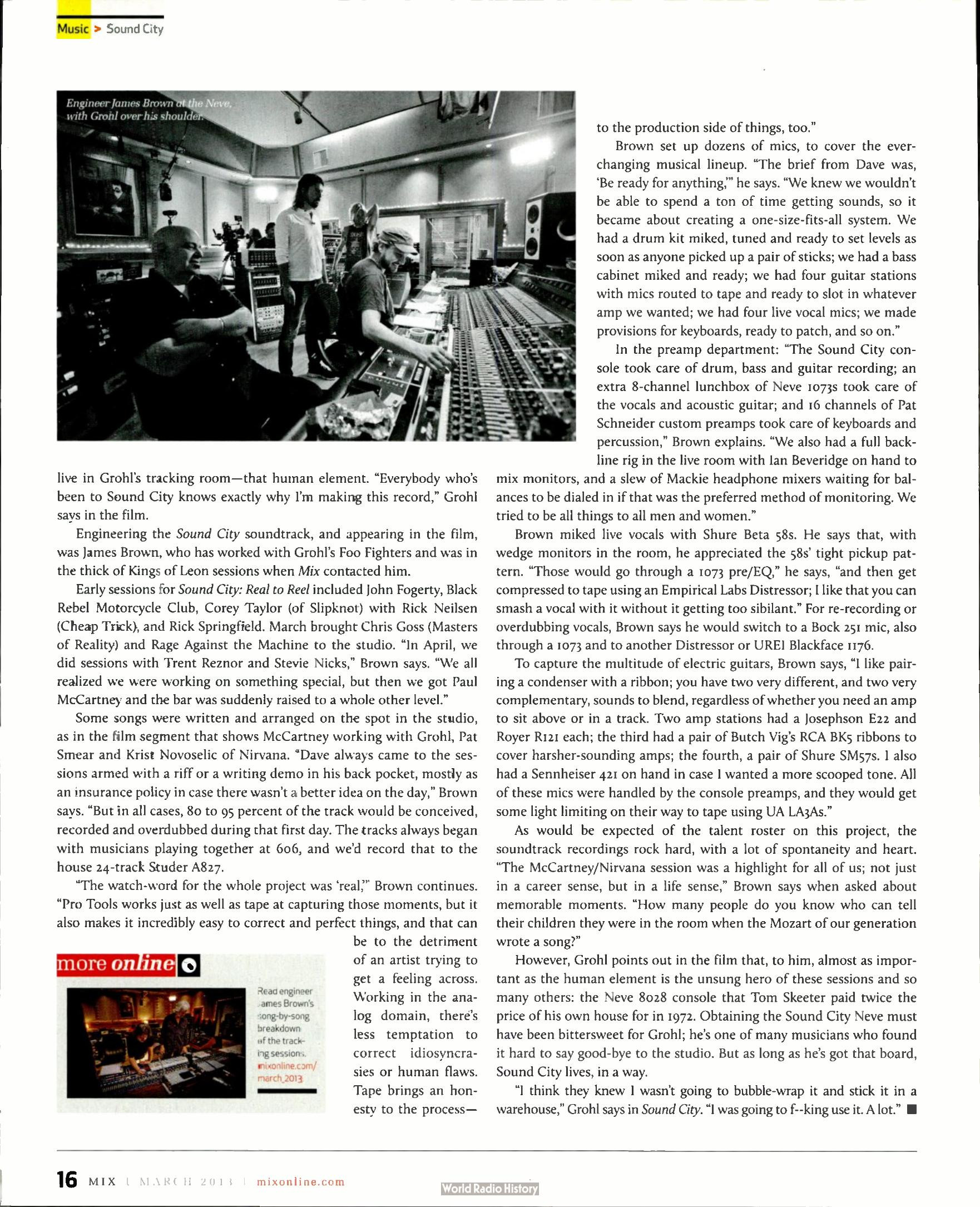
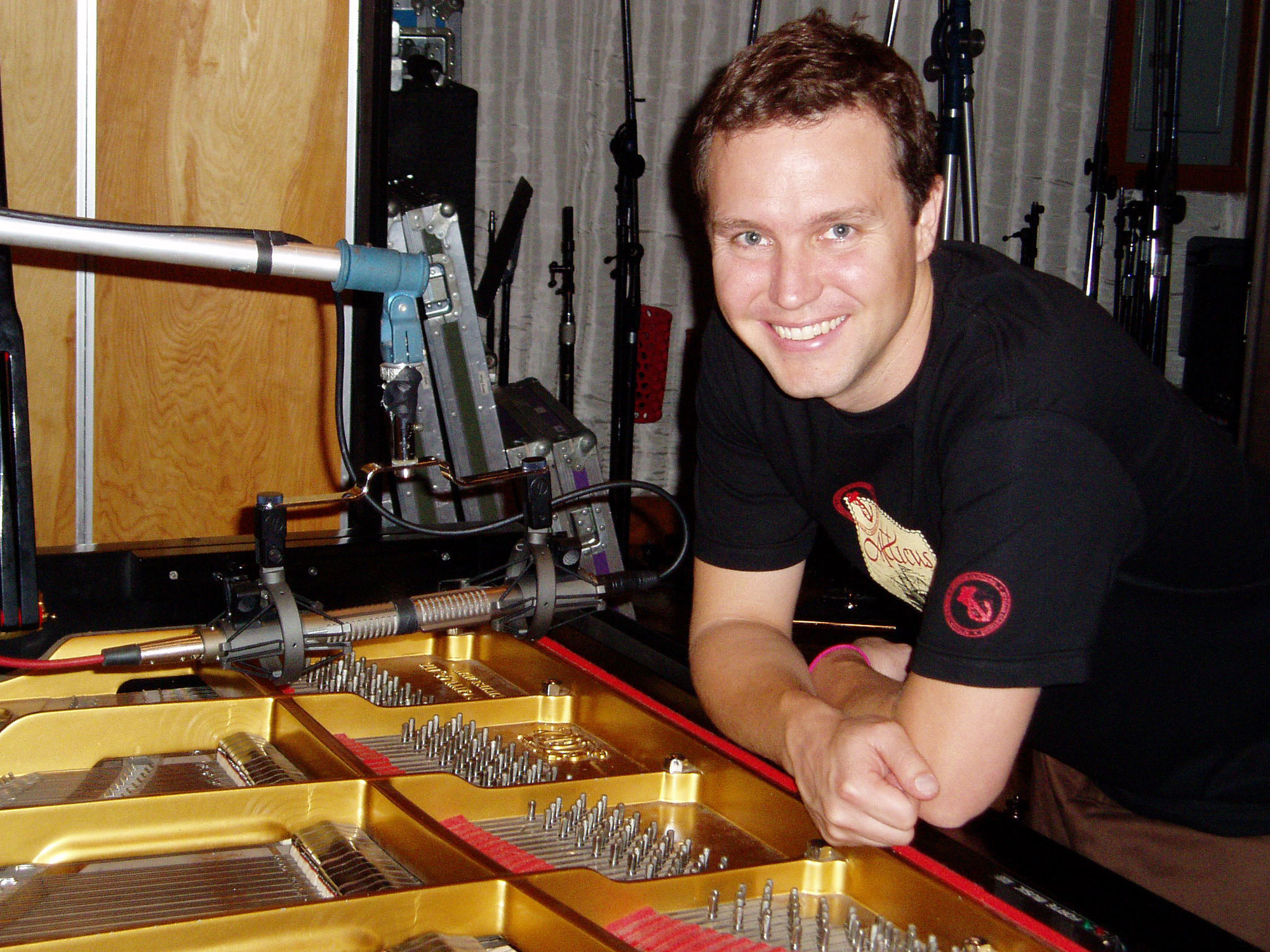 Mark Hoppus (Blink-182) at the grand piano inside Conway Recording Studios, 2003
Conway Recording Studios was established in 1972 and grew into a campus of five separate studios on Santa Monica Boulevard in Hollywood — one of the few facilities in Los Angeles large enough to run simultaneous sessions in rooms with fundamentally different acoustic and console characters. Its longevity in an industry that regularly retires studios speaks to both its technical standard and its location: central Hollywood, within reach of every major label and recording community in the city.
Conway's most distinctive asset is one of the original Rupert Neve–designed Focusrite studio consoles — fewer than ten were ever built. These instruments are among the rarest large-format consoles in existence; the Neve/Focusrite lineage here sits alongside SSL 9000 J and API Vision rooms, giving the facility a range of console colours that few studios anywhere can match. The outboard collection accumulated over decades reflects decades of careful acquisition.
Kendrick Lamar recorded 'To Pimp a Butterfly' (2015) and 'DAMN.' (2017) at Conway, with producer Sounwave and engineer Derek 'MixedByAli' Ali. The facility became one of the centres of West Coast hip-hop production from Dr. Dre and Snoop Dogg's early work in the 1990s through to contemporary sessions. Beyoncé, Jay-Z, Mariah Carey, and Taylor Swift have all recorded there alongside the film scoring work that fills the large-room sessions.
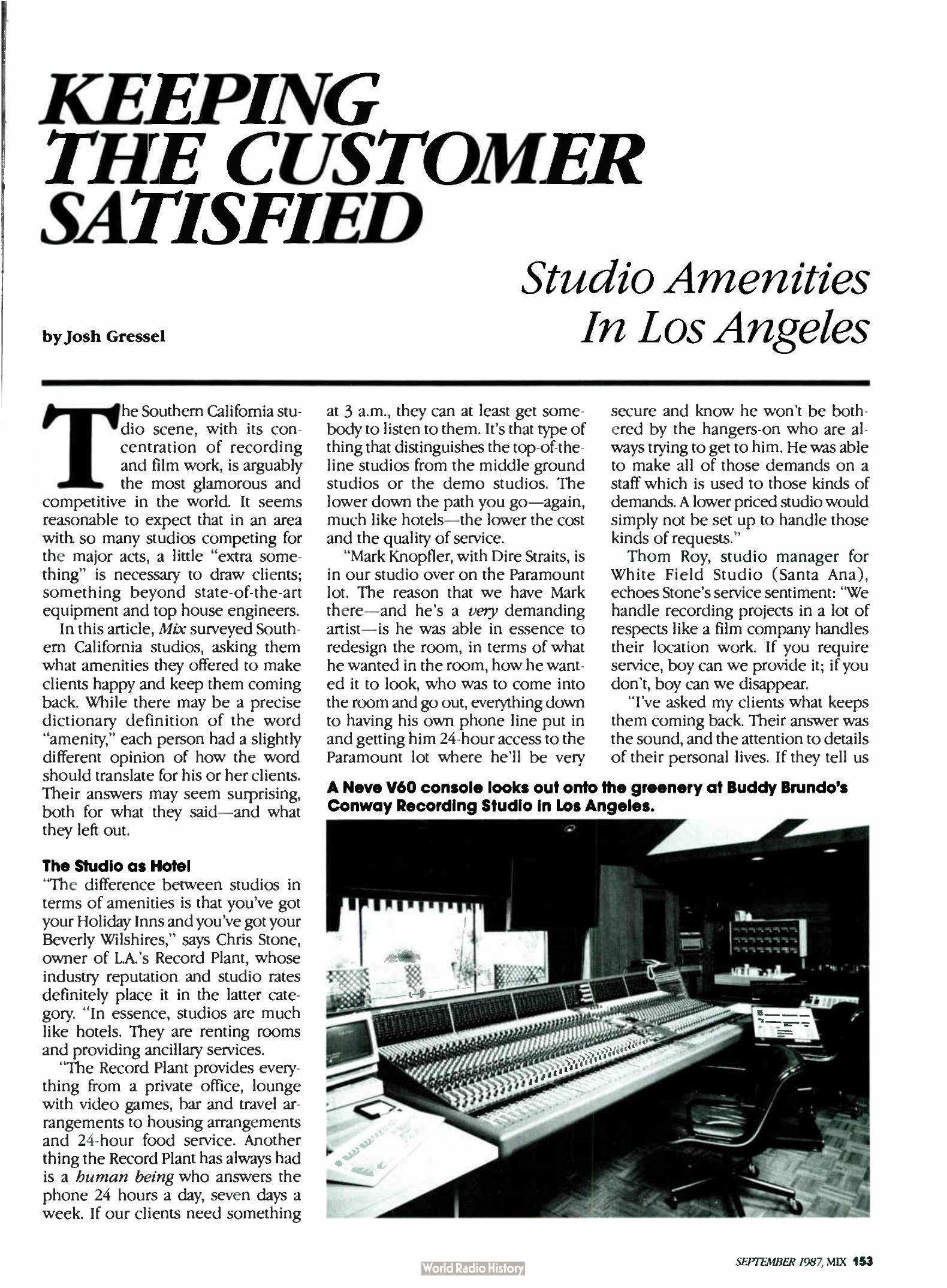
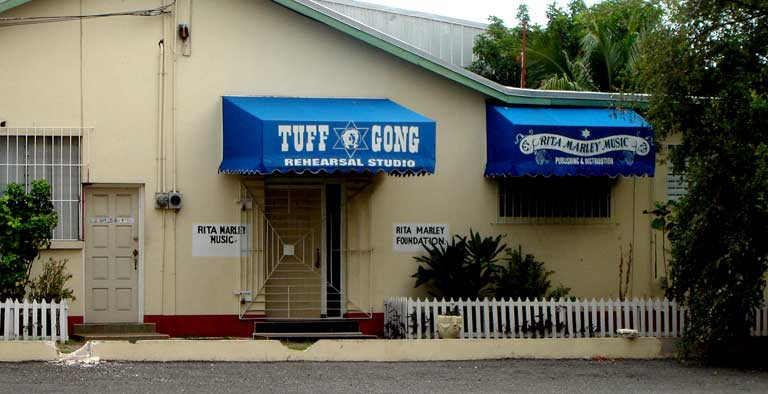
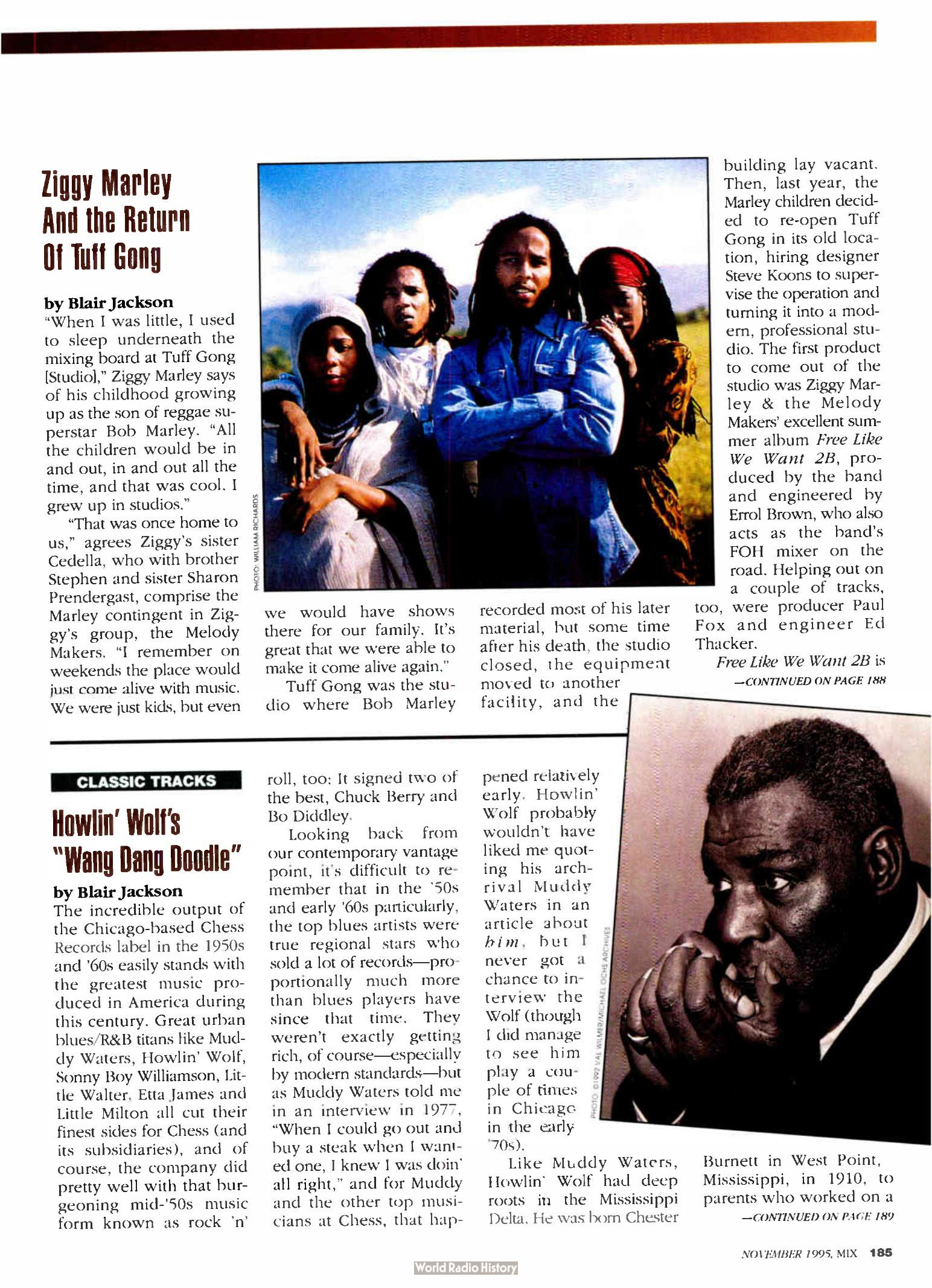
🇯🇲 Tuff Gong Recording Studio
220 Marcus Garvey Drive, Kingston, Jamaica · est. 1965
Tuff Gong began as a record label Bob Marley founded in 1965, taking the name from his street nickname in Trench Town. In the early 1970s, as Marley's international profile grew through his relationship with Chris Blackwell and Island Records, he channelled proceeds into building a fully equipped recording studio at 220 Marcus Garvey Drive in Kingston — a facility that would give the Wailers complete control over their music, from performance to pressing to distribution. The integrated complex — studio, pressing plant, and distribution under one roof — was unusual for an artist of any era, and extraordinary in Jamaica.
Marley used Tuff Gong for the recordings of his final years, including sessions for 'Survival' (1979) and 'Uprising' (1980). His death from cancer in May 1981 — at age 36 — ended one of the most consequential careers in popular music. The studio continued under the stewardship of his widow, Rita Marley, and subsequently his sons Ziggy, Stephen, and Damian Marley, who used the facility for their own recordings. Burning Spear, Bunny Wailer, and other Jamaican artists of successive generations recorded there.
The Tuff Gong studio sound was shaped by Kingston's ambient noise floor, the heat that caused tape machines to run with subtly different friction, and the particular rhythmic approach that Carlton Barrett brought to the drum chair — a one-drop style so specific and authoritative that it defined reggae drumming for a generation. The facility remains family-run and operational.
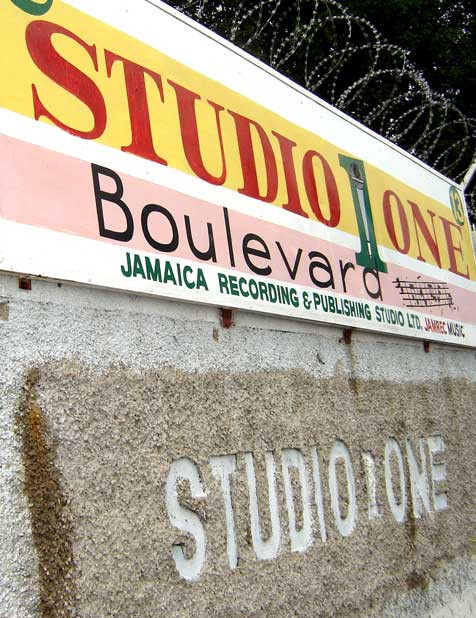
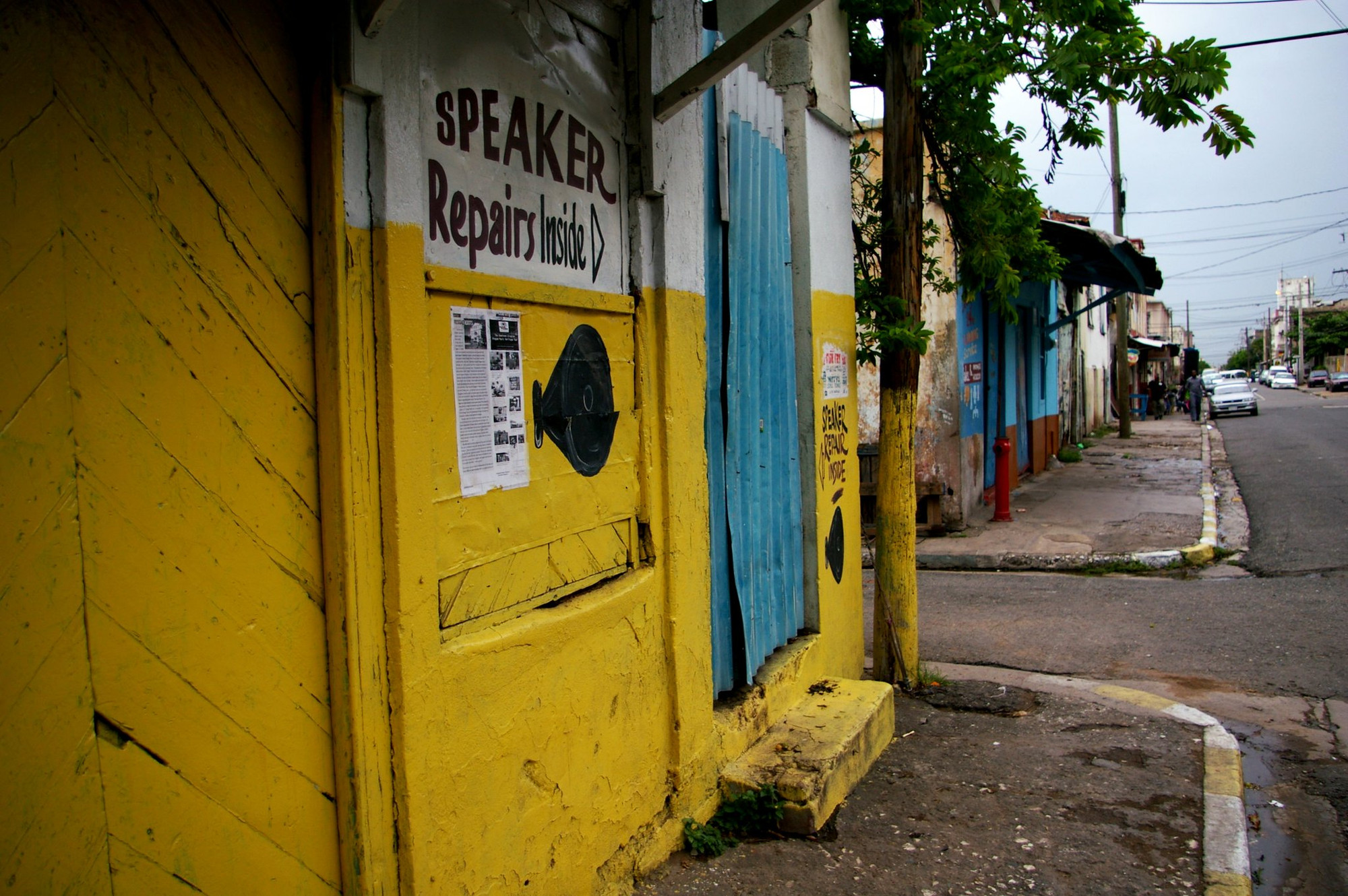
🇯🇲 Studio One (Brentford Road)
13 Brentford Road, Kingston, Jamaica · est. 1963
Clement Seymour Dodd — known throughout Jamaica as Coxsone — founded the Jamaican Recording and Publishing Studio at 13 Brentford Road in West Kingston in 1963, building on the success of his Sir Coxsone's Downbeat sound system. The address became the most important in Jamaican music history: a small room, a single-track mono recording setup, and an operator with one of the most remarkable ears in the history of popular music. Studio One's limitations were its creative engine — musicians had to arrange concisely, drummers had to lock the groove with absolute economy, and the mix had to work in mono on small speakers before it worked anywhere.
The Wailers — Bob Marley, Peter Tosh, and Bunny Wailer — were discovered and developed at Studio One, recording their first single 'Simmer Down' there in 1963. Toots and the Maytals, Burning Spear, Alton Ellis, Delroy Wilson, Horace Andy, and the Skatalites all recorded their most important early work in this room. Jackie Mittoo, the keyboard player and musical director who essentially served as Coxsone's house arranger, developed the rhythmic frameworks at Studio One that became the structural foundation of rocksteady and then reggae. The studio's house band — assembled from the best musicians available in Jamaica — recorded continuously, producing rhythm tracks that vocalists would record over weeks or months later.
The ska, rocksteady, and early reggae movements were all born at Brentford Road. The rhythmic innovations developed in this single room in West Kingston spread through Jamaican music for generations and influenced British post-punk, American hip-hop, and electronic music worldwide. Studio One's catalogue — owned by the Dodd family and the subject of ongoing archival reissue by Soul Jazz Records — represents one of the most significant bodies of recorded music of the twentieth century. The building still stands; Coxsone Dodd died in 2004.
🇺🇸 Universal Recording Corporation
Chicago, Illinois, USA · est. 1947
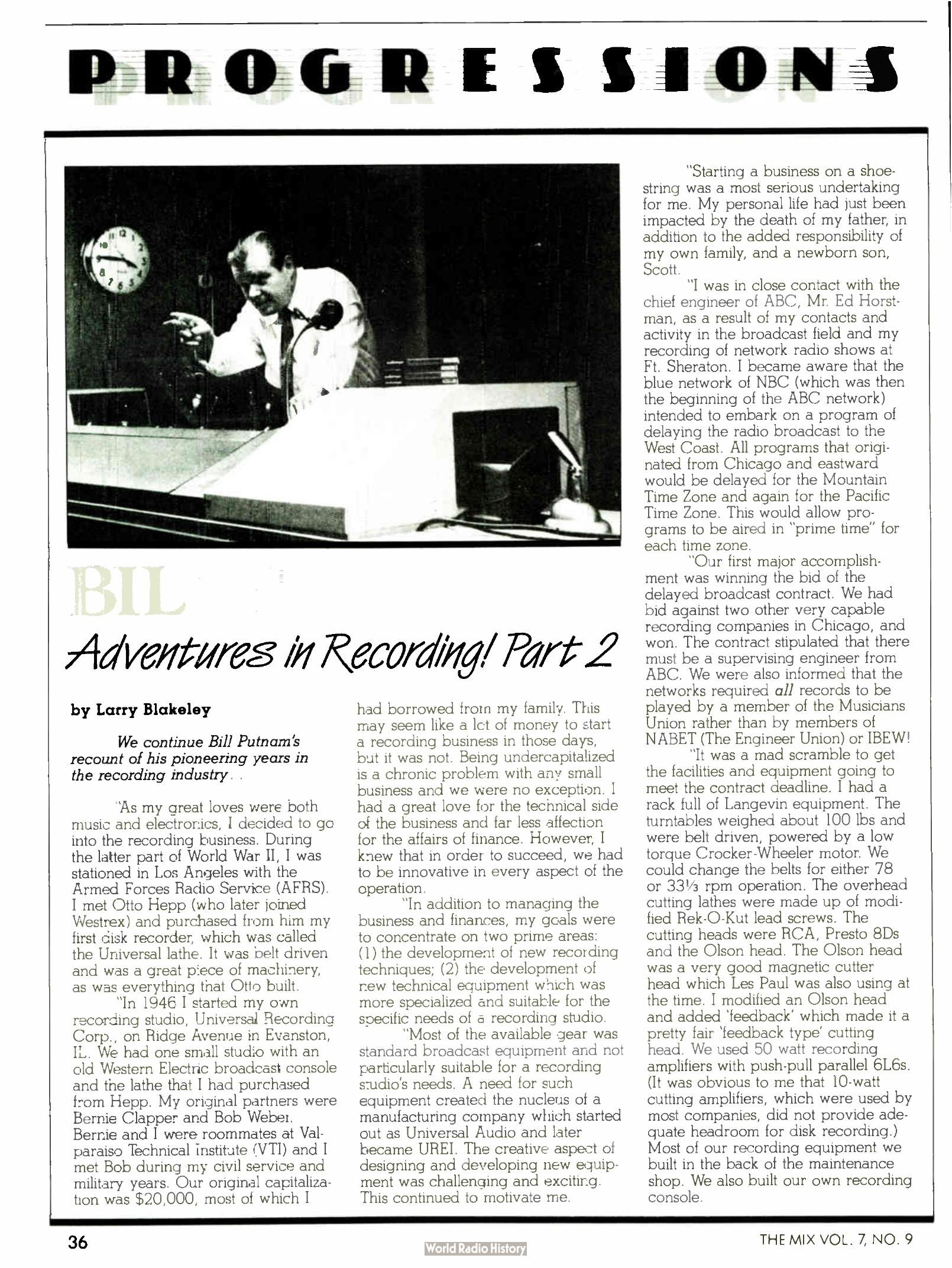
Bill Putnam founded Universal Recording Corporation in Evanston, Illinois in 1946, relocating it to Chicago in 1947, and over the following decade quietly invented much of the language of recorded sound. Putnam was the first engineer to use artificial reverberation on a commercially released pop record: 'Peg O' My Heart' by the Harmonicats in 1947, processed through a tiled bathroom adjacent to the studio. The echo — present, warm, and utterly unlike the dead studio sound of the era — transformed the record's character. It reached number one on the Billboard chart and changed what engineers understood a recorded sound could be.
Putnam went on to pioneer multi-track recording techniques in Chicago, building echo chambers, designing equalizers, and constructing consoles that defined mid-century American recording. Universal was the go-to studio for Chicago's jazz and R&B scene: Muddy Waters recorded the sessions that became Chess Records hits there; Dinah Washington, Patti Page, and Percy Faith were regulars. Frank Sinatra recorded at Universal on trips to Chicago. The studio's engineering culture — Putnam's culture — prioritised sound quality and creative experimentation in equal measure.
Putnam eventually moved to Los Angeles, founding United Western Recorders in Hollywood — a facility that became Western Studios and then Ocean Way, one of the most significant recording operations in American music. His Chicago studio trained engineers whose influence spread through American recording for decades. Putnam's original design philosophy and some of his original circuit designs survive through Universal Audio, the professional audio company his sons Bill Jr. and James built from his legacy. The UAD platform's emulations of Putnam-era gear — the UA 176 compressor, the 1176, the LA-2A — are named with deliberate reference to the engineer who first understood what those circuits could do.
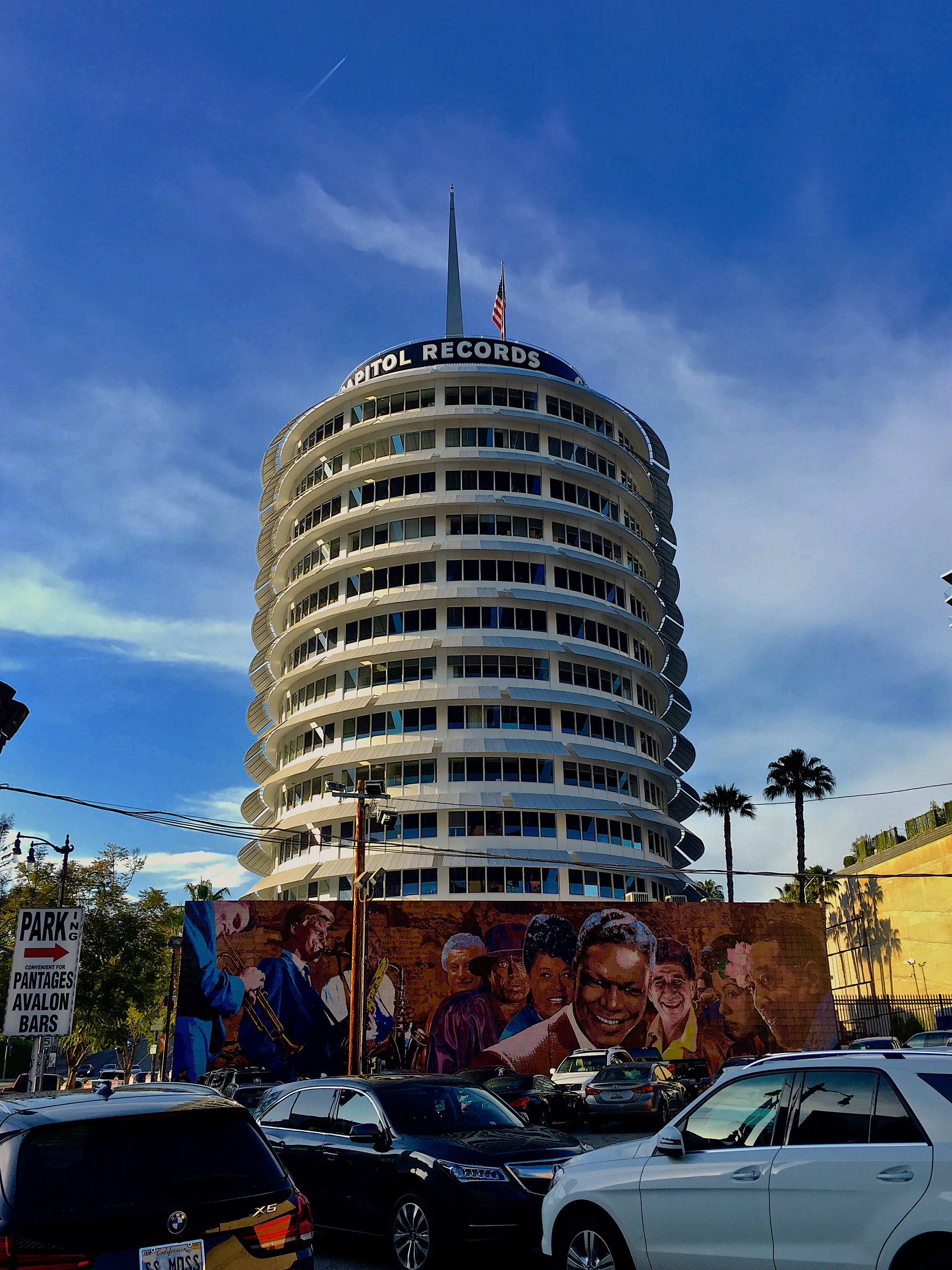 Capitol Records Tower, Vine Street, Hollywood
.jpg) Capitol Records Building, Hollywood, 2008
Capitol Records Building, Hollywood, 2008
.jpg) Frank Sinatra recording inside Capitol Studios, c. 1955
Frank Sinatra recording inside Capitol Studios, c. 1955
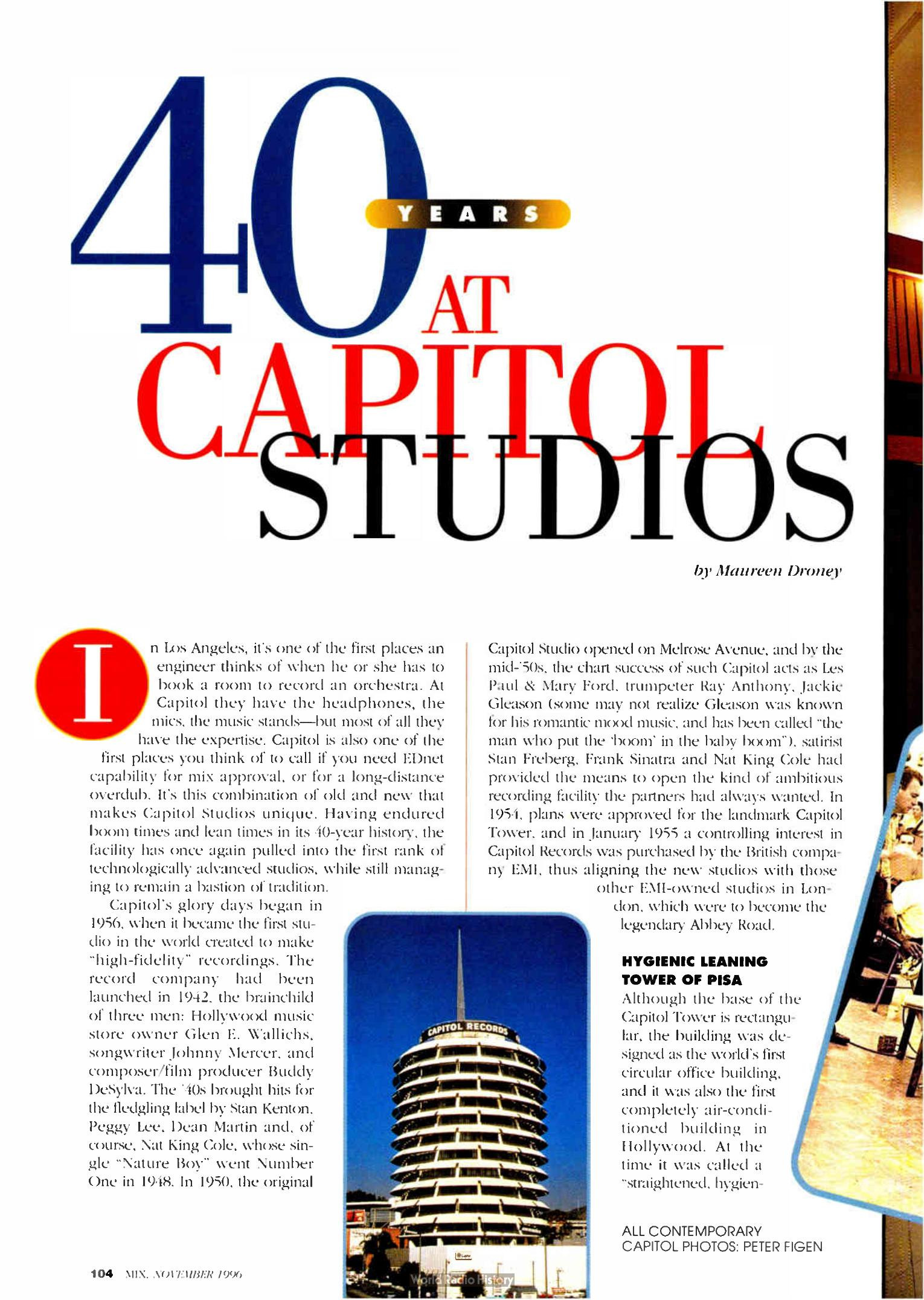
Capitol Studios opened in April 1956 beneath the Capitol Tower — the circular building on Vine Street in Hollywood, designed by Welton Becket Associates to resemble a stack of records. The complex was purpose-built from the foundation up as a recording facility, and its most distinctive feature was conceived before a single brick was laid: eight subterranean echo chambers constructed in concrete approximately nine metres below the building, each tuned to a different reverb time, connected to the studios above by a system of loudspeakers and microphones. The chambers' combination of hard concrete walls and controlled dimensions produces a reverb that is simultaneously lush and clear — wide enough to envelop an orchestra without clouding individual instruments.
Frank Sinatra had been recording for Capitol since 1953, working at the earlier Don Lee/KHJ facility on Melrose Avenue with arranger Nelson Riddle. When the Tower opened, Sinatra was among the first artists to record there. The albums he made at Capitol Studios between 1956 and 1962 — 'Come Fly with Me', 'Only the Lonely', 'Nice 'n' Easy', 'Songs for Swingin' Lovers' — are generally regarded as the finest orchestral pop recordings ever made, partly because of what Sinatra and Riddle had developed together, and partly because of what the echo chambers beneath Studio A added to every string arrangement. Nat King Cole, Judy Garland, and Dean Martin all recorded essential work in the same rooms.
The Beach Boys recorded their early Capitol albums in Studio A, benefitting from the same chambers. The Beatles' early American releases were processed through Capitol's facility. Bono, Beck, Norah Jones, and Radiohead have all recorded there in the modern era. The echo chambers have never been replicated or improved upon — they are the original rooms, unchanged since 1956, and the specific reverb character they produce remains a sought-after sound that no digital emulation has convincingly matched. Capitol Studios was designated a Los Angeles Historic-Cultural Monument.
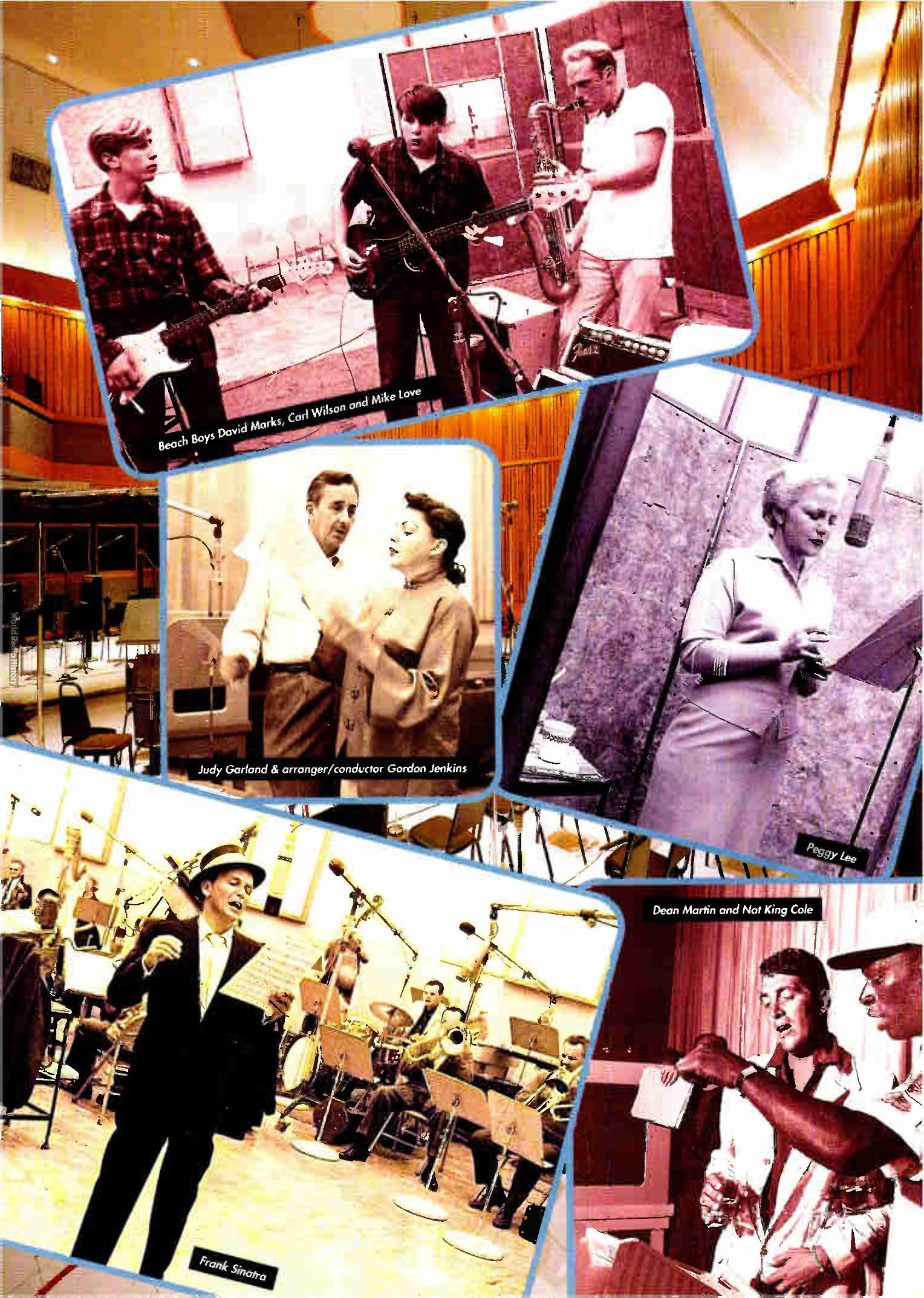
🇺🇸 Les Paul's Home Studio
Hollywood, California (1940s) / Mahwah, New Jersey (1950s), USA · est. 1945
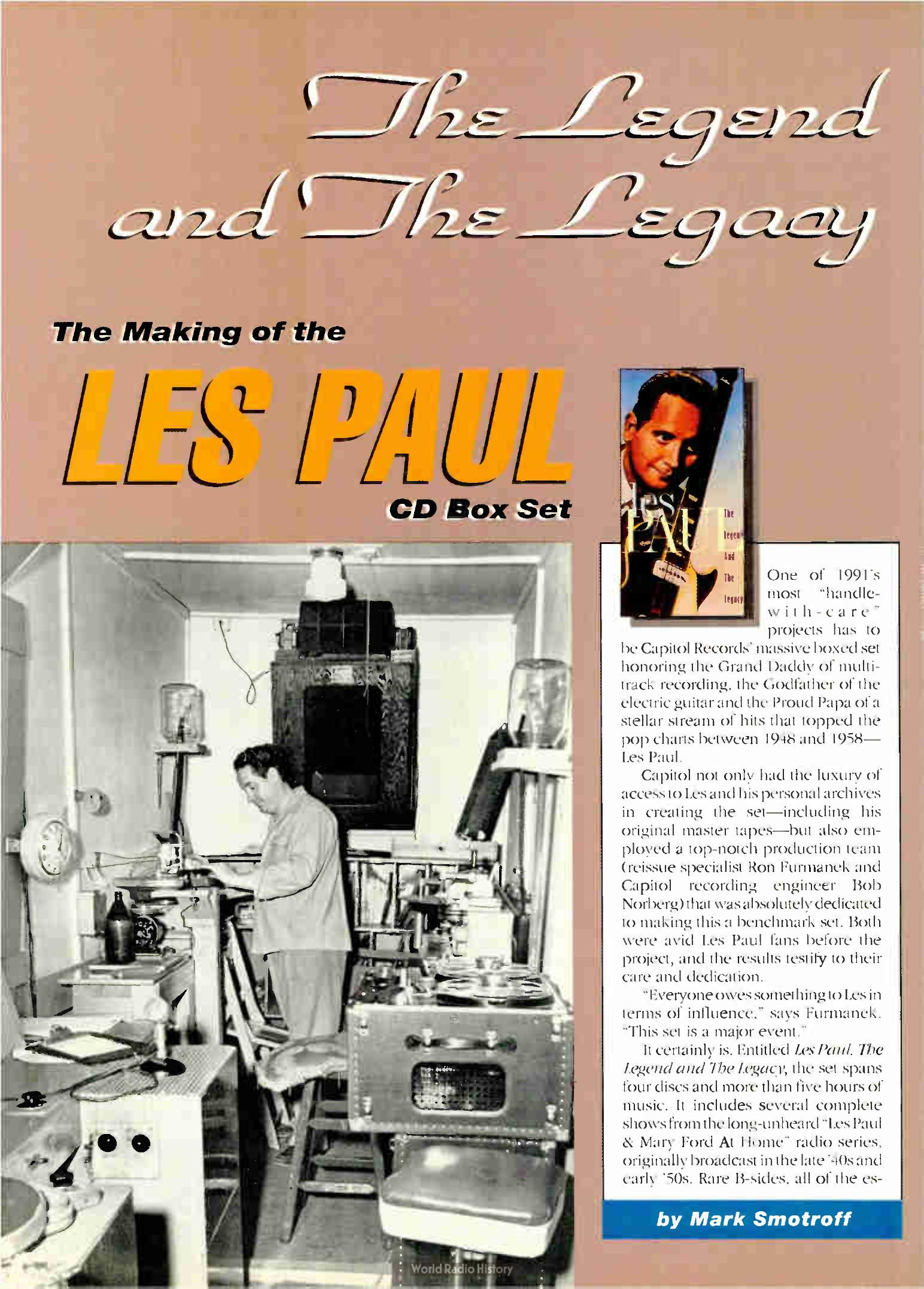
Les Paul's earliest recording experiments took place in a converted garage on Curson Avenue in Hollywood, California, where he built his own disc-cutting lathe and custom amplifiers. The technique he developed — layering performances by bouncing between disc recorders — was entirely his own invention: no manufacturer offered it, no studio practised it. Records like 'Brazil' and 'Lover' (1948) were made entirely disc-to-disc, each generation adding another performance while accumulating the noise and loss of the transfer. The records were extraordinary — Mary Ford's voice harmonising with itself in stacked layers — but the medium put hard limits on how far the technique could go.
In 1949, Bing Crosby gifted Paul an Ampex Model 300 mono tape recorder. Paul immediately modified it: he positioned an extra playback head before the erase head, enabling sound-on-sound overdubbing directly to tape. Any mistake on an overdub meant starting the entire session from scratch — there was no way to isolate and redo a single track. Despite this limitation, his hit recordings with Mary Ford from 1950 to 1954 — 'How High the Moon', 'Vaya Con Dios', 'Mockin' Bird Hill' — demonstrated what the layered approach could produce. The records sounded unlike anything else in existence and made Les Paul and Mary Ford one of the best-selling recording acts of the early 1950s.
Paul moved to Mahwah, New Jersey in the early 1950s and continued lobbying manufacturers for a single multichannel tape machine. The technology arrived in 1956, when Ampex engineers developed multitrack record heads with sufficient channel separation, individual track erase, and Sel-Sync — a system allowing playback from the record head during overdub, eliminating the timing error that had made true multitrack overdubbing impossible. Ampex approached Paul, who gave a $10,000 prepayment; the first 8-track machine was delivered in early 1957. By then his career as a hit-recording artist had effectively passed — but the architecture he had championed for a decade had permanently changed what a recording studio could be. Every multitrack record made since 1957 traces its lineage directly to the garage on Curson Avenue.
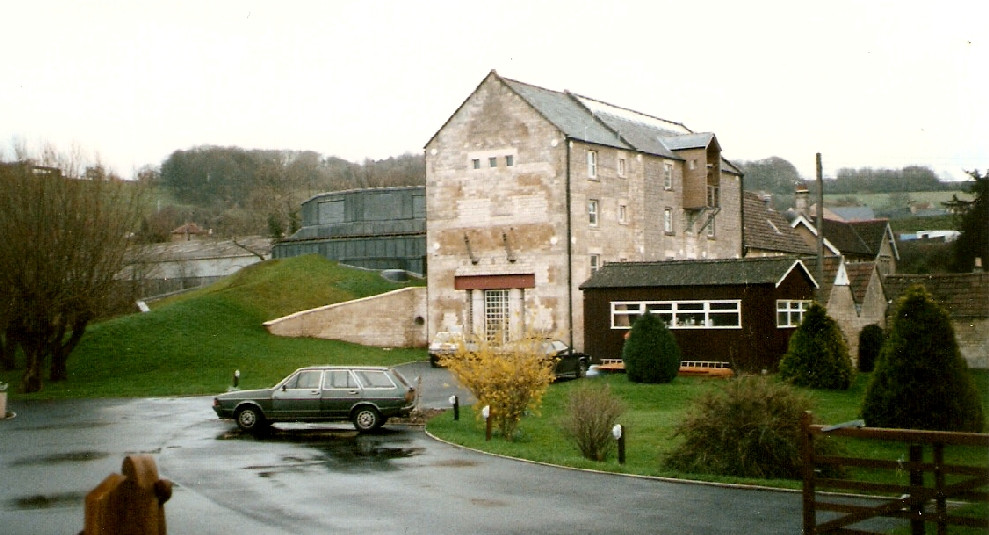 Real World Studios — front, Box, Wiltshire
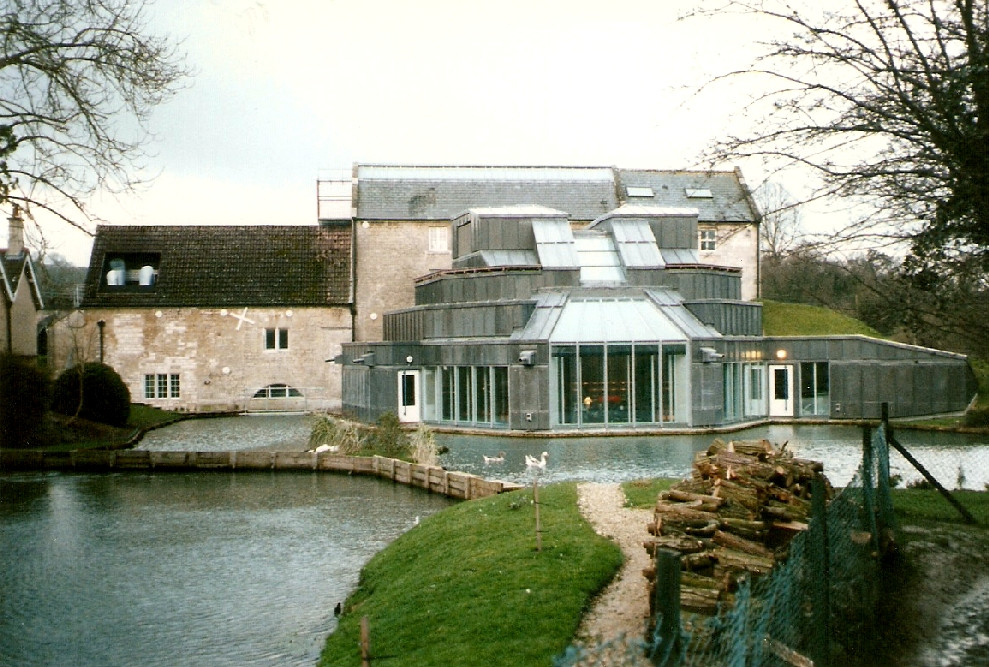 Real World Studios — rear view of the mill conversion
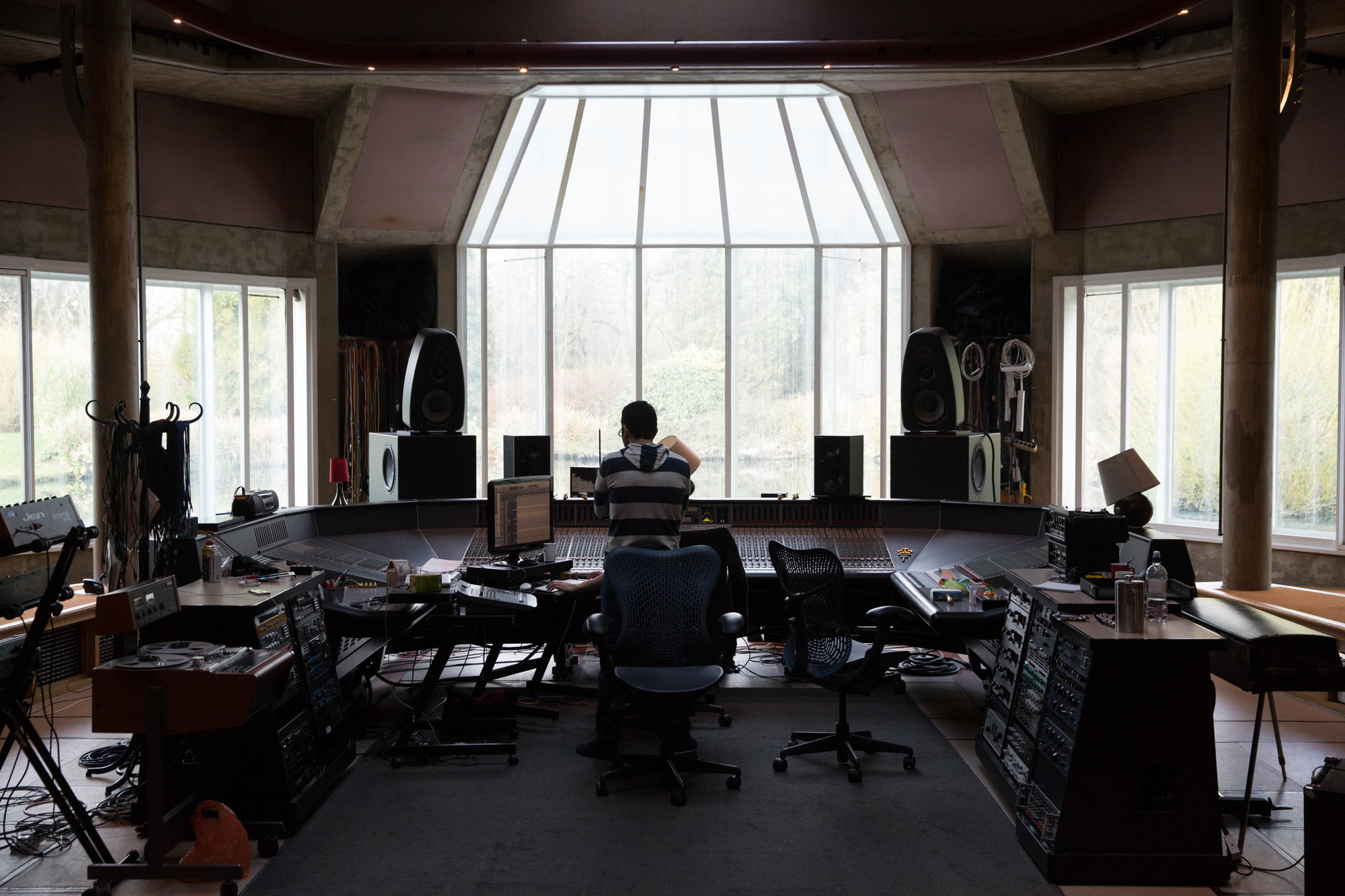 Recording session inside Real World Studios
Peter Gabriel built Real World Studios in a converted mill complex in the village of Box, Wiltshire in 1987, and from the outset it was conceived as something different from a commercial recording facility. The converted stone mill buildings, the water wheel, the glass-walled 'Big Room' overlooking the millpond — the environment was designed to dissolve the boundary between the studio and the natural world. Gabriel's premise was that music makes itself differently when the people making it can see a river, hear birdsong, and feel genuinely removed from the industry context in which most recording happens.
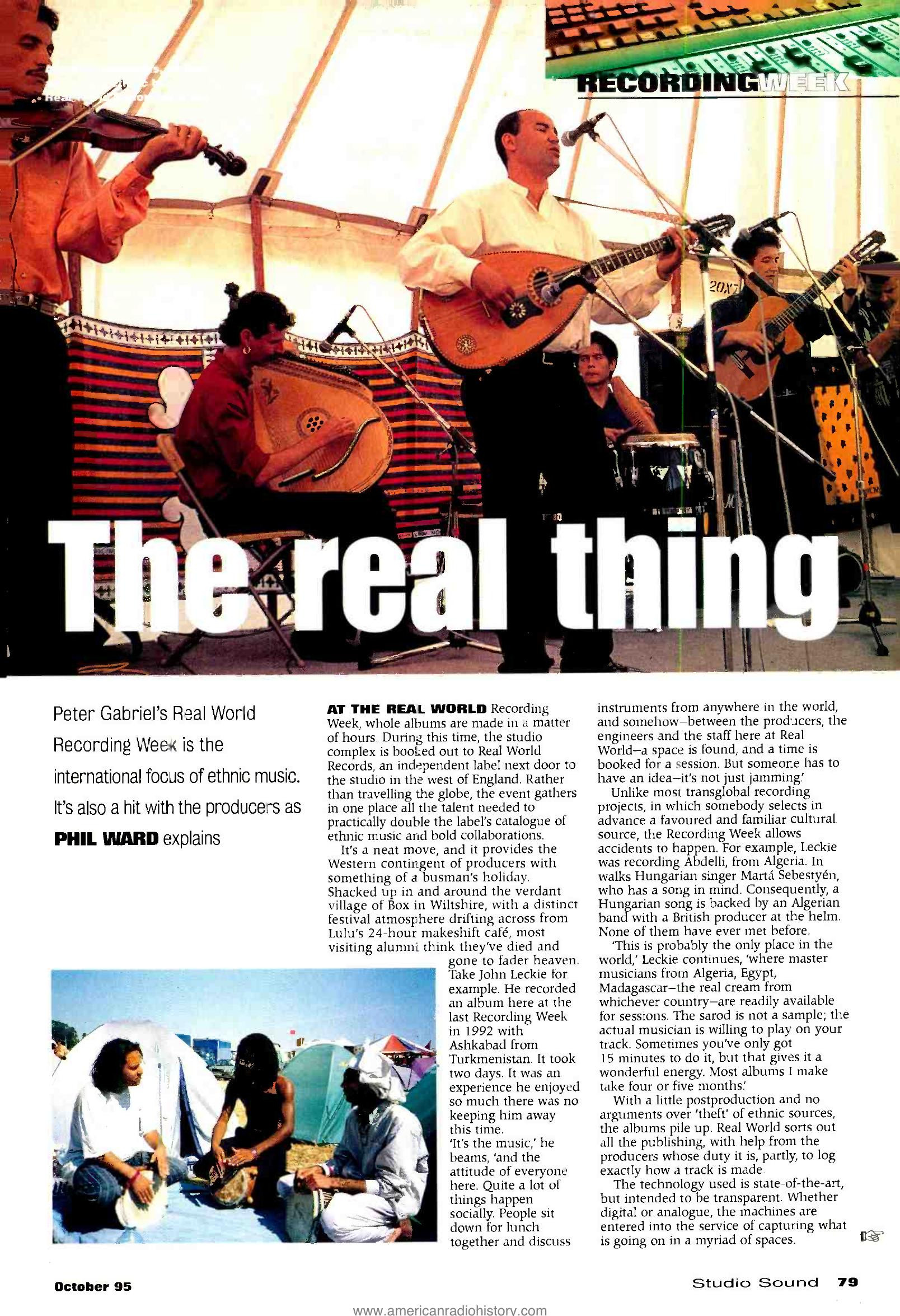
Gabriel used Real World as the base for his Real World Records label, which became the most significant outlet for global music in the 1990s. The annual 'Recording Weeks' — where artists from different countries and traditions were brought together at the studio with no fixed agenda and unlimited access to the equipment — produced some of the most remarkable musical cross-pollinations of the era. Youssou N'Dour, Nusrat Fateh Ali Khan, the Afro Celt Sound System, and dozens of musicians who might never otherwise have encountered each other made records that expanded the vocabulary of what was possible when those encounters happened in an environment without commercial pressure.
Gabriel recorded his own landmark albums at Real World: 'Us' (1992), made largely in the mill during an extended residential period, and 'Up' (2002), which took ten years of work to complete. The studio's SSL 9000 J console — one of the most sophisticated analogue mixing environments ever built — sits inside a room that looks directly onto the millpond, an unusual combination of high technology and environmental immersion. Real World continues to operate as a commercial studio and as the home of the record label Gabriel founded.
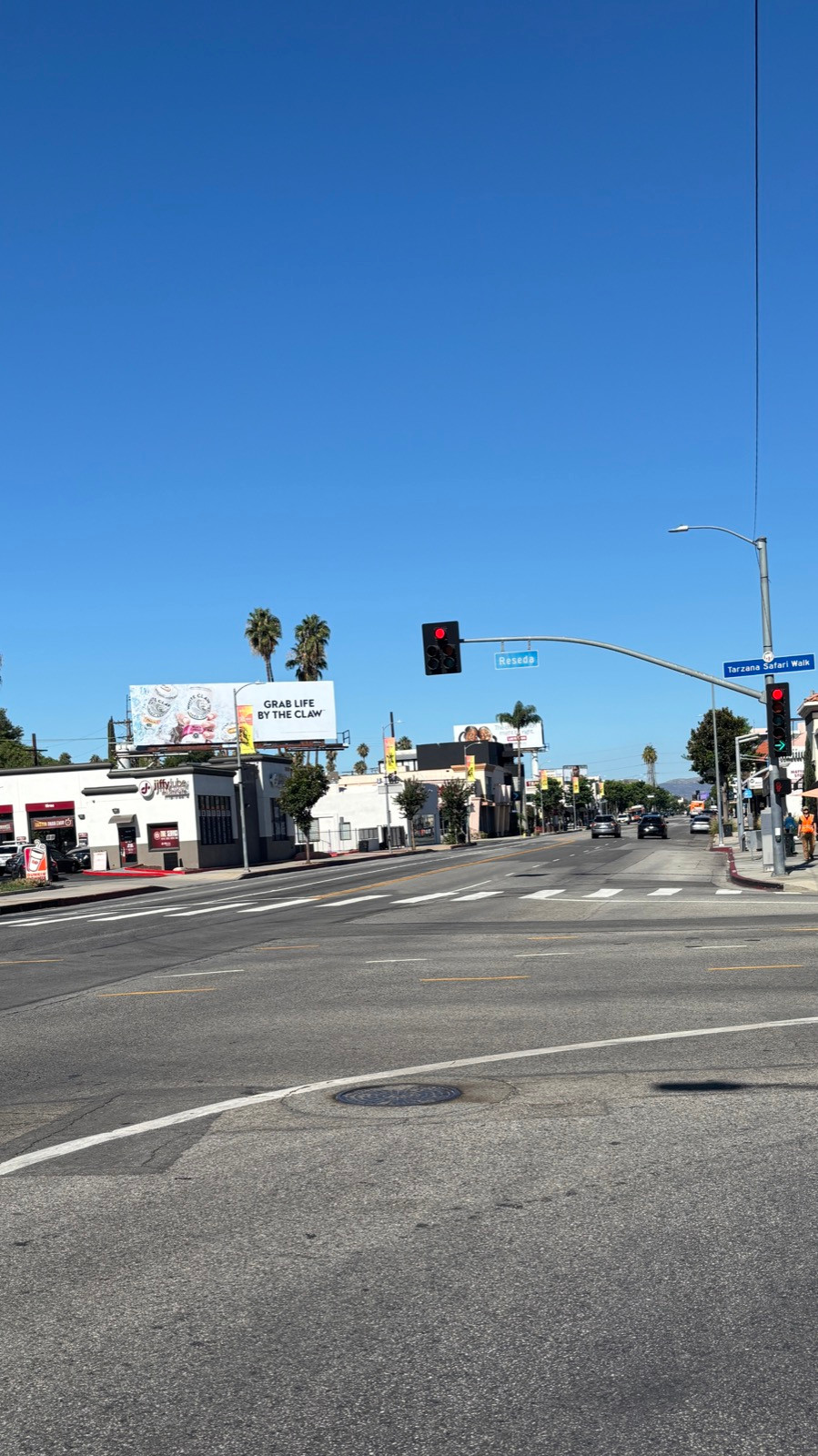 Tarzana, in the San Fernando Valley — the low-key Los Angeles suburb where Can-Am Recorders stood on Oxnard Street
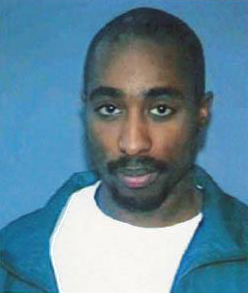 2Pac in 1996 — the year he cut sessions at Can-Am for 'All Eyez on Me' (artist portrait, not the studio)
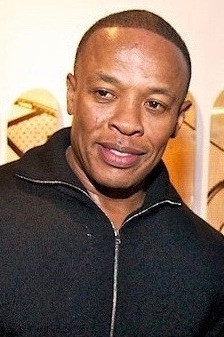 Dr. Dre — the producer at the centre of the Can-Am / Death Row years (artist portrait, not the studio)
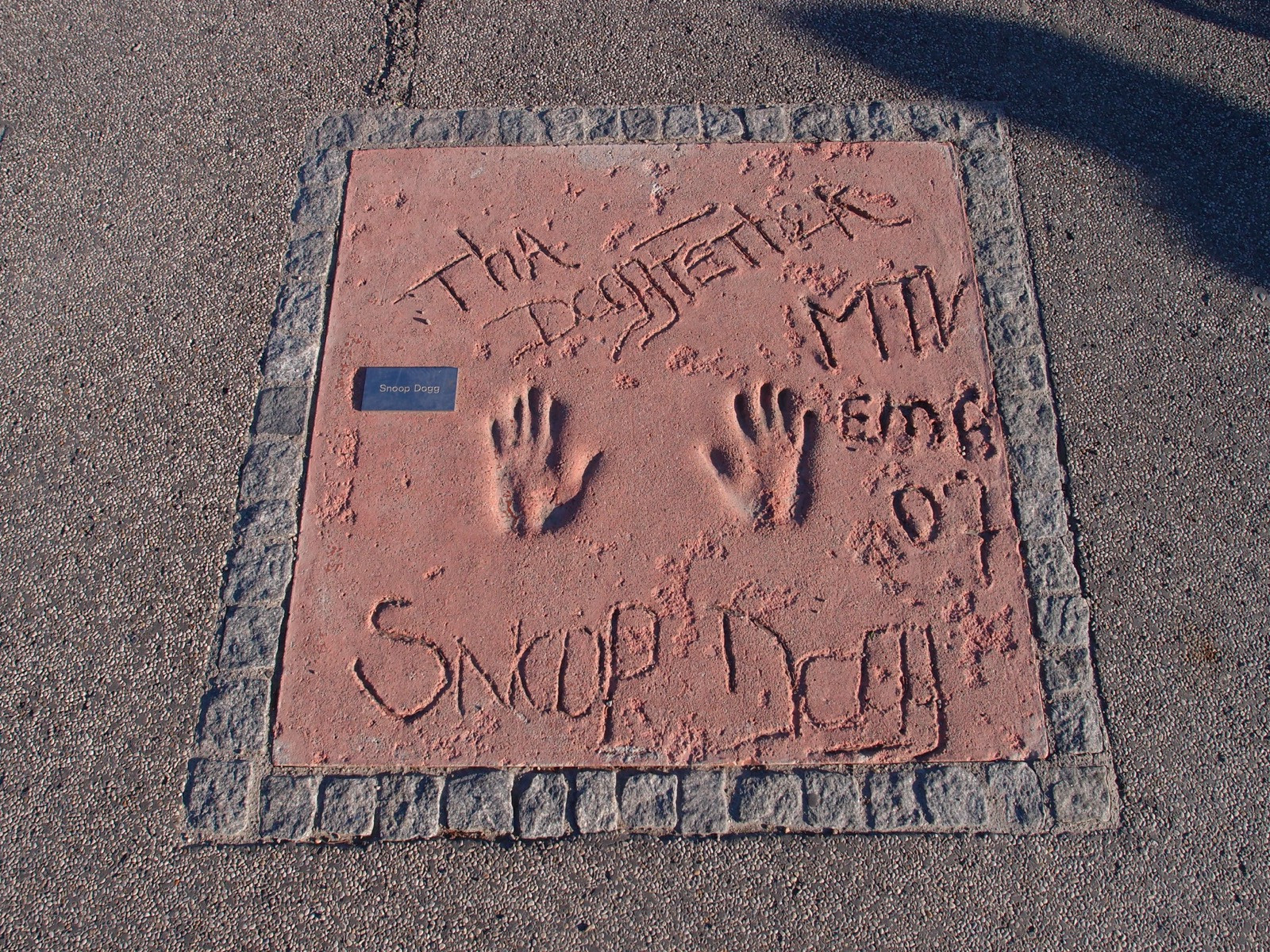 Snoop Dogg — a central Death Row artist of the Can-Am era (artist portrait, not the studio)
🇺🇸 Can Am Recorders
Tarzana, California, USA · est. 1978
Can-Am Recorders opened in 1978 in an industrial block at 18730 Oxnard Street in Tarzana, in the San Fernando Valley north of Los Angeles — founded by engineers Lanny Williamson, Larry Cummins, and Bill Wasson, and built initially around a Quad-Eight Coronado console and MCI machines. Through the 1980s it was a well-regarded rock and pop room — staff engineer Brian Malouf rebuilt the space early in the decade — before a 72-input SSL 4000 E-Series was installed. The room had a particular acoustic quality, controlled but not artificially dry, that translated low-end frequencies with unusual clarity — a characteristic that would prove important.
In 1992 Death Row Records made Can-Am its in-house headquarters, and it was here — the room usually credited on record sleeves simply as "Death Row Studios" — that Dr. Dre built the G-funk aesthetic: slow tempos anchored by synthesised bass lines derived from Parliament-Funkadelic samples, drum-machine patterns reinforced with live snare hits, and vocals recorded with the intimacy of a conversation. 'The Chronic' (1992) came out of these sessions, though, like most Death Row records, it also passed through other Los Angeles rooms. The studio's deep low end — which translated effectively to car audio, the dominant listening environment for West Coast hip-hop — was an advantage producers sought out specifically.
Snoop Dogg's 'Doggystyle' (1993) is generally traced to the same Death Row orbit, though its sessions were spread across several studios. The best-documented Can-Am chapter came in late 1995, when 2Pac — newly released from prison — cut the bulk of 'All Eyez on Me' (1996) here in a famously fast burst; engineer DJ Quik recalled going "from one to fourteen songs a day." Warren G, Nate Dogg, and Tha Dogg Pound also worked in the building. After Death Row's collapse it carried on under new hands — housing Chris Lord-Alge's Mix L.A. room, still built around the original Can-Am SSL, and in 2020 bought by TDE engineer Derek "MixedByAli" Ali and reopened as NoName Studios.
.jpg)
🇬🇧 Olympic Studios
Barnes, London, UK · est. 1966
Olympic Studios opened in 1966 in Barnes, south-west London, and for the following decade was arguably the most important rock recording studio in the world. The crucial design decision was Keith Grant's: he built the main tracking room large and live, with minimal acoustic treatment, accepting the room's natural ambience rather than suppressing it. This was unfashionable in an era when dead, controlled spaces were considered technically correct — but it proved to be exactly what the bands who came to Olympic needed. Rock music recorded loud in a live room sounds like a band playing, not like a document of instruments captured in isolation.
The Rolling Stones recorded 'Beggars Banquet' (1968), 'Let It Bleed' (1969), 'Sticky Fingers' (1971), and much of 'Exile on Main St.' (1972) at Olympic — their entire imperial run. Jimi Hendrix used Olympic for London sessions in 1967 and 1968. Led Zeppelin recorded their first two albums at Olympic with engineer Glyn Johns in 1968 and 1969 — the live drum sound that John Bonham produced in the main room is still regarded as the benchmark for hard rock recording. The Who, Small Faces, Traffic, and Donovan all made landmark sessions there.
Olympic's engineering culture was shaped by the Johns brothers — Glyn and Andy — and Eddie Kramer, all of whom learned their craft in the building. Between them they engineered the majority of the defining British rock albums of the late 1960s and went on to define how rock was recorded in studios across the world. Olympic was subsequently converted into a cinema in 2009, though the building survives.
.jpg) Former Trident Recording Studios, St Anne's Court, Soho, 2004
Former Trident Recording Studios, St Anne's Court, Soho, 2004
.jpg) Trident Studios entrance, St Anne's Court, Soho, 2004
Trident Studios entrance, St Anne's Court, Soho, 2004
.jpg) Trident Studios door nameplates, St Anne's Court, Soho, 2004
Trident Studios door nameplates, St Anne's Court, Soho, 2004
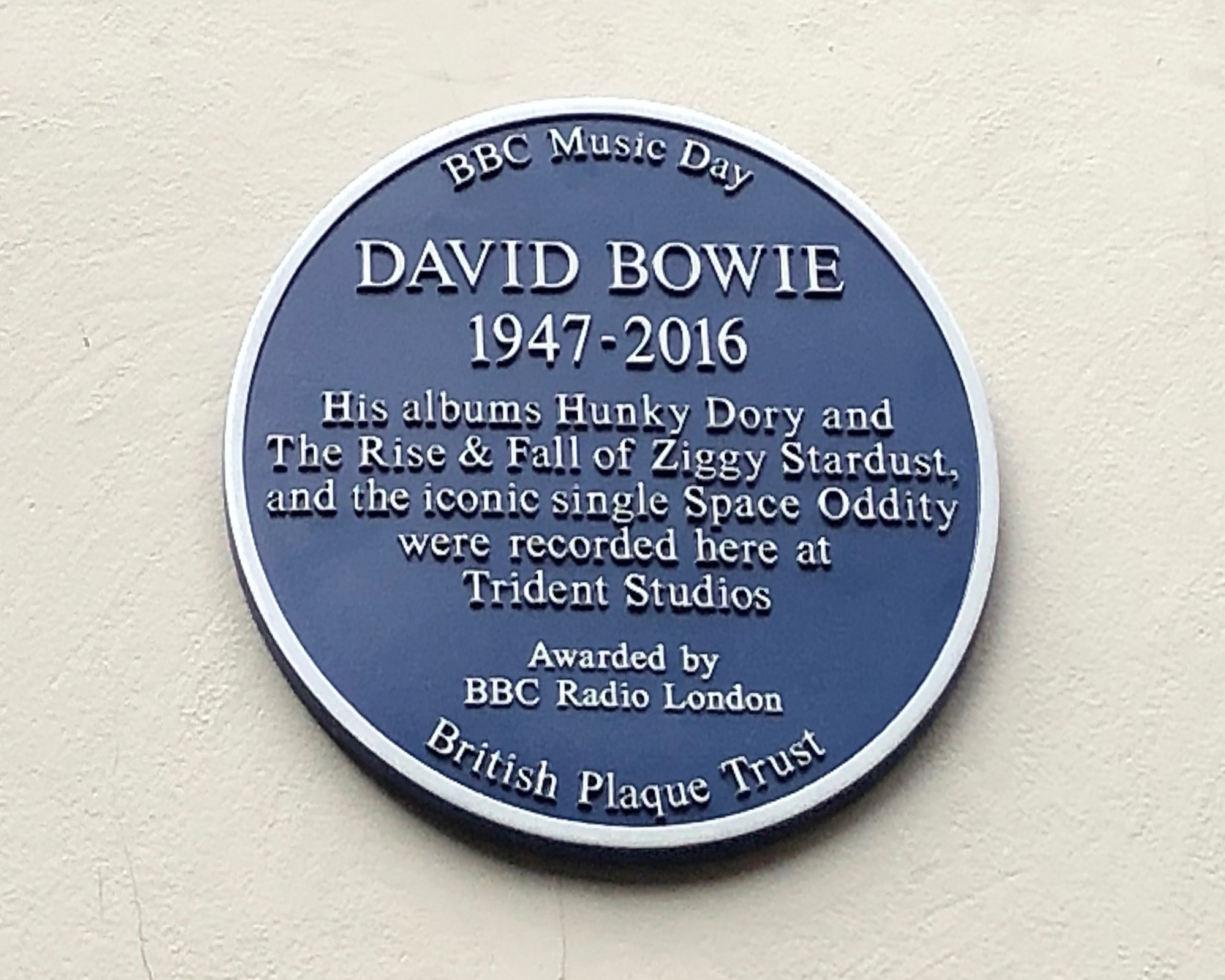 David Bowie blue heritage plaque at former Trident Studios, Soho, 2019
🇬🇧 Trident Studios
St Anne's Court, Soho, London, UK · est. 1968
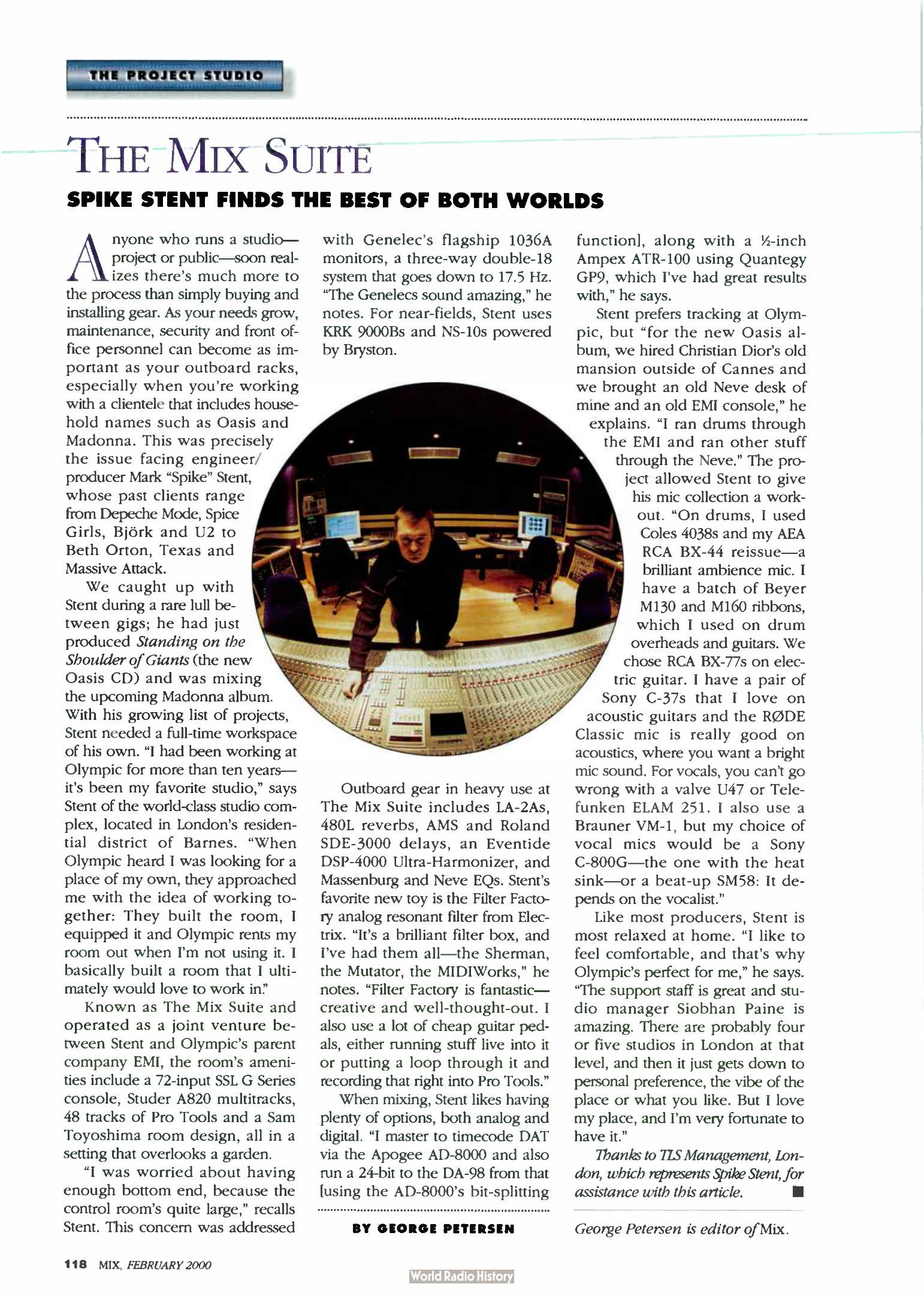
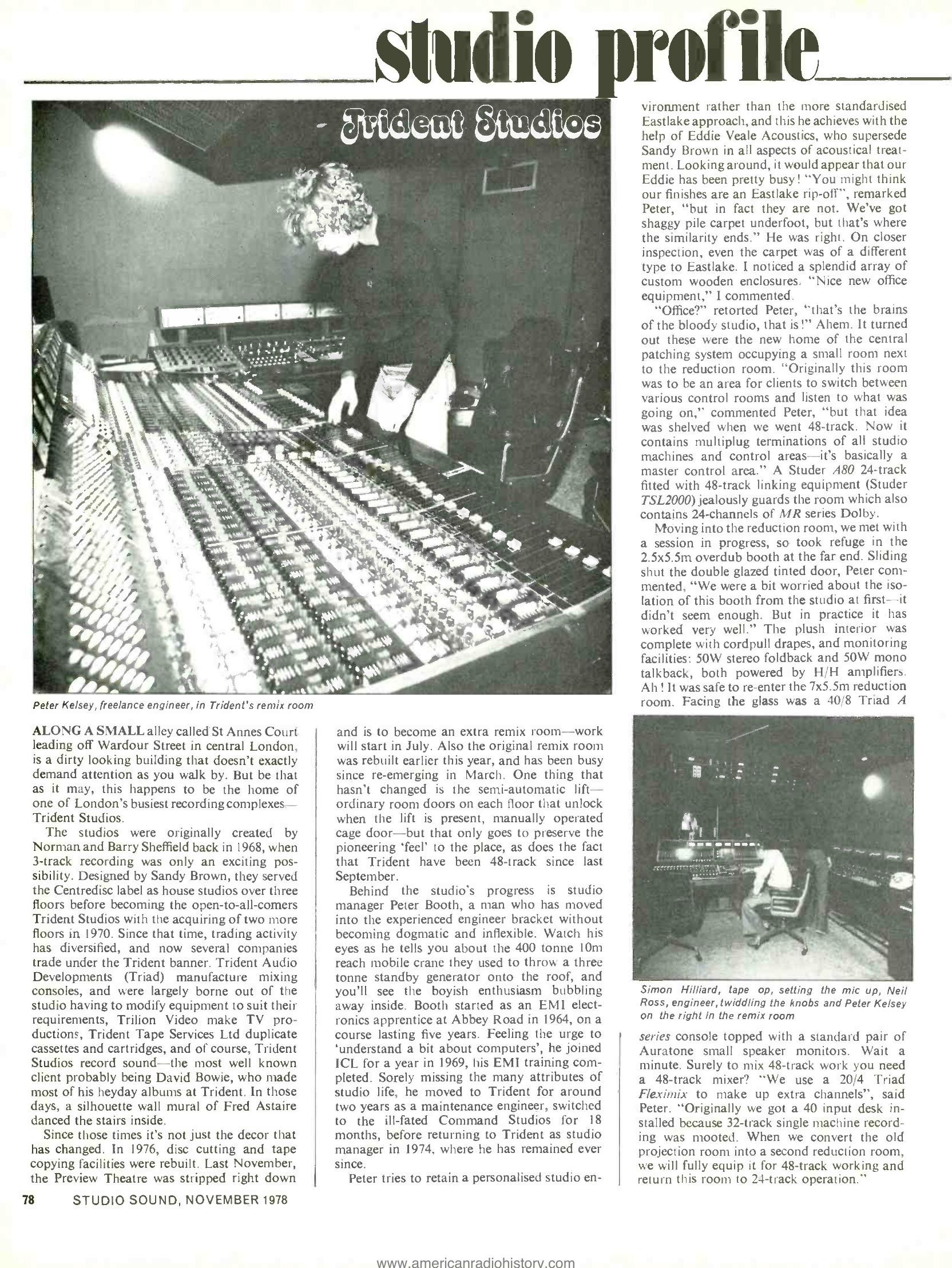
Trident Studios was built in a basement at 17 St Anne's Court, Soho, in 1968 by brothers Norman and Barry Sheffield. Within a year it had become one of the most important studios in London, distinguished by a single technical advantage: it was among the first studios in the UK to install an eight-track tape machine — a 3M M56 — giving it a capability that Abbey Road and Olympic did not yet have. The additional tracks meant fuller arrangements, more sophisticated vocal overdubs, and production approaches that were simply impossible in a four-track environment.
The Beatles recorded 'Hey Jude' at Trident in July 1968, using the eight-track facility to achieve a fullness that Abbey Road's then four-track setup couldn't accommodate. The session included a 36-piece orchestra for the final reprise. David Bowie recorded 'Hunky Dory' (1971) and 'The Rise and Fall of Ziggy Stardust and the Spiders from Mars' (1972) at Trident with producer Ken Scott — two of the most important albums of the decade, made in the same basement. Queen recorded their first two albums entirely at Trident, and the upright piano in the studio corridor that Freddie Mercury used for 'Killer Queen' and other tracks is fundamental to Queen's early sound.
Elton John, Lou Reed, and T. Rex all used Trident at its mid-1970s peak. The Trident Series 70 and A-Range consoles — custom-built for the studio — had a sonic character that engineers described as simultaneously warm and detailed, a difficult balance that the Sheffield brothers achieved through careful design. The studio closed in the mid-1970s after a financial dispute; the building on St Anne's Court now carries a blue heritage plaque commemorating both David Bowie and the studio. Only a handful of Trident consoles survive.
🇲🇸 AIR Studios Montserrat
Olveston, Montserrat, Caribbean · est. 1979
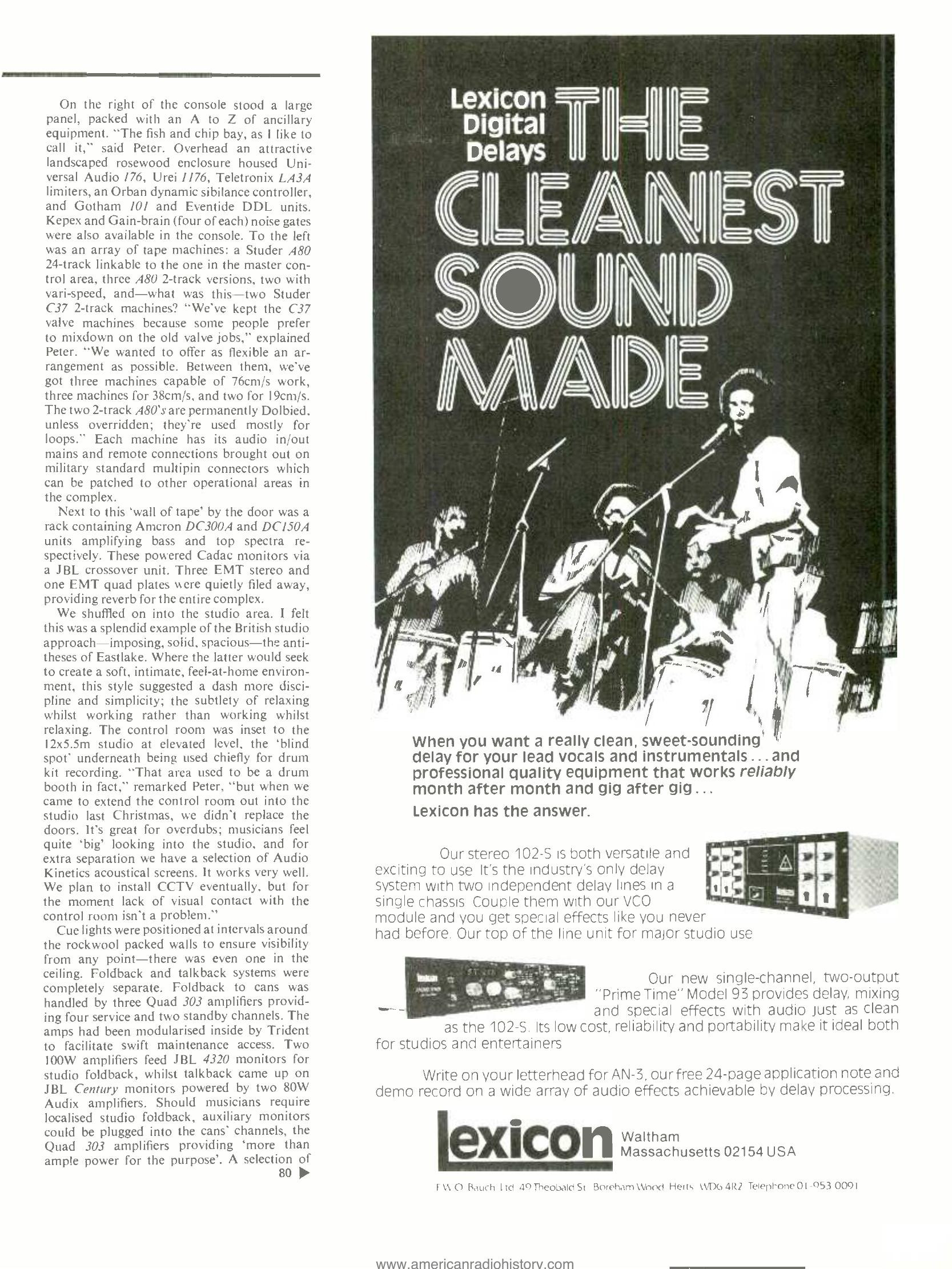
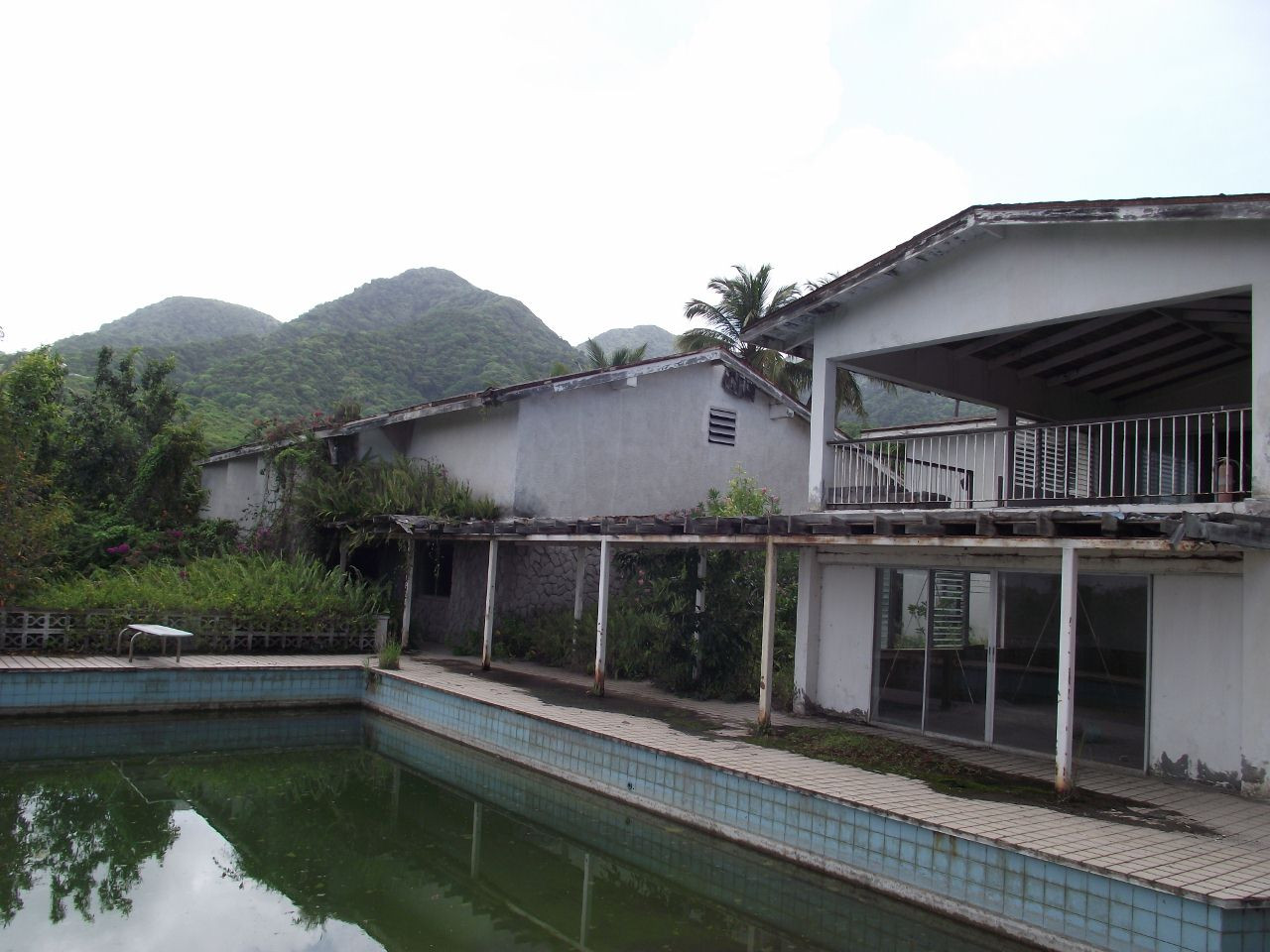
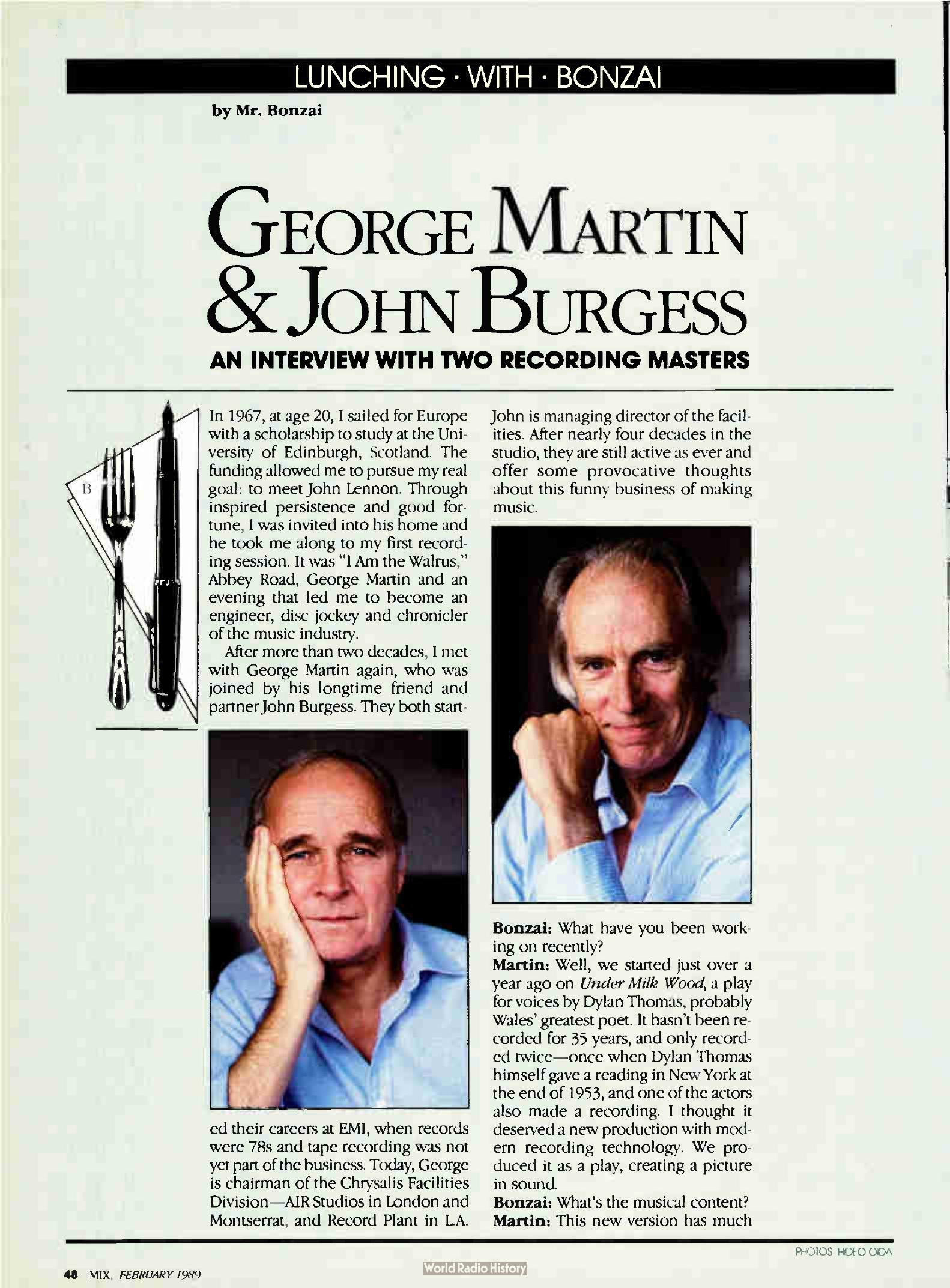
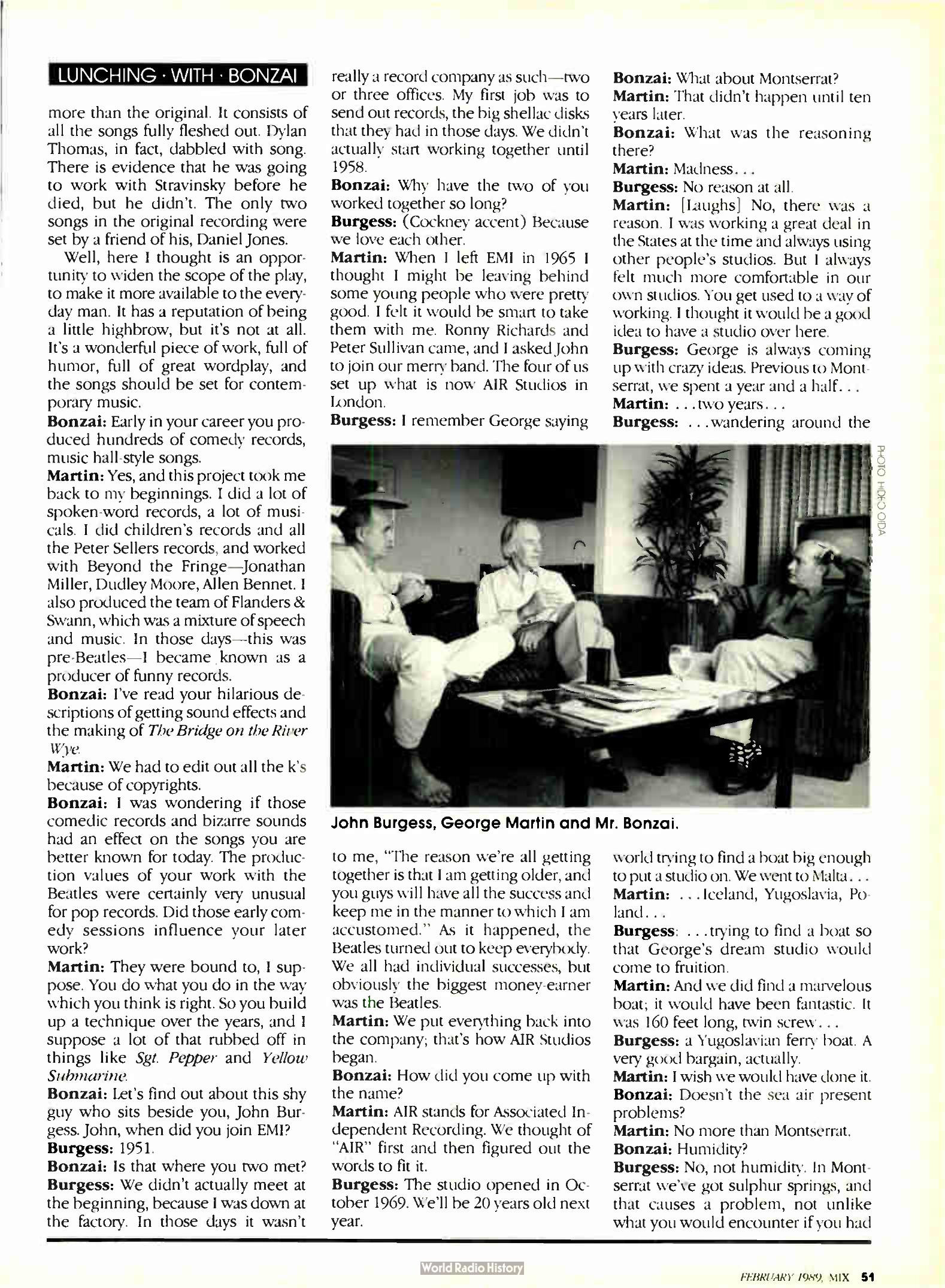
George Martin — the producer of The Beatles and founder of AIR Studios in London — opened AIR Studios Montserrat on the Caribbean island of Montserrat in 1979, constructing a state-of-the-art recording facility in a converted villa above the village of Olveston, with views across the Caribbean. The studio's proposition was simple and unprecedented: world-class equipment — a Neve 8078, a full complement of outboard, multitrack tape machines — in a location of extraordinary beauty, far from the pressures and distractions of London and New York. Artists who came to Montserrat stayed for weeks; the island's remoteness made it impossible to duck out for the evening or be drawn back into the industry.
The Police recorded 'Synchronicity' at AIR Montserrat in 1983 — the album that produced 'Every Breath You Take' and made them the biggest band in the world. Dire Straits recorded 'Brothers in Arms' there in 1984, an album that became the first to sell more than a million copies in CD format, largely because of the sonic clarity that the Neve 8078 and Mark Knopfler's approach to recording guitar produced in that room. Paul McCartney, Duran Duran, Elton John, Rush, and the Rolling Stones all worked at AIR Montserrat during its decade of operation.
Hurricane Hugo struck Montserrat on 17 September 1989 with catastrophic force. The studio was devastated; the island suffered widespread destruction. George Martin closed AIR Montserrat permanently. The volcanic eruptions of the Soufrière Hills volcano that began in 1995 rendered much of the island uninhabitable and buried the southern half, including the town of Plymouth, under ash and pyroclastic flow. The ruins of the studio stand in the island's exclusion zone. AIR Studios relaunched in London at Lyndhurst Road, Hampstead, in 1991, where it continues to operate.
🇸🇪 Polar Studios
Stockholm, Sweden · est. 1978
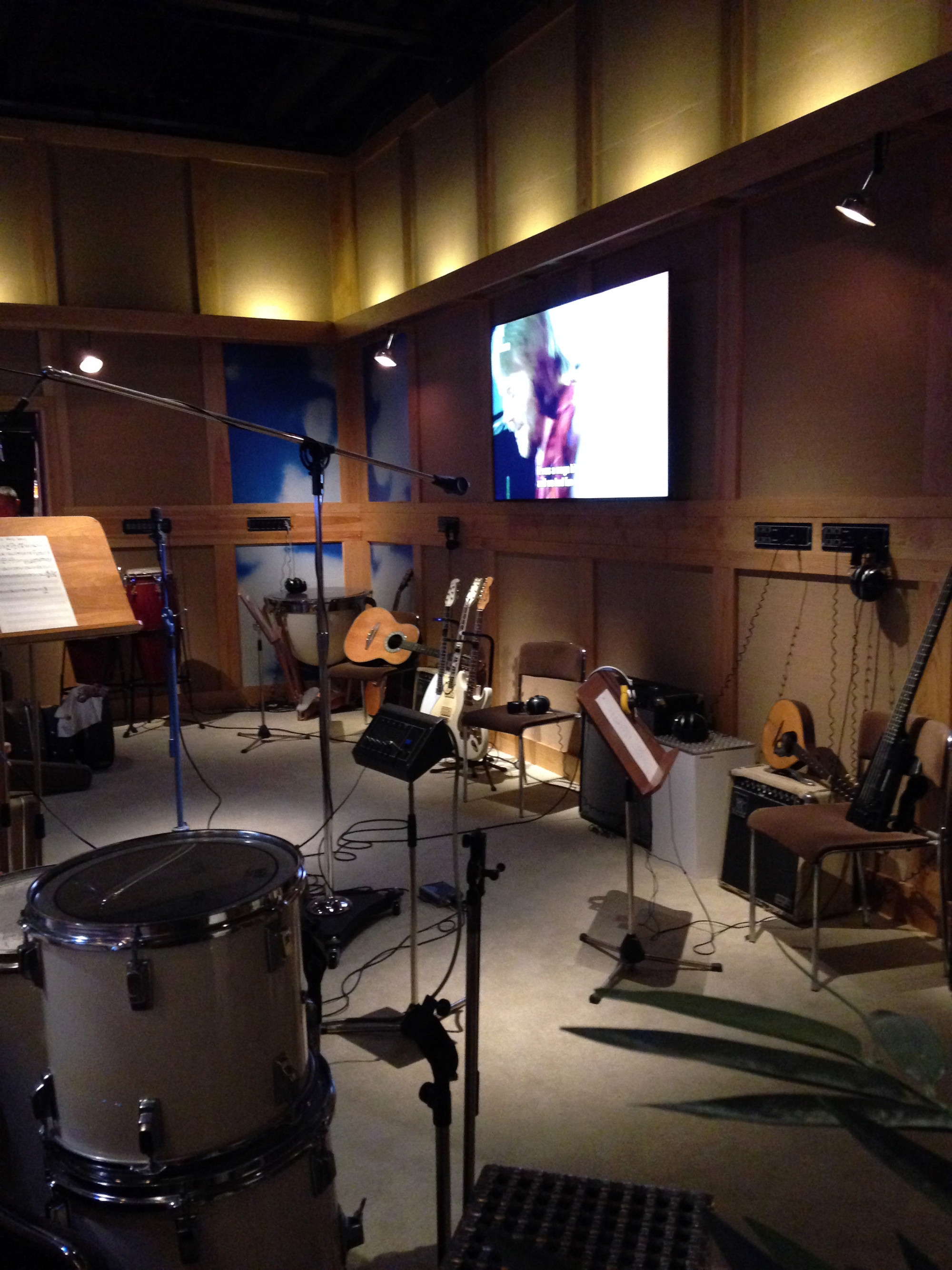
ABBA founded Polar Studios in 1978, fitting out a former cinema basement at Sankt Eriksgatan 58–60 in central Stockholm with a Neve 8028 console, Studer tape machines, and meticulously designed acoustic isolation. The studio was built for ABBA's own use — a creative base that would give the group complete independence from the commercial booking pressures of other facilities — and it was equipped to a standard that made it immediately among the most technically advanced studios in Europe.
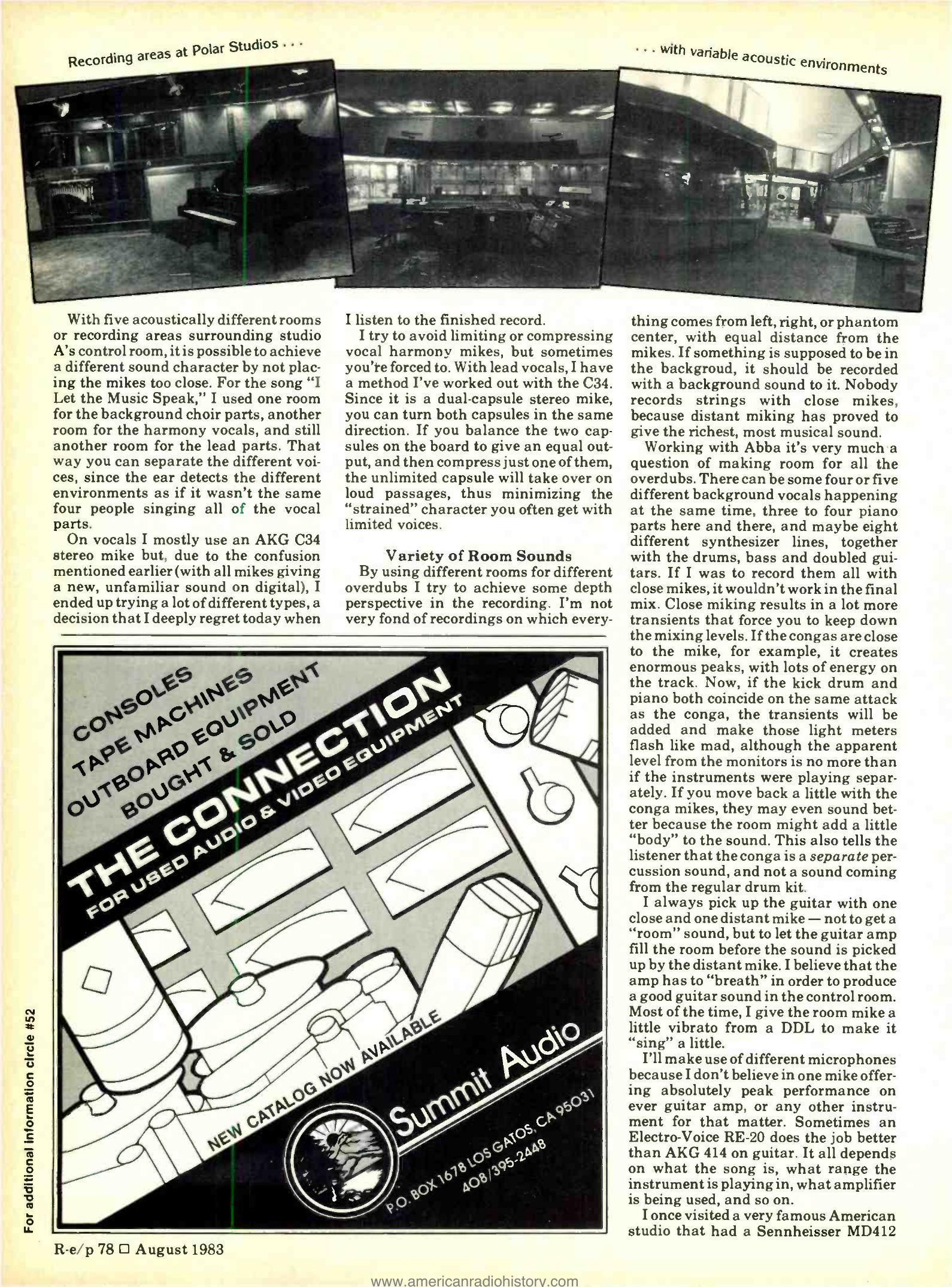
Led Zeppelin arrived at Polar in November 1978, drawn by the studio's reputation and the Neve 8028 console. They recorded 'In Through the Out Door' there — their final fully completed studio album — in just three weeks. The sessions were notable for being driven primarily by John Paul Jones and Robert Plant after Jimmy Page's drug-related withdrawal during the recording; the result, mixed by Page on the Neve, has a warmth and textural density that engineers have attributed partly to the console and partly to the particular acoustic character of the Stockholm basement room.
ABBA recorded 'Voulez-Vous' (1979) and 'Super Trouper' (1980) at Polar — their final albums before the group disbanded following the personal relationship breakdowns of Björn Ulvaeus and Agnetha Fältskog and Benny Andersson and Anni-Frid Lyngstad. The studio was sold, changed ownership several times, and finally closed in 2004. A detailed reconstruction of the Polar Studios control room — including the original Neve 8028 console — was built at the ABBA Museum in Stockholm, where it is now on permanent display.
🇫🇷 Château d'Hérouville
Hérouville-en-Vexin, Val-d'Oise, France · est. 1969
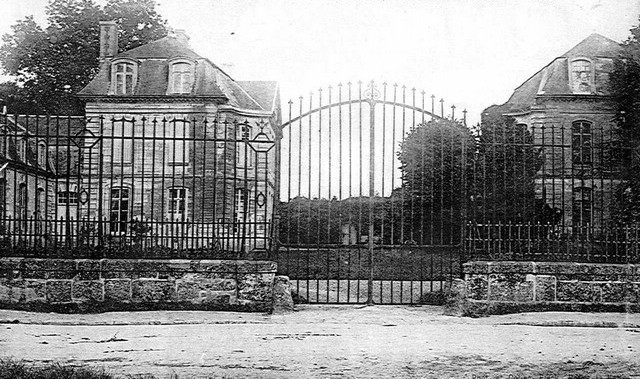
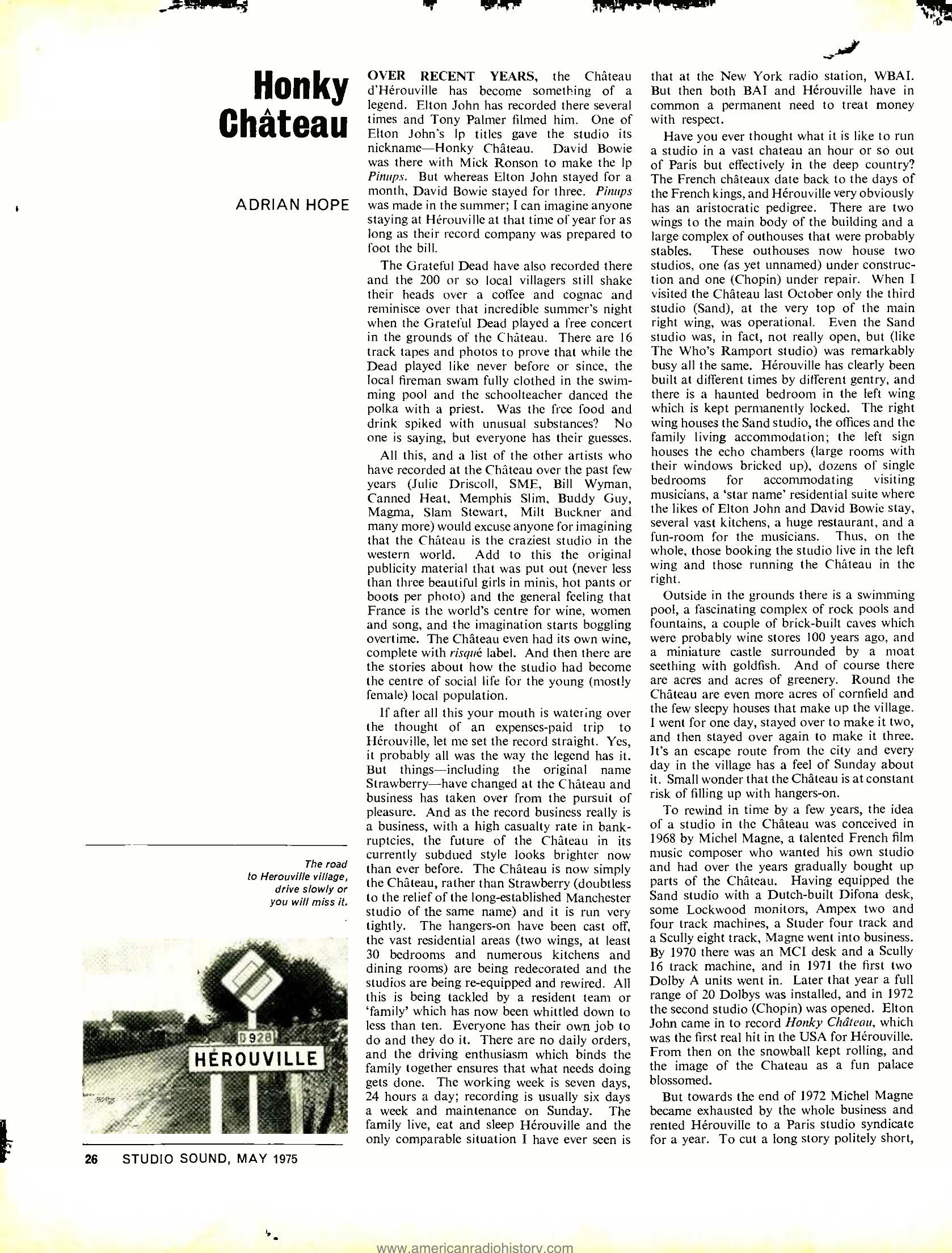
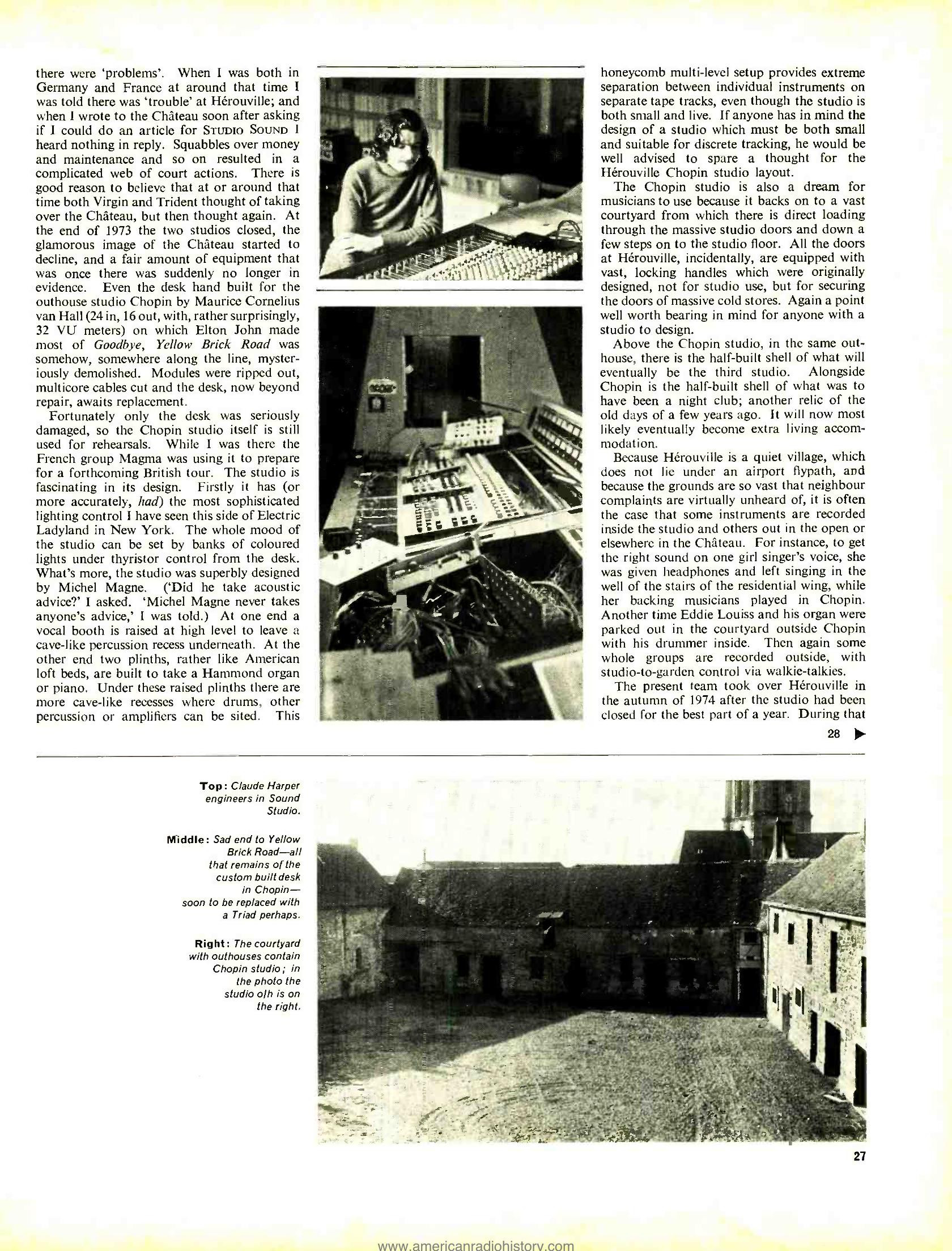
The Château d'Hérouville — a country house in the Val-d'Oise, north of Paris — carries a cultural history that predates its recording studio chapter by several centuries. The building as it stands dates primarily from the eighteenth century; an earlier structure on the foundations was associated with Frédéric Chopin and George Sand, who lived in its wing during the 1840s. The property was acquired in 1969 by composer and film scorer Michel Magne, who had fallen in love with the building's extraordinary natural acoustics — the stone walls, flagstone floors, and vaulted cellars produced reverb chambers that no purpose-built studio could replicate — and converted it into a residential recording studio.
Elton John arrived in 1972 and recorded 'Honky Château' there, naming the album after his host and the château itself. He returned immediately for 'Don't Shoot Me I'm Only the Piano Player' (1973) and again for 'Goodbye Yellow Brick Road' (1973), making three albums in quick succession that defined his commercial peak. David Bowie recorded 'Pin Ups' (1973) at the château and tracked early elements of 'Low' (1976) there. The Bee Gees, T. Rex, Cat Stevens, and Fleetwood Mac all recorded at the facility. The Grateful Dead played an informal outdoor show in the château grounds during a 1971 festival residency.
Michel Magne went bankrupt in 1979 and the property was sold. Subsequent owners allowed the building to fall into disrepair; the studio lay dormant for decades. In 2015, three music professionals acquired the château and undertook a comprehensive restoration of both the building and its recording equipment. The studio is now operational again, its stone walls and vaulted reverb chambers unchanged from the sessions that produced some of the most important records of the 1970s.
 Rockfield Studio, Monmouth, Wales
.jpg) Studio 2 control room
Studio 2 control room
.jpg) Studio 2 — 48-track mixing desk
Studio 2 — 48-track mixing desk
.jpg) Coach House drum room — used by Black Sabbath for Heaven & Hell
Coach House drum room — used by Black Sabbath for Heaven & Hell
.jpg) Hammond organ and Leslie speaker in Studio 2
Hammond organ and Leslie speaker in Studio 2
.jpg) Active 2" tape machine in Studio 2
Active 2" tape machine in Studio 2
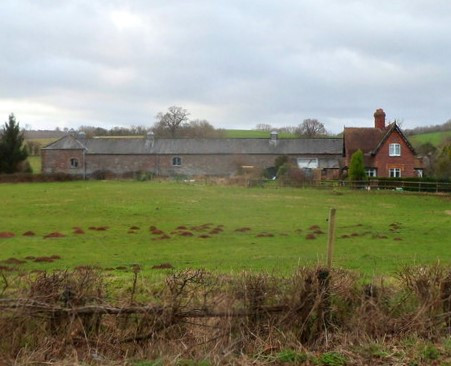
Rockfield Studio was established in 1963 by brothers Charles and Kingsley Ward on their family farm near Monmouth in rural Wales, making it the world's first purpose-built residential recording studio. The Ward brothers converted farm outbuildings into tracking rooms and control rooms, and offered bands the use of the farmhouse as residential accommodation — a model that proved enormously influential. The residential format changed the nature of the recording session: bands no longer commuted to the studio each day but lived together inside the music, without the pressure of hourly rates and without anywhere else to be.
Queen arrived at Rockfield in August 1975 to record what became 'Bohemian Rhapsody'. The operatic middle section — the 'Galileo' passage — required approximately 180 overdubs of vocals and instruments, built across sessions at Rockfield and subsequently at Scorpion Studios. Freddie Mercury, Brian May, and Roger Taylor sang the parts together, building the arrangement layer by layer until the tape ran thin from repeated passes. Producer Roy Thomas Baker mixed the result on the studio's MCI console. When released in October 1975, the six-minute single broke every commercial radio convention of the era and reached number one.
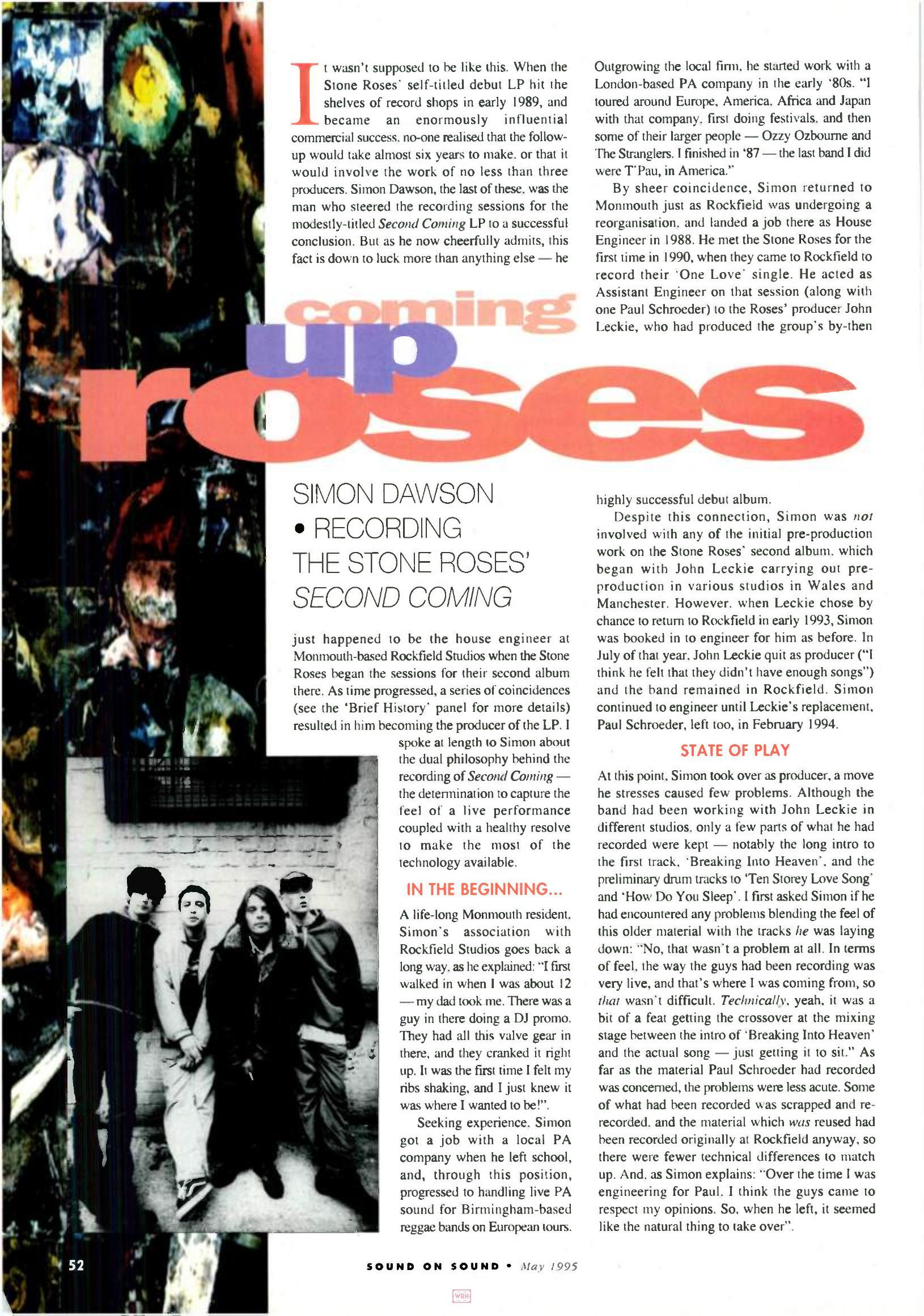
Coldplay recorded 'A Rush of Blood to the Head' at Rockfield; Chris Martin wrote 'Yellow' on acoustic guitar during those sessions. Black Sabbath, Robert Plant, Simple Minds, and Iggy Pop have all recorded in the farm buildings. The studio continues to operate under the Ward family. The 2020 BBC documentary 'Rockfield: The Studio on the Farm' memorialised six decades of its history.
🇺🇸 Van Gelder Studio
Englewood Cliffs, New Jersey, USA · est. 1959
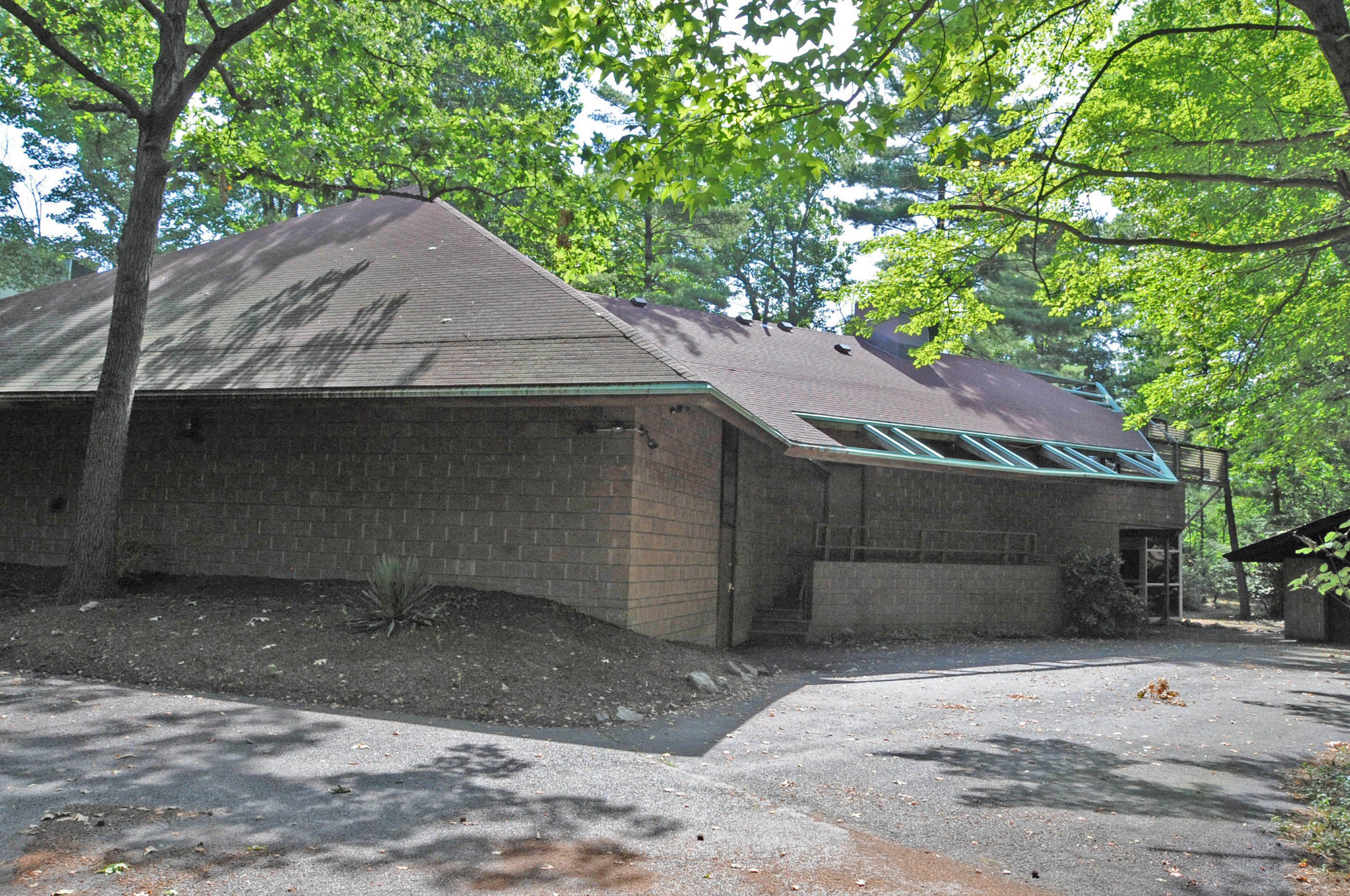
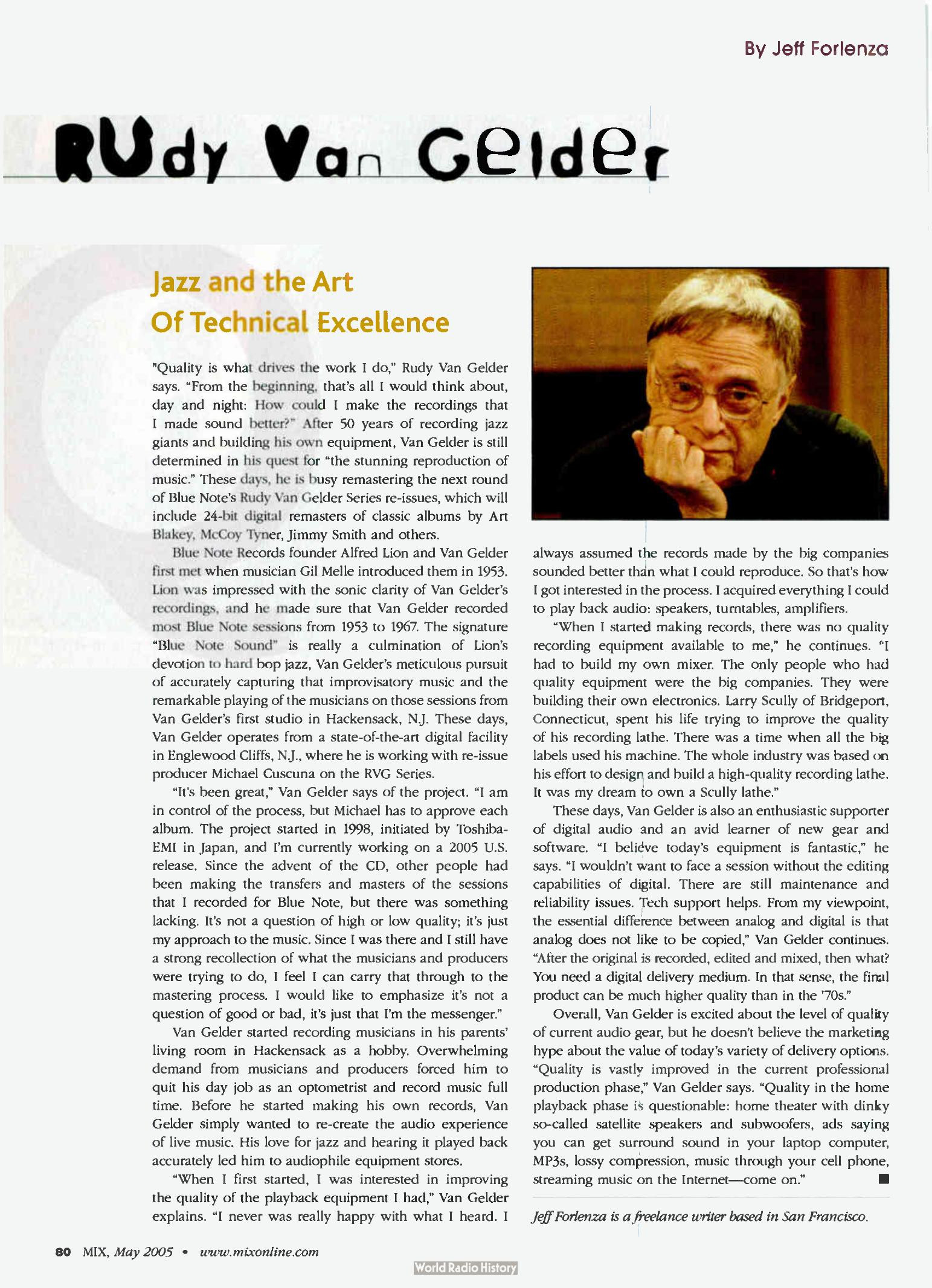
Rudy Van Gelder was a licensed optometrist who recorded jazz on the side in his parents' living room in Hackensack, New Jersey, and became the most important recording engineer in the history of jazz. His Hackensack home studio, from 1953 to 1959, captured the foundational Blue Note and Prestige sessions: Miles Davis, Thelonious Monk, Sonny Rollins, Art Blakey, and Clifford Brown all recorded in a suburban living room. Van Gelder designed his own microphone placement techniques, built custom preamplifiers, and developed a recording philosophy that prioritised the physical reality of instruments over technical smoothness — he wanted a saxophone to sound like a saxophone, not like a recording of one.
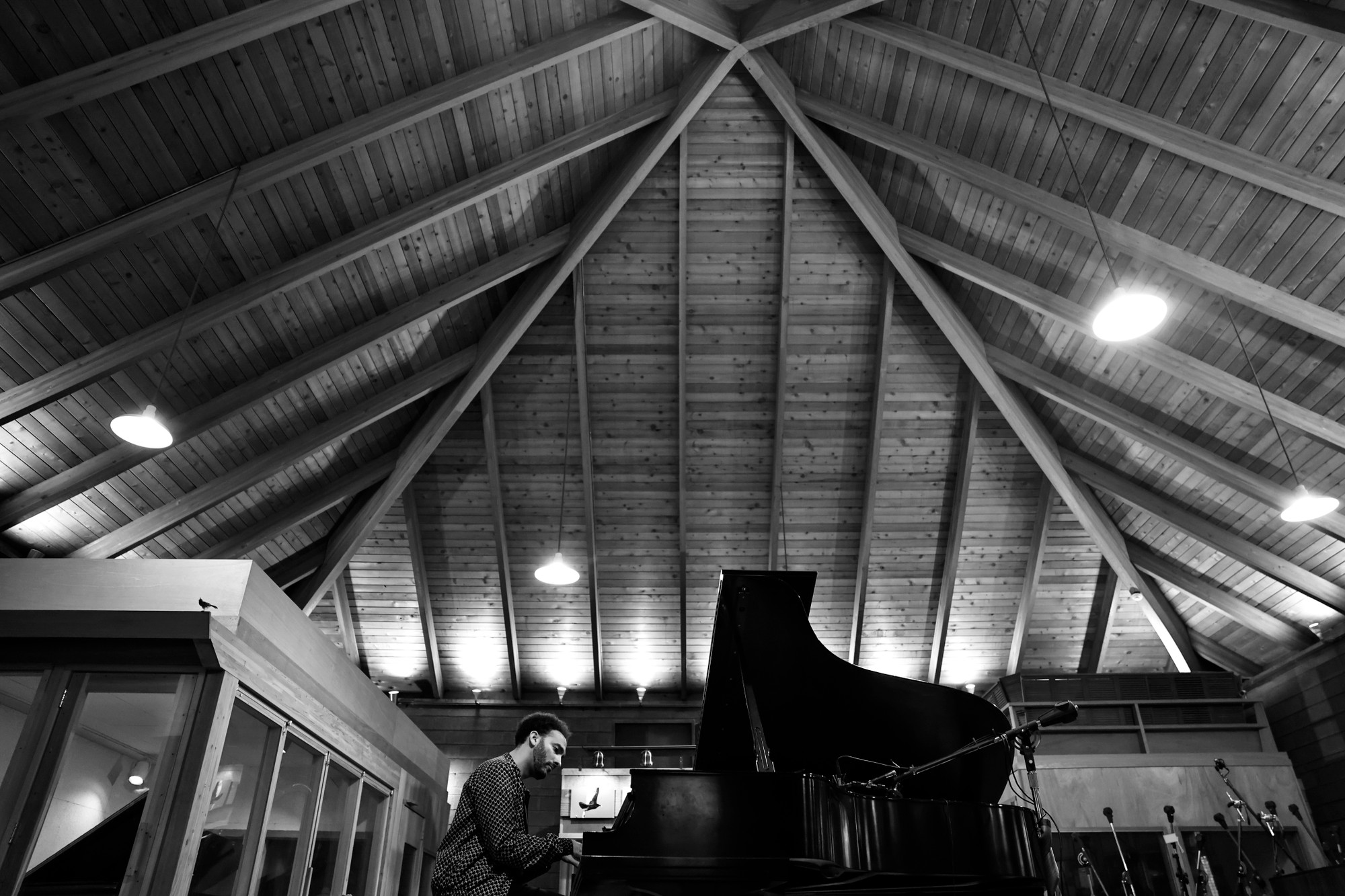
In 1959, Van Gelder designed and built a purpose-built studio in Englewood Cliffs, New Jersey — a structure influenced by Frank Lloyd Wright's architecture, with a cathedral-ceilinged main room that gave instruments space to breathe and a control room raised above the floor to provide the visual sight lines that Van Gelder considered essential for communication with performers. He installed a custom console and custom monitoring. The building was an expression of everything he had learned in the Hackensack living room, scaled up and given a proper acoustic context.
John Coltrane recorded 'A Love Supreme' at the Englewood Cliffs studio on 9 December 1964 — a single afternoon session that produced one of the most significant pieces of recorded music of the twentieth century. Van Gelder captured the quartet of Coltrane, McCoy Tyner, Jimmy Garrison, and Elvin Jones playing live in the room with an intimacy that made the listener feel present at the session. Every major jazz recording from 1953 through the 1970s bears the Van Gelder stamp: the depth and precision of the low end, the breath captured in the high end of a saxophone reed, the sense of physical proximity. Van Gelder continued engineering at Englewood Cliffs until his death on 25 August 2016, aged 91.
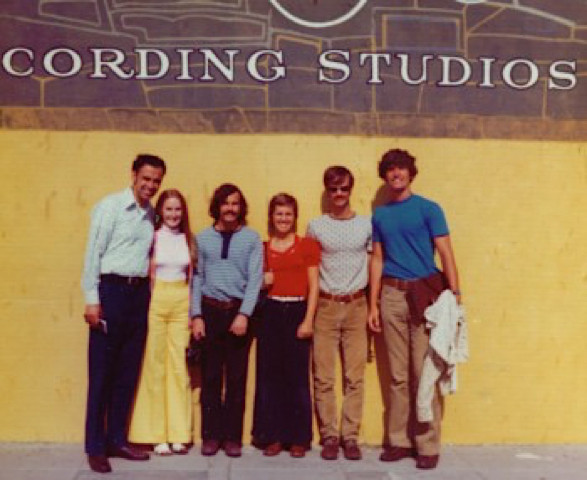
🇺🇸 Gold Star Studios
Santa Monica Boulevard, Hollywood, USA · est. 1950
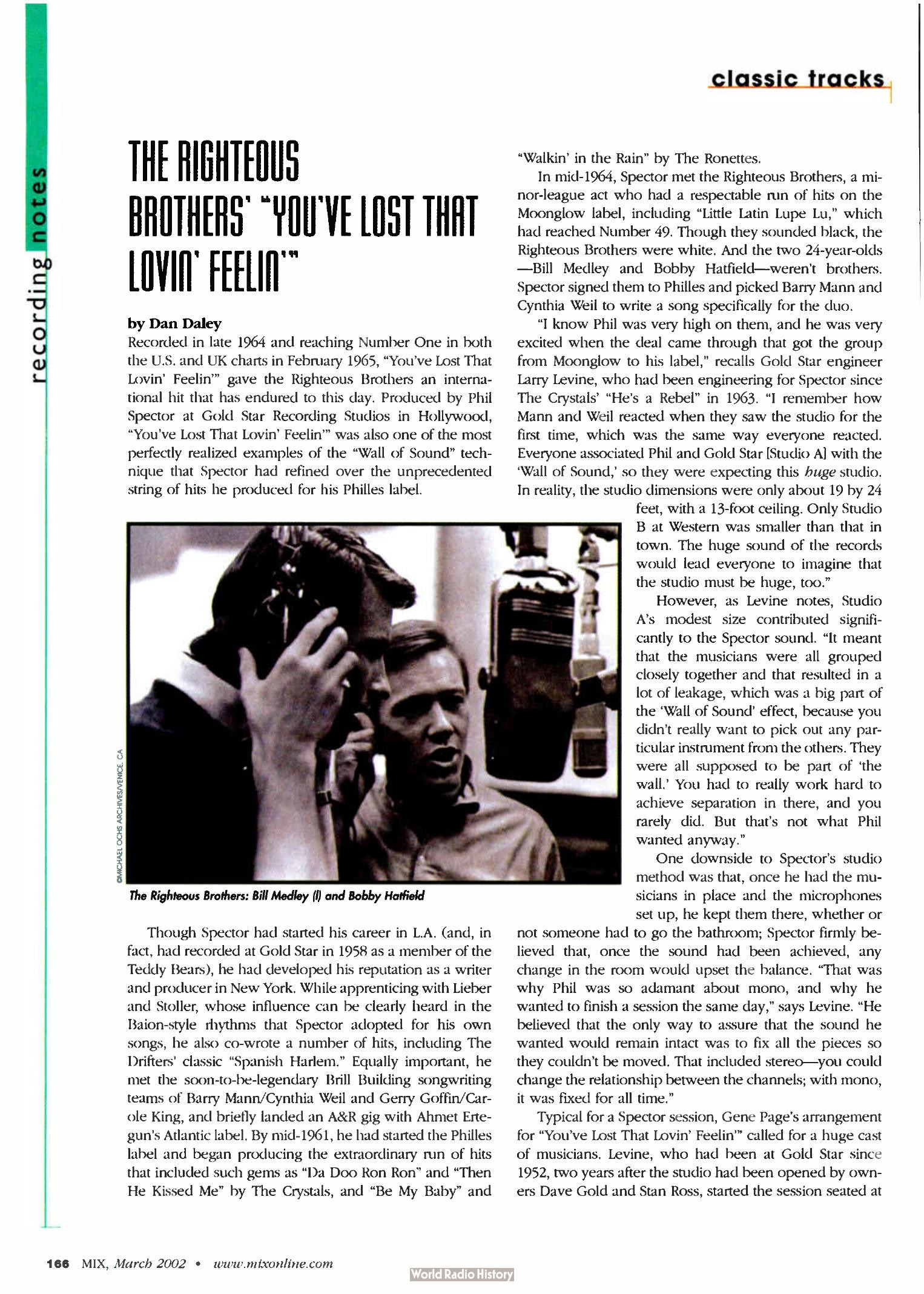
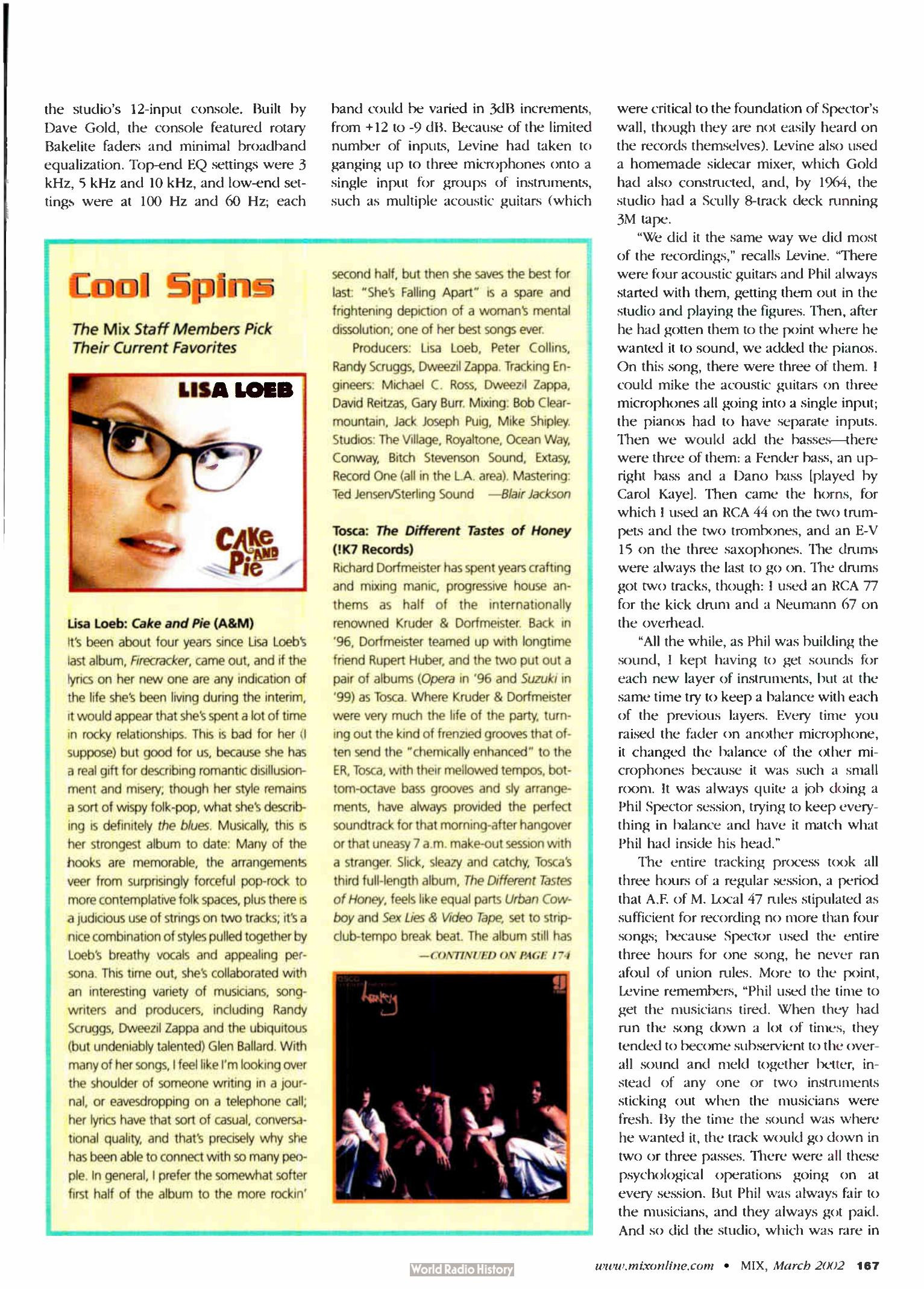
Gold Star Studios was built by Dave Gold and Stan Ross in 1950 in a converted building at 6252 Santa Monica Boulevard in Hollywood, and the echo chambers they designed into the basement became the most imitated sound in pop music. Phil Spector discovered Gold Star in the early 1960s and rented it virtually full-time thereafter, assembling his Wall of Sound with the Wrecking Crew — a rotating cast of Los Angeles's best session musicians — and the studio's unique basement reverb. The echo chambers used spring systems and specific room dimensions that Gold Star never fully documented; engineers who tried to replicate the sound in other rooms consistently failed.
The Ronettes' 'Be My Baby' (1963), the Crystals' 'Da Doo Ron Ron' (1963), and Ike & Tina Turner's 'River Deep – Mountain High' (1966) were all built from the Gold Star echo — a reverb so distinctive it constitutes a musical signature as identifiable as any instrument. Brian Wilson recorded the Beach Boys' classic material at Gold Star across the mid-1960s, recognising that the room's natural reverb gave his layered arrangements a depth no other Los Angeles studio could provide. 'Pet Sounds' (1966) was recorded primarily at Gold Star, as were 'Good Vibrations' and the 'Smile' sessions. Wilson and Spector both understood the same thing: the room was an instrument.
Sonny & Cher, Eddie Cochran, and Ritchie Valens all recorded classic singles there. Gold Star closed in 1984 when the building was vacated; a subsequent fire destroyed the structure, and a mini-mall was built on the site. Engineers, producers, and musicians who had worked there described the loss as the physical destruction of an irreplaceable acoustic artefact — a room that had helped define American pop for thirty years and whose specific character could never be recovered.
.jpg) RCA Studio B, Music Row, Nashville
RCA Studio B, Music Row, Nashville
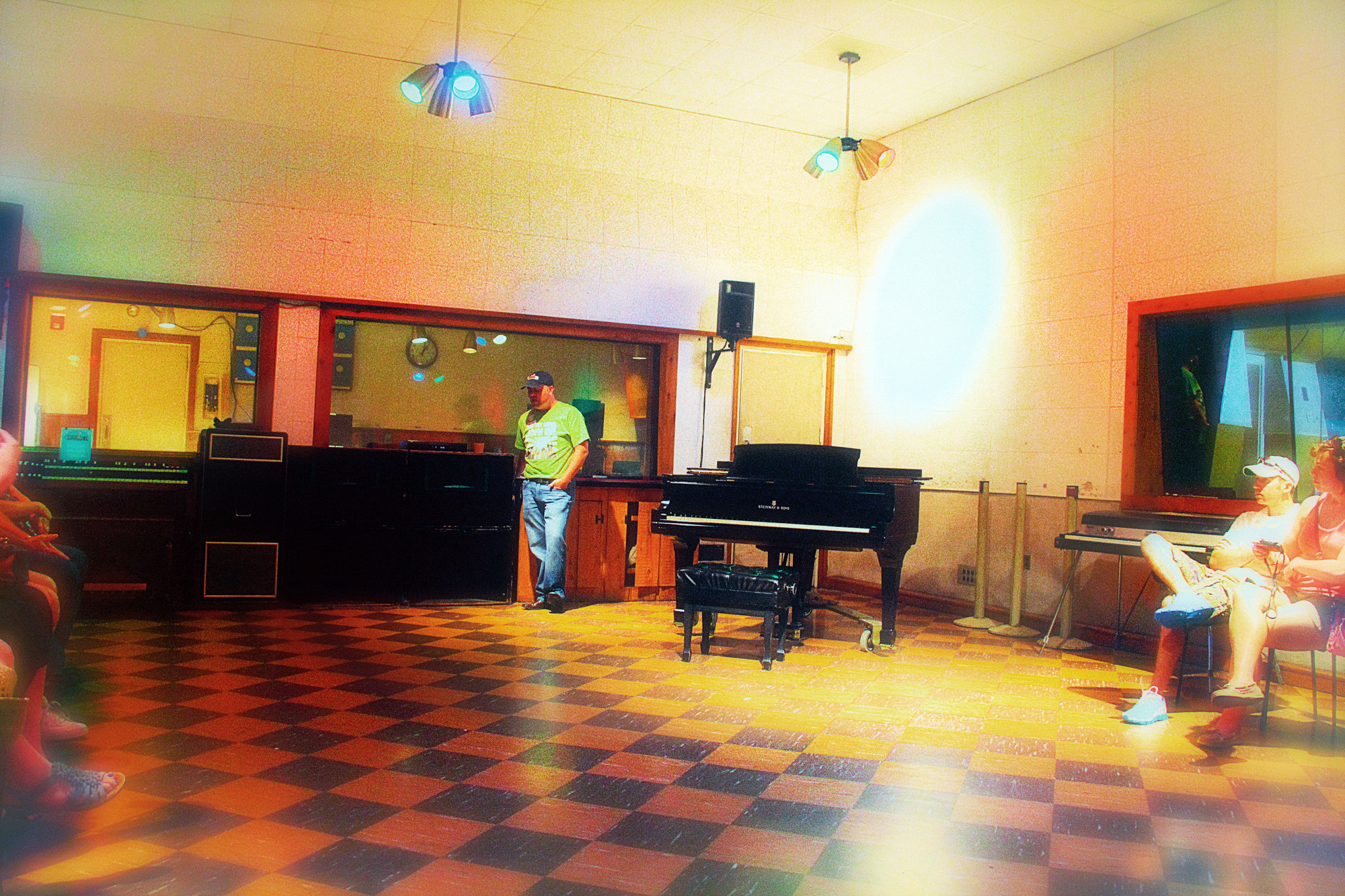 RCA Studio B — main recording room interior
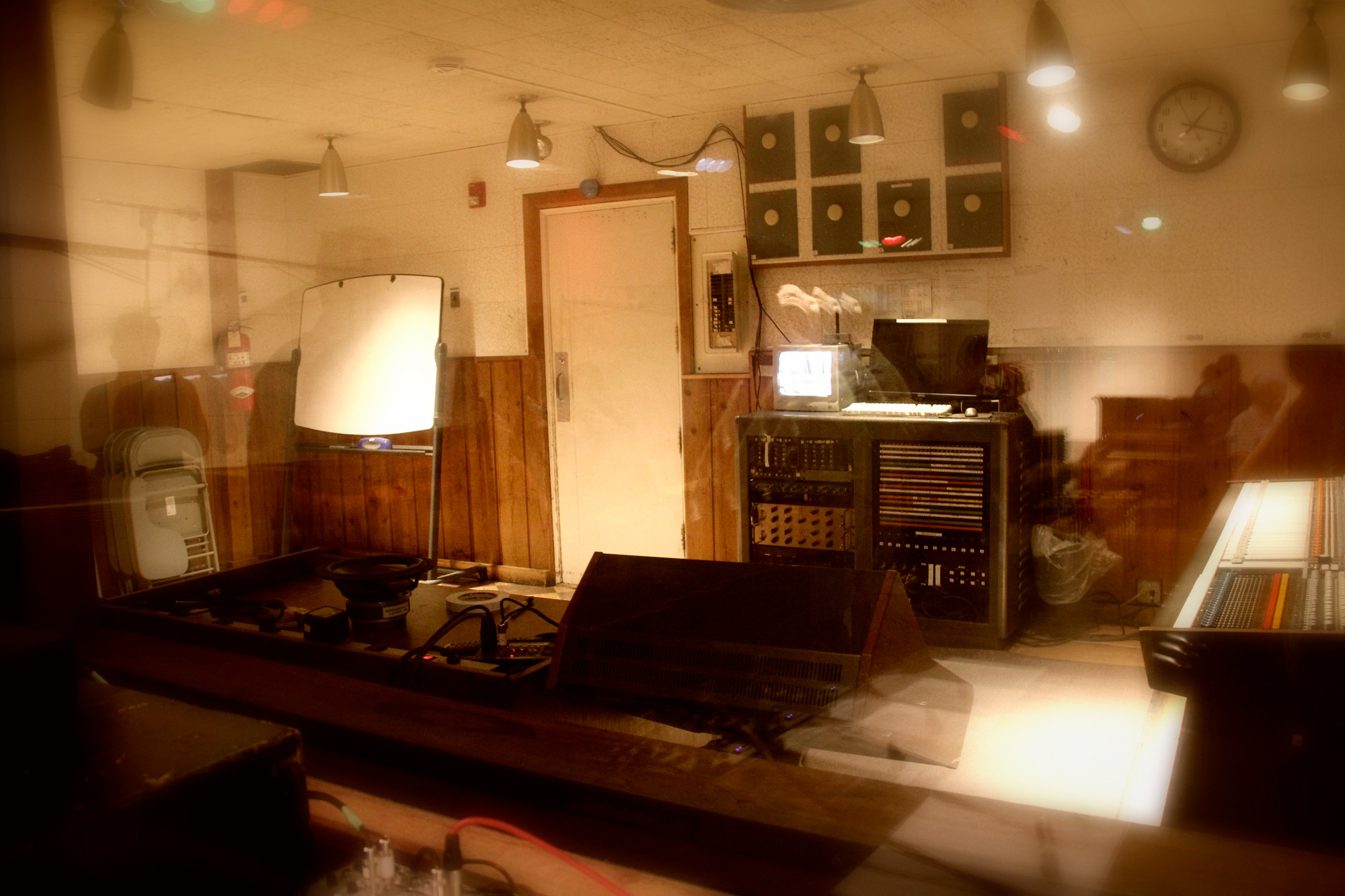 RCA Studio B — control room interior
.jpg) RCA Studio B recording console close-up
RCA Studio B recording console close-up
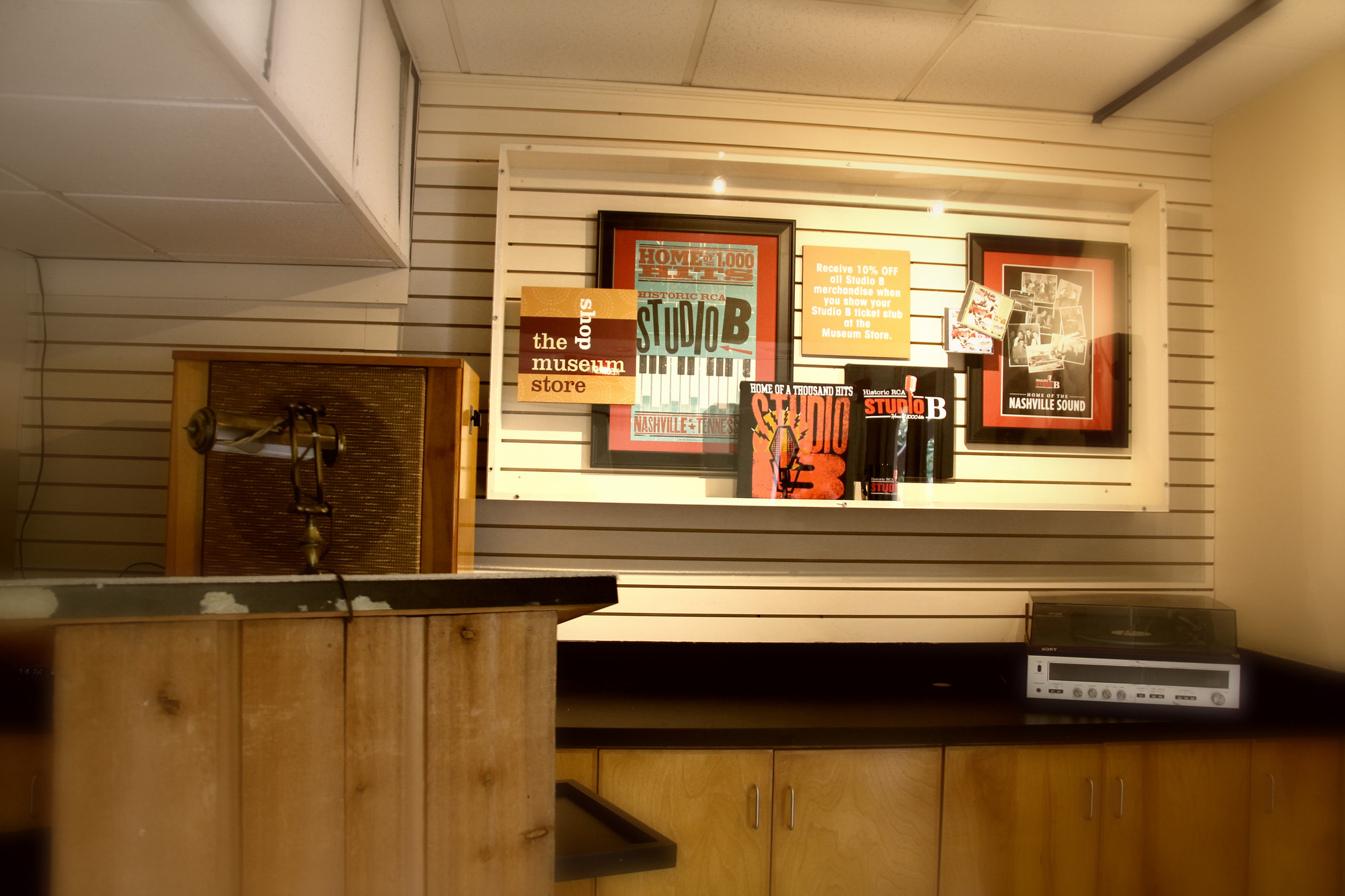 RCA Studio B — vocal booth interior
🇺🇸 RCA Studio B
Music Row, Nashville, Tennessee, USA · est. 1957
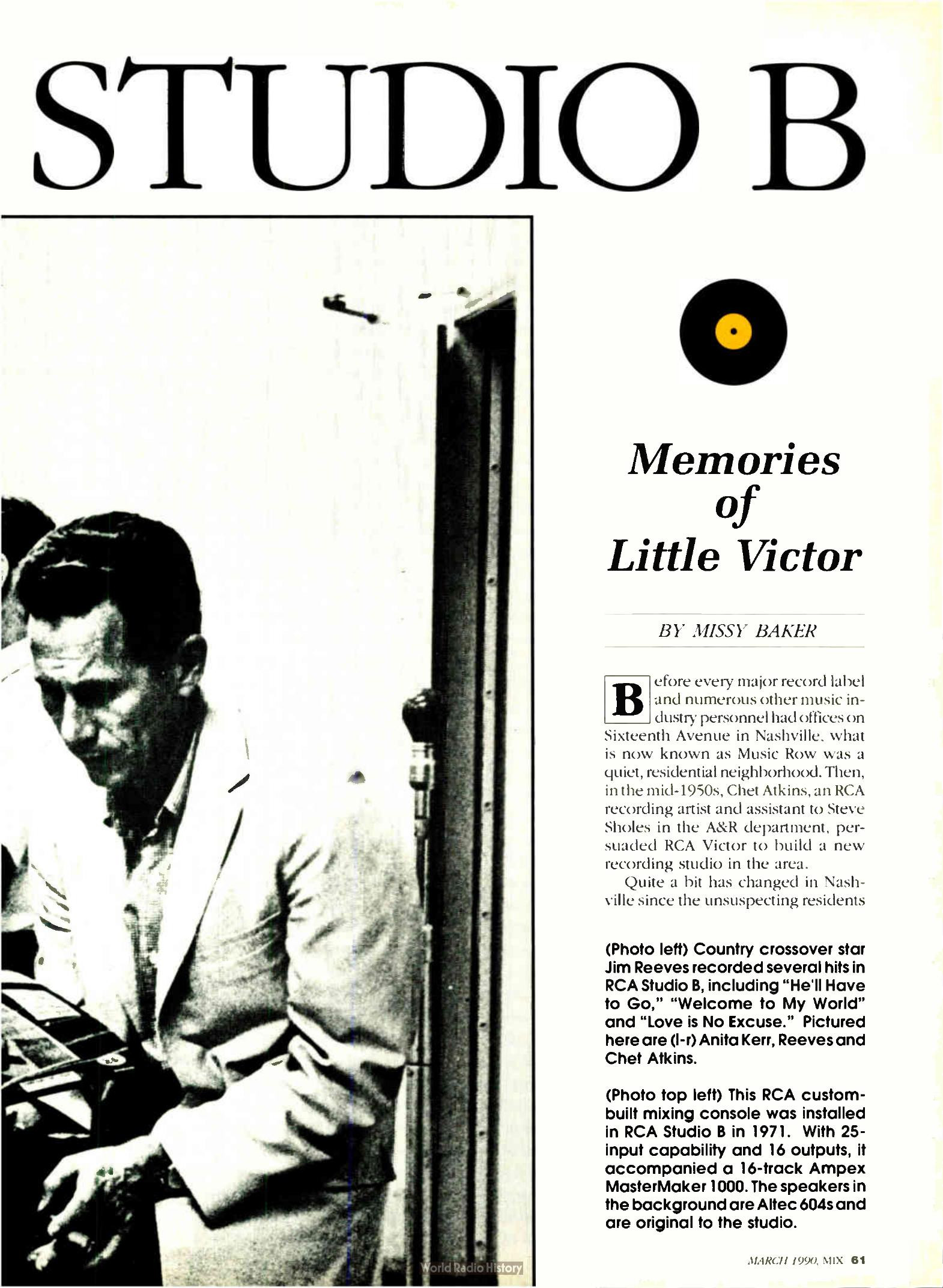
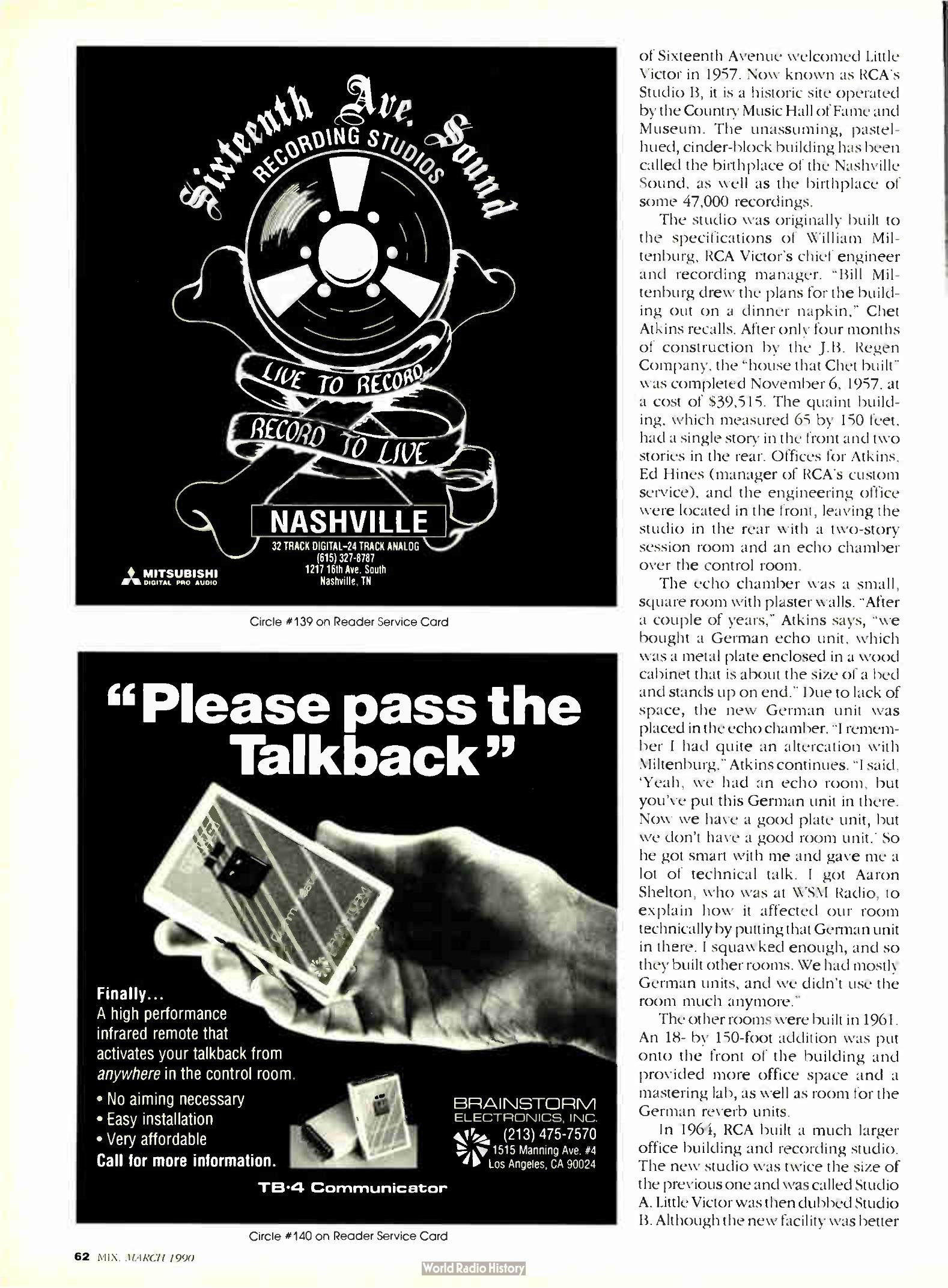
countrymusichalloffame.org/rca-studio-b ↗RCA Studio B opened on Music Row in Nashville in 1957, designed by RCA engineer Bill Porter with a deliberate acoustic philosophy: a live, slightly ambient room rather than the dry, controlled environments fashionable in New York and Los Angeles. Porter's stairwell echo chamber — a flight of stairs directly behind the control room — provided natural reverb that added presence and dimension without obscuring individual instruments. The combination of that acoustic character with the session musicians who played in the building consistently produced a warmth that Nashville's other facilities struggled to match.
Elvis Presley recorded more than 250 songs at Studio B between 1957 and 1971 — more than at any other facility. Working with producer Chet Atkins (who also served as RCA Nashville's label head) and engineer Bill Porter, Presley recorded 'Hound Dog', 'Heartbreak Hotel', 'Are You Lonesome Tonight?', and 'Suspicious Minds' in the building. Roy Orbison recorded 'Oh, Pretty Woman' at Studio B in 1964. Dolly Parton, Willie Nelson, Waylon Jennings, and Charley Pride all made career-defining work in the same room. The 'Nashville Sound' — the smooth, orchestrated country pop that replaced honky-tonk in the late 1950s and brought Nashville artists to mainstream pop audiences — was largely developed in this building.
Studio B was preserved when RCA closed the facility in 1977, and was subsequently donated to the Country Music Foundation, which operates it as a working heritage studio and museum as part of the Country Music Hall of Fame complex. Recording sessions are still held there using equipment from the period. The studio is a National Historic Landmark.
🇺🇸 Westlake Recording Studios
West Hollywood, California, USA · est. 1977
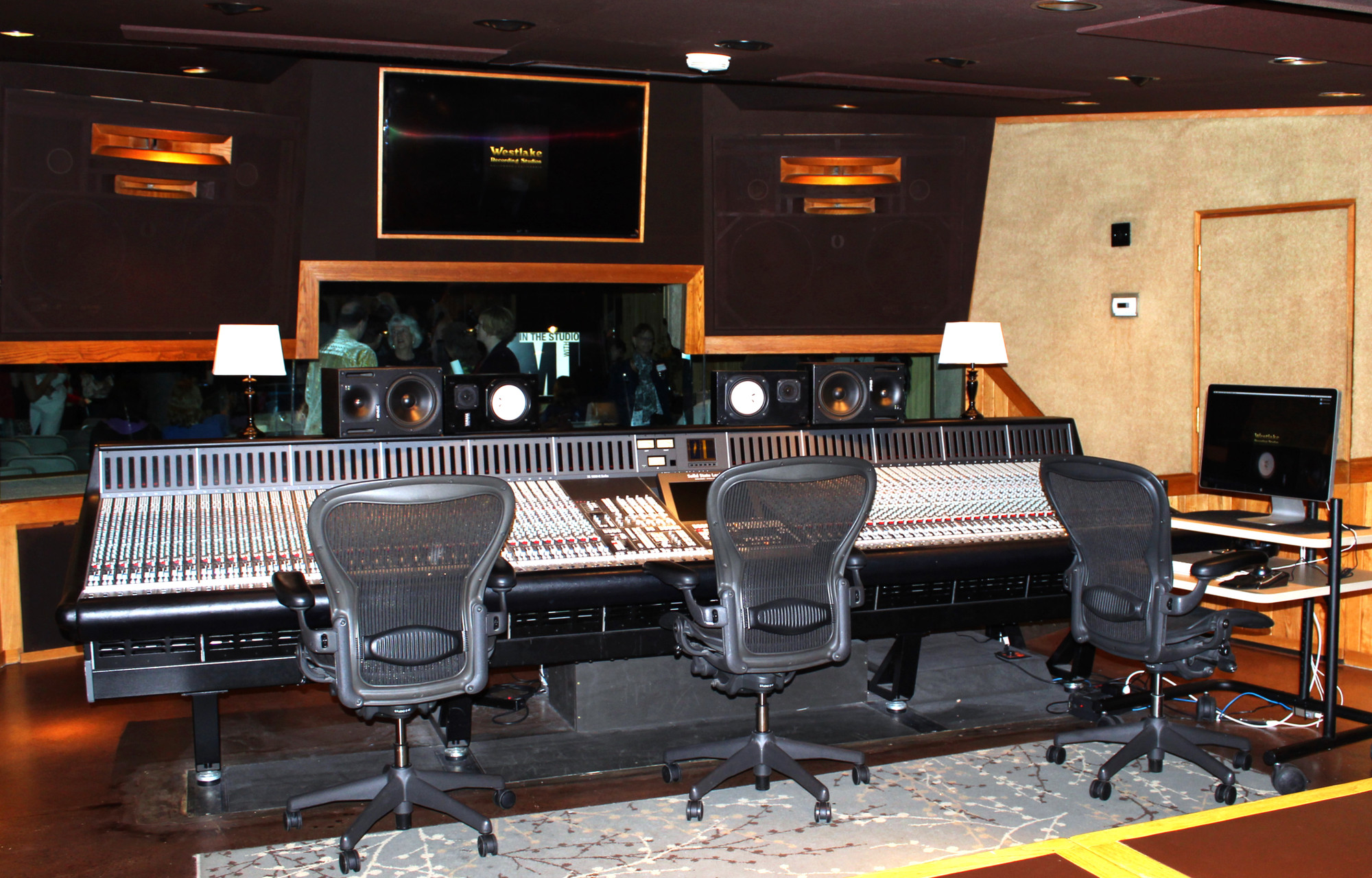
Westlake Recording Studios opened in West Hollywood in 1977 and quickly established itself among the premier facilities of the Los Angeles recording scene. Its acoustic design — large tracking rooms with exceptional isolation, control rooms built around the Westlake Audio monitoring systems that would become industry-standard reference speakers — attracted producers who needed both technical reliability and creative flexibility in the same building.
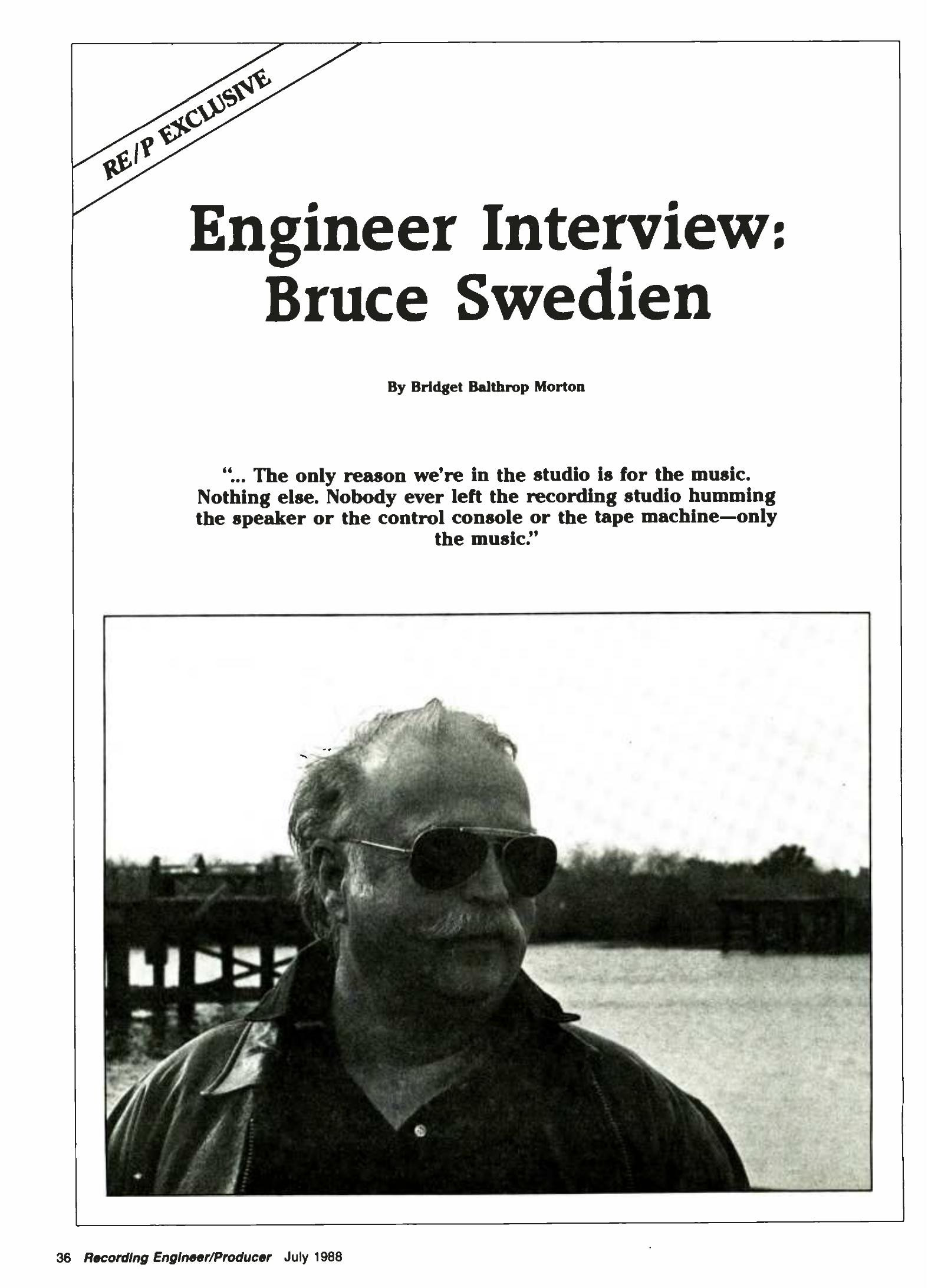
Michael Jackson recorded 'Thriller' at Westlake Studio B between April and November 1982, working with producer Quincy Jones and recording engineer Bruce Swedien. The album's $750,000 budget — extraordinary for the era — funded the meticulous arrangement and layered production approach that Westlake's isolation and acoustic quality facilitated. The final mixes were completed in the same building. 'Thriller' became the best-selling album in history, with estimated sales of over 70 million copies. Jackson returned to Westlake for 'Bad' (1987), maintaining the Jones / Swedien / Westlake axis across his commercial peak.
Quincy Jones's repeated use of Westlake established it as the home of the polished, expensive, precisely arranged pop production aesthetic of the 1980s. Kenny Rogers, Lionel Richie, Madonna, and Barbra Streisand all recorded major albums there. The Westlake Audio monitoring company — which had been founded alongside the studio — developed the series of studio reference monitors that became standard equipment in recording facilities worldwide, giving the Westlake name a reach far beyond any individual recording.
🇯🇲 King Tubby's Home Studio
Waterhouse, Kingston, Jamaica · est. 1971
Osbourne Ruddock — King Tubby — was a self-taught electronics engineer who built his own amplifiers, speaker systems, and transmitter equipment in the Waterhouse district of Kingston, Jamaica. His sound system, Tubby's Home Town Hi-Fi, competed with Coxsone Dodd's Downbeat and Duke Reid's Trojan for dominance of the outdoor dance circuit throughout the 1960s. The technical advantage that Tubby sought was not volume but control: the ability to manipulate the music as it played, to cut the bass in and out, to add delay, to drop the vocal and let the rhythm breathe. To do this he had to build his own custom mixing board — because no commercially available equipment could do what he needed.
Working from his home studio in Waterhouse, Tubby began creating 'versions' — instrumental remixes of existing reggae tracks — for the sound system dances. He would take a multitrack tape, remove the vocal, drop the bass drum in and out at unexpected moments, swell reverb into the empty space, and let the echo decay into silence before bringing the snare back. What he was inventing was the remix; the dub plate; the concept of the mixing board as a performance instrument played in real time. This happened in approximately 1968 and 1969, years before any commercial recording industry recognised what he was doing.
Dub reggae — the echo-saturated, bass-heavy instrumental form that Tubby and Lee 'Scratch' Perry developed through the 1970s — is the direct ancestor of electronic dance music, hip-hop production, and every subsequent DJ culture. House music, techno, drum and bass, jungle: each traces a creative lineage through King Tubby's Waterhouse studio. Tubby was shot outside his home on 6 February 1989. The building where he worked no longer stands. His influence on how recorded music is made — and what a mixing board can do — is incalculable.
🇬🇧 Hog Hill Mill (MPL Studios)
Peasmarsh, East Sussex, UK · est. 1990
Paul McCartney built Hog Hill Mill in a converted windmill on his farm in Peasmarsh, East Sussex, in the late 1980s — the facility was operational by 1990. The windmill structure, dating from the eighteenth century, was converted into a recording complex while retaining the building's architectural character: the mill's upper floors serve as the residential and relaxation spaces, while the recording rooms occupy purpose-built extensions alongside. The equipment — SSL 9000 J console, Studer A820 tape machines, a full outboard rack — was installed to a standard matching the best commercial studios in London.
'Flaming Pie' (1997) was recorded almost entirely at Hog Hill, with McCartney producing the album himself. The sessions included visits from Ringo Starr and Jeff Lynne, and a collaboration with Steve Miller on several tracks. McCartney and Miller had been friends since the early 1970s; Miller brought a loose, American rock feel to sessions that might otherwise have remained in McCartney's comfort zone. The album is widely regarded as McCartney's finest post-Beatles solo work, notable for its warmth, directness, and lack of the overproduction that had characterised his work through the 1980s.
The mill studio's isolation — rural East Sussex, no passing traffic, no industry pressure, no neighbours to disturb — gave McCartney the freedom to work at his own pace across his subsequent albums, including 'Driving Rain' (2001) and 'Chaos and Creation in the Backyard' (2005). His classical compositions, including 'Standing Stone' (1997) and 'Ecce Cor Meum' (2006), were developed there. Hog Hill Mill represents the professional maturation of the home-studio concept: a facility built for a single artist that provides everything a commercial studio can, within the artist's daily life rather than separate from it.
🇫🇷 EMI Pathé Marconi Studios
Boulogne-Billancourt, Paris, France · est. 1931
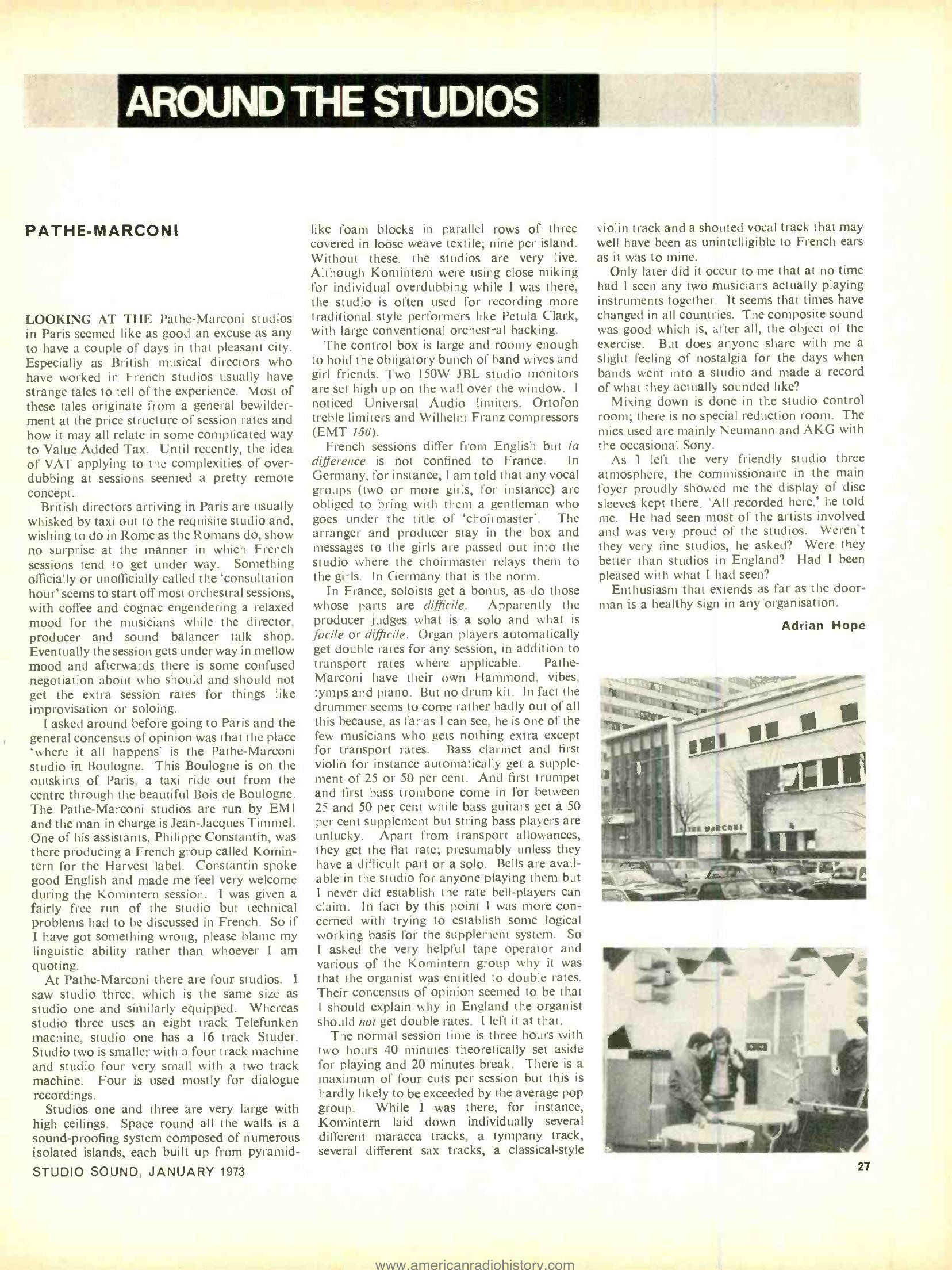
EMI Pathé Marconi — established in Boulogne-Billancourt, just outside Paris, initially by the Compagnie Générale du Gramophone and later absorbed into the EMI organisation — was the most important recording studio in France for five decades. The facility's large orchestral room, designed for the full arrangement style of French chanson with its string sections, woodwind, and layered choral arrangements, gave recordings a breadth and physical depth that smaller commercial studios could not achieve. The room's particular acoustic character — warm, spacious, slightly reverberant — is audible across decades of French popular music.
The studio captured the voice of Édith Piaf throughout her career. 'La Vie en Rose', 'Non, Je Ne Regrette Rien' (recorded in 1960), and 'Hymne à l'Amour' were all recorded in these rooms. Jacques Brel made his career-defining recordings at Pathé Marconi: 'Ne Me Quitte Pas', 'Amsterdam', and 'La Chanson des vieux amants' were all tracked here with full orchestral arrangements that the studio's acoustic size accommodated perfectly. Charles Aznavour, Yves Montand, Georges Brassens, and Juliette Gréco — the full register of the chansonniers who defined French popular music of the mid-twentieth century — recorded their most important work at the facility.
In later decades the studio attracted international artists, including David Bowie during his Paris period in the 1970s, and the Clash, whose sessions there contributed to 'Sandanista!' (1980). Serge Gainsbourg recorded several provocative and musically significant works there. The facility represented the European tradition of state-supported studio infrastructure built to serve a national music culture — a French counterpart to Abbey Road in England and Polar in Sweden. The studio's legacy is inseparable from the sound of French chanson: the orchestral warmth, the physical presence of Piaf's voice in a large room, remains one of the defining sounds of twentieth-century recorded music.
🇺🇸 Sound 80
Minneapolis, Minnesota, USA · est. 1969
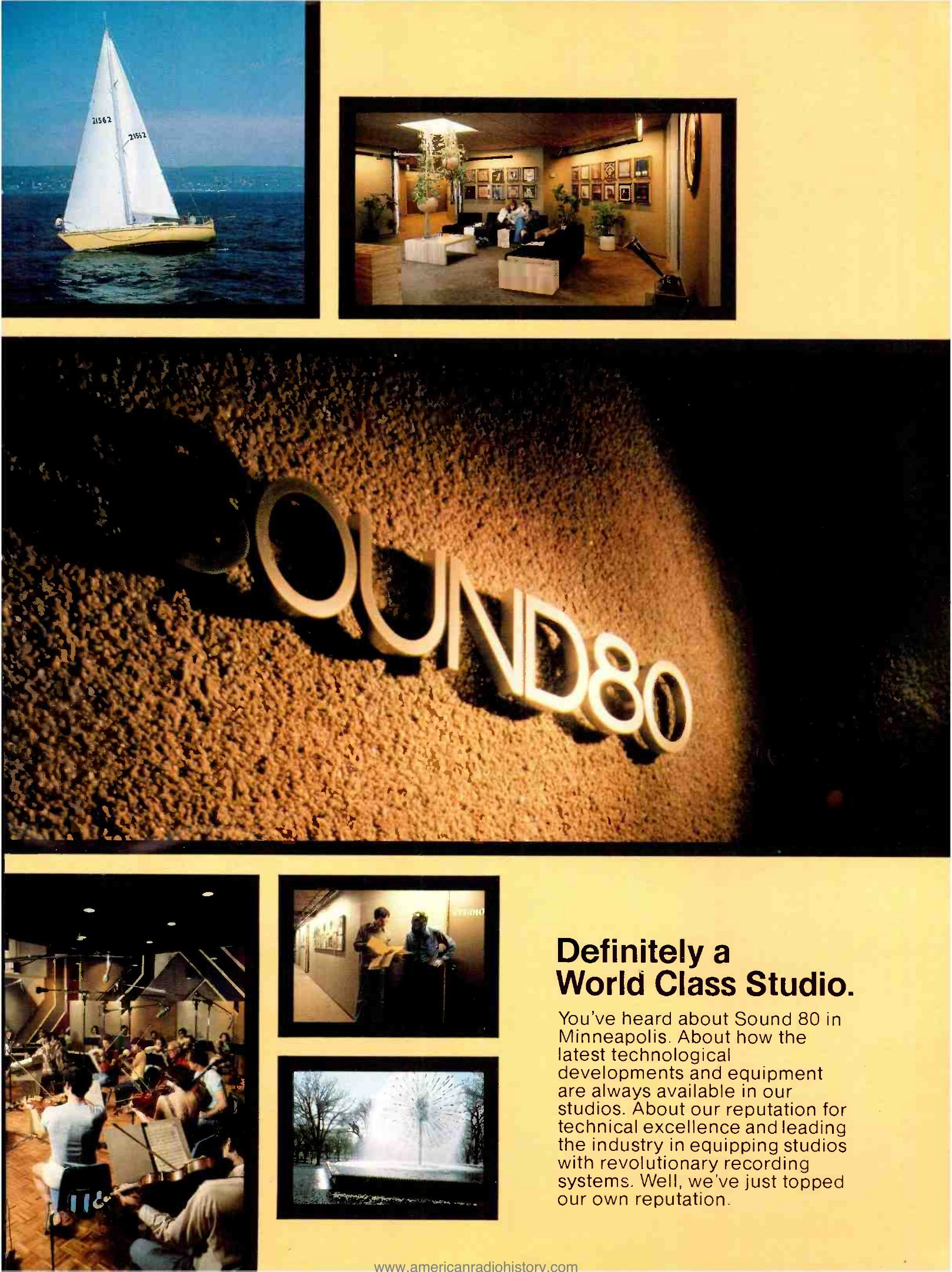
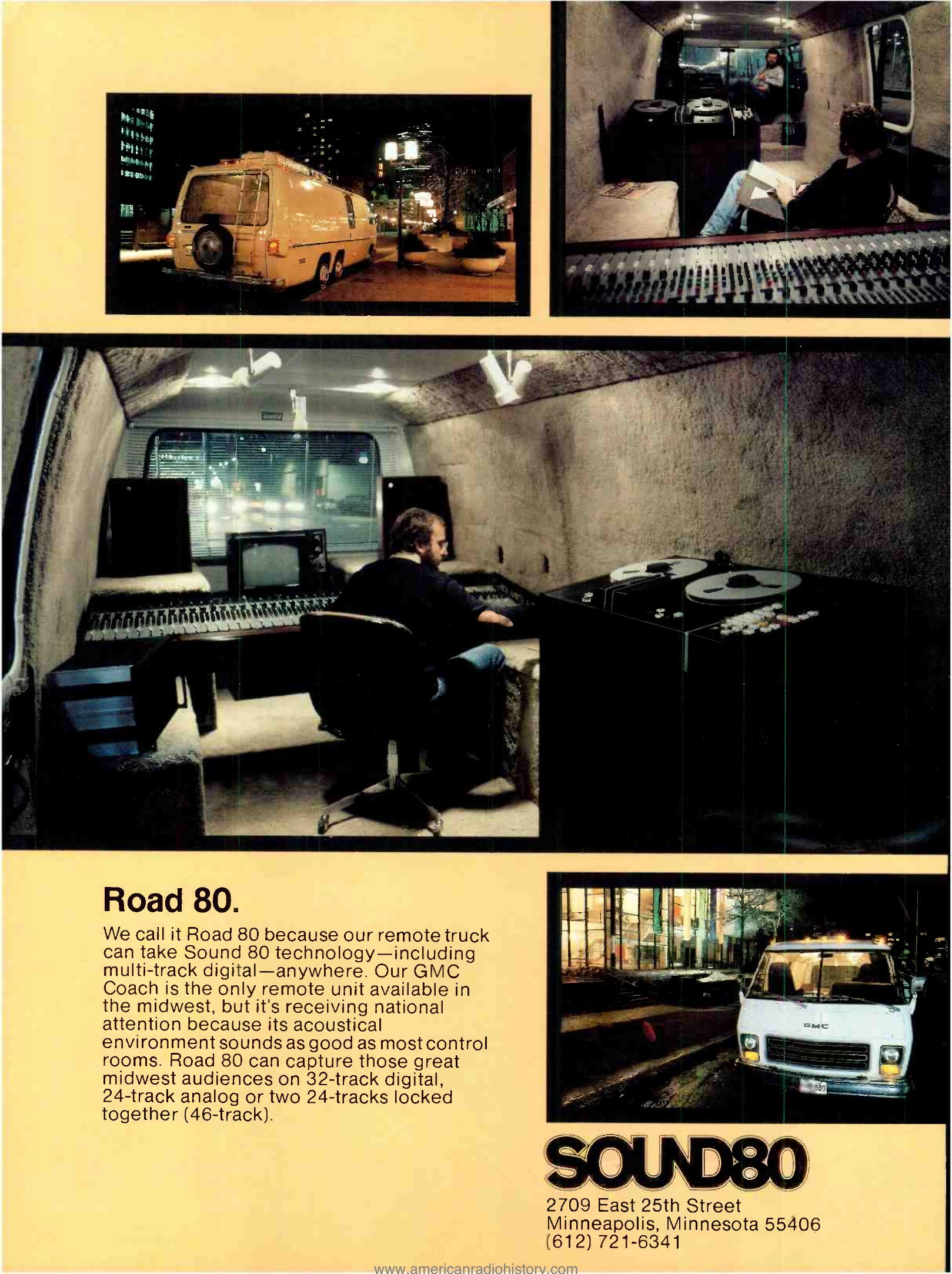
Sound 80 was founded in 1969 by engineer Tom Jung and composer-musician Herb Pilhofer in Minneapolis, and it rapidly became the most important recording studio in the American Midwest — a facility built for fidelity at a time when most regional studios were demo rooms. That reputation for sonic quality is what pulled national clients away from the coasts and into Minnesota throughout the 1970s, giving the city a recording landmark whose influence reached well beyond the upper Midwest.
The studio's catalogue spans an unusually wide range. In late December 1974, Bob Dylan — at his brother David's urging — abruptly re-recorded five of the ten songs on 'Blood on the Tracks' at Sound 80 with local Minneapolis musicians, and those Minnesota takes are the versions most listeners know. Cat Stevens cut 'Izitso' here in 1977; the same year a teenage Prince recorded the demo tapes that secured his Warner Bros. contract and became his debut album, 'For You'. In 1980 Lipps Inc. tracked 'Funkytown' at Sound 80 — a worldwide number-one and one of the defining disco singles of its era. Dave Brubeck, Leo Kottke, and the jazz-fusion group Flim & the BB's also recorded at the studio.
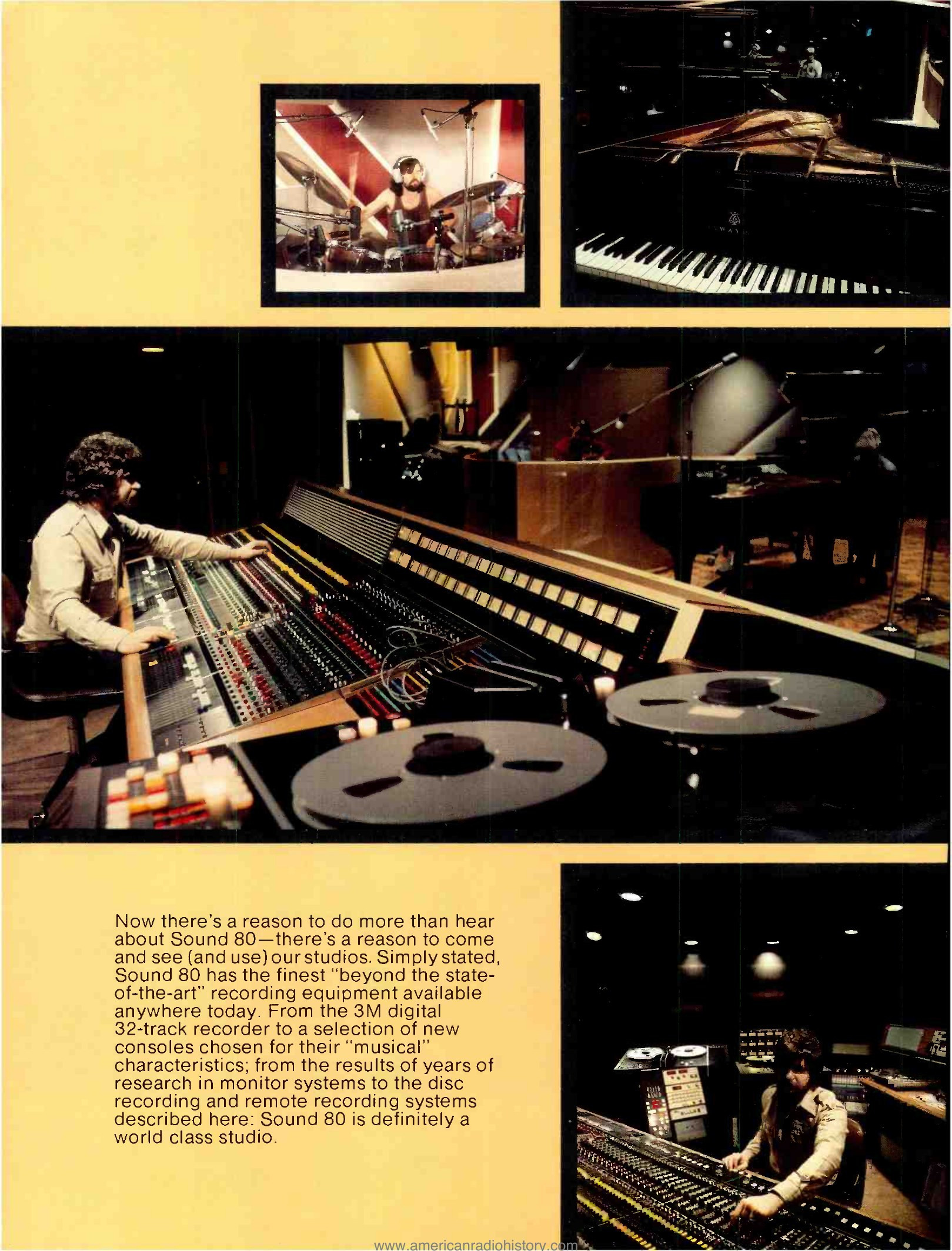
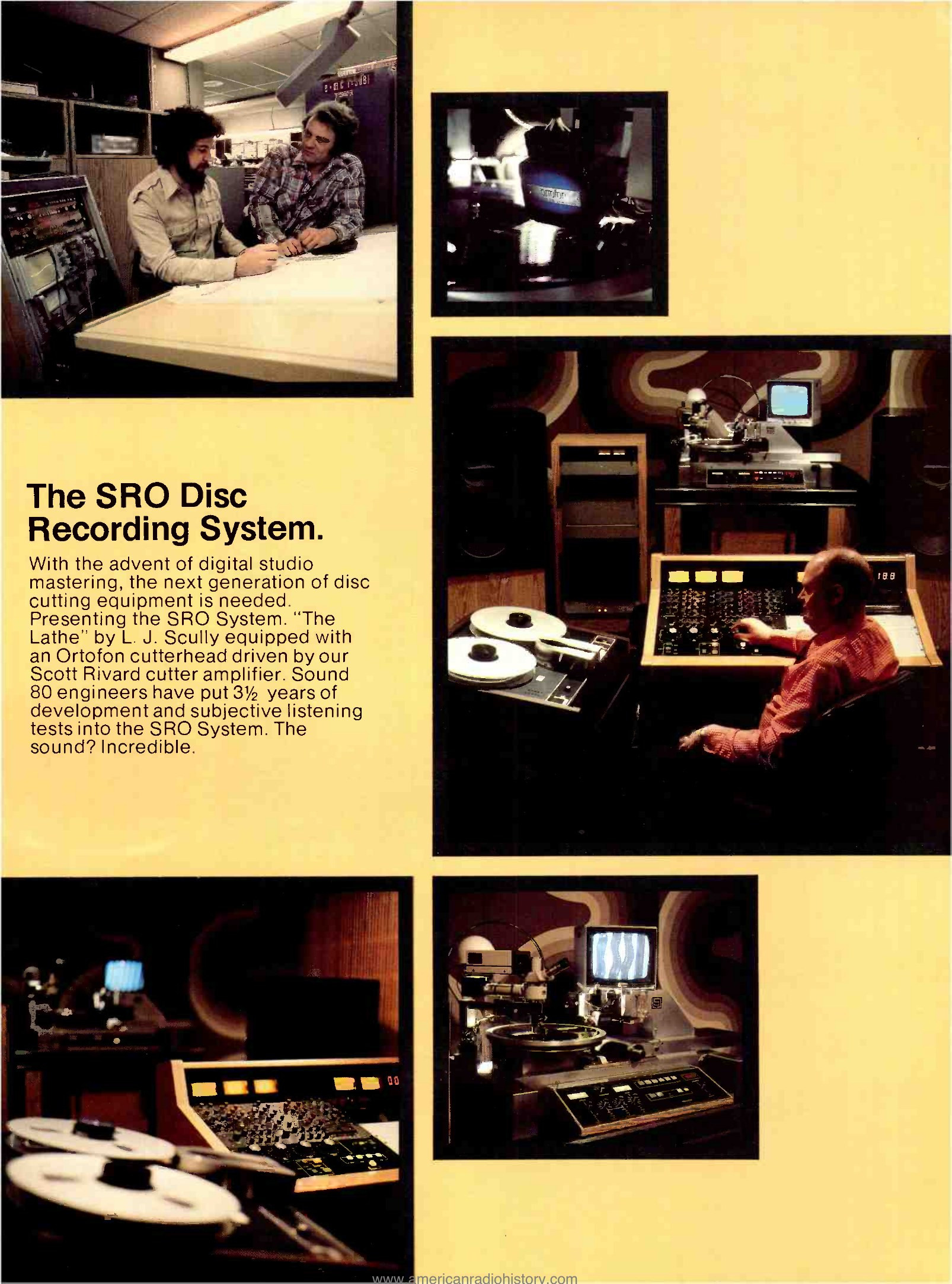
Sound 80's most lasting claim is technological. In the spring of 1978, 3M installed a prototype digital recording system at the studio — a 32-track machine nicknamed 'Herbie' after Pilhofer — and the Saint Paul Chamber Orchestra's recording of Copland's 'Appalachian Spring' and 'Short Symphony', paired with Ives's 'Symphony No. 3', became the first digital recording to win a Grammy (1979). Guinness later recognised Sound 80 as the oldest digital recording studio in the world. The building was sold in 1990 and now houses Orfield Laboratories, whose anechoic chamber has twice been certified by Guinness as the quietest place on Earth. Sound 80 was added to the National Register of Historic Places in 2020.
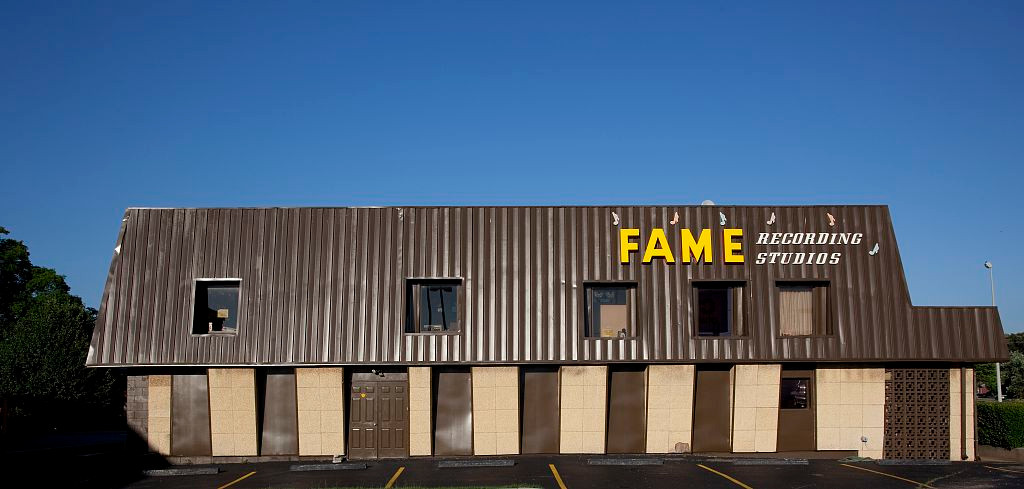
🇺🇸 FAME Studios
Muscle Shoals, Alabama, USA · est. 1959
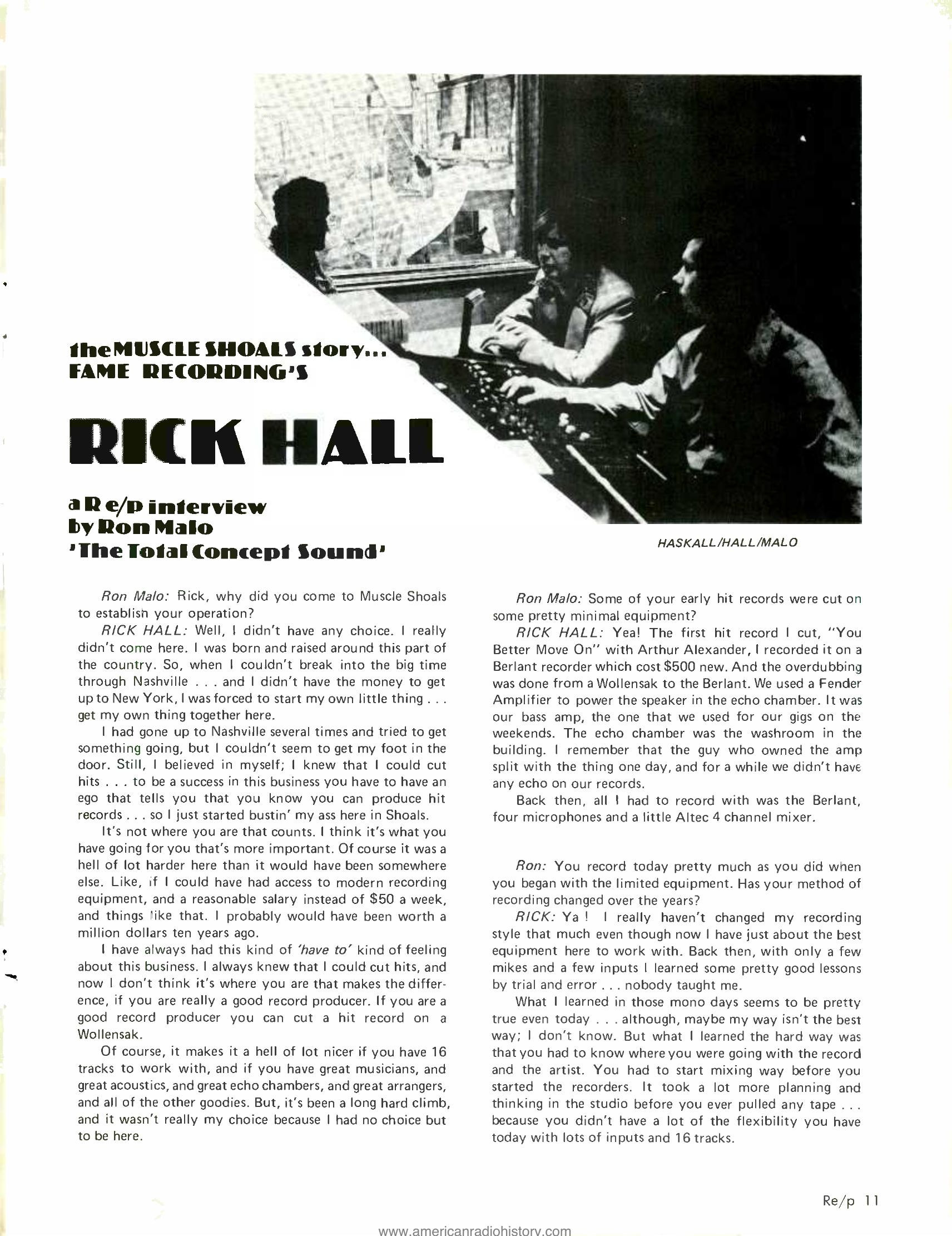
FAME — Florence Alabama Music Enterprises — was founded by Rick Hall, initially in partnership with Tom Stafford and Billy Sherrill, in 1959. After the partners split, Hall built the studio at 603 East Avalon Avenue in Muscle Shoals in 1961, its echo chambers designed by the Nashville producer Owen Bradley; that small room — a long way from New York and Los Angeles — became the engine of the gritty Southern-soul sound that drew Atlantic Records and a stream of stars to rural northwest Alabama.
Arthur Alexander gave the studio its first hit with 'You Better Move On' in 1961. The defining moment came in January 1967, when Aretha Franklin cut 'I Never Loved a Man (The Way I Love You)' at FAME with the local rhythm section and finally found her sound. Wilson Pickett, Etta James, Clarence Carter and Jimmy Hughes all recorded here, carried by the tight, unshowy playing of the FAME house band.
In 1969 the four core members of that rhythm section — the players later nicknamed the Swampers — left to open their own Muscle Shoals Sound Studio a few miles away in Sheffield, turning one studio town into two. FAME never closed: still owned by the Hall family, it remains a working studio and a registered historic site more than sixty years on.
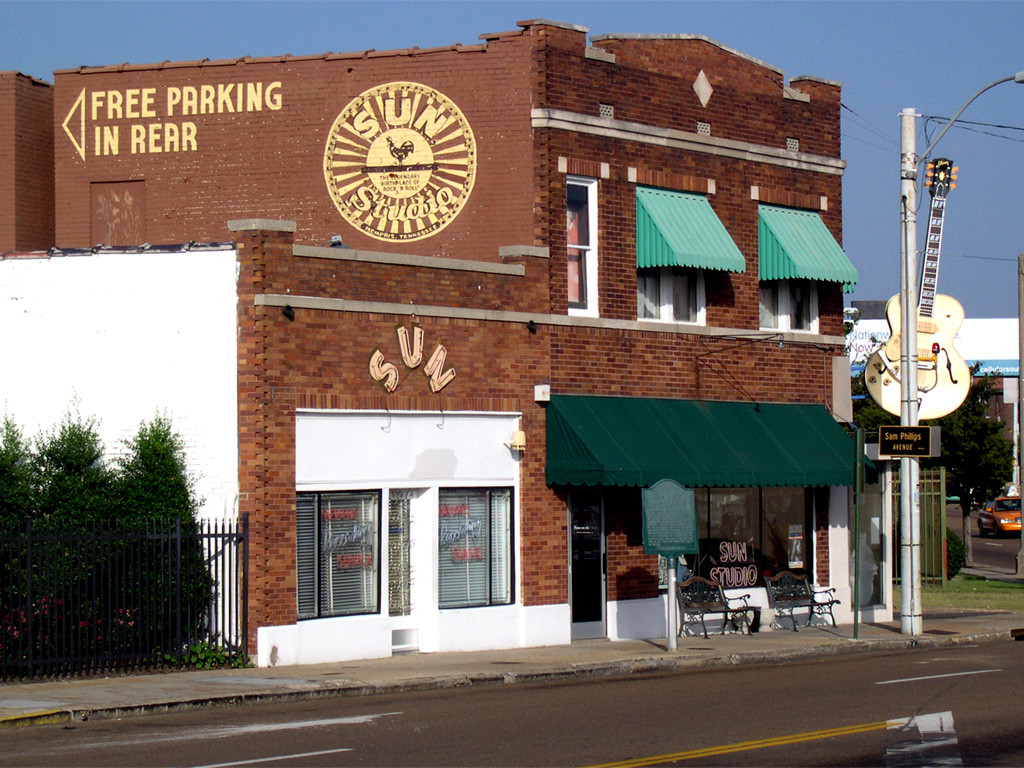
🇺🇸 Sun Studio
Memphis, Tennessee, USA · est. 1950
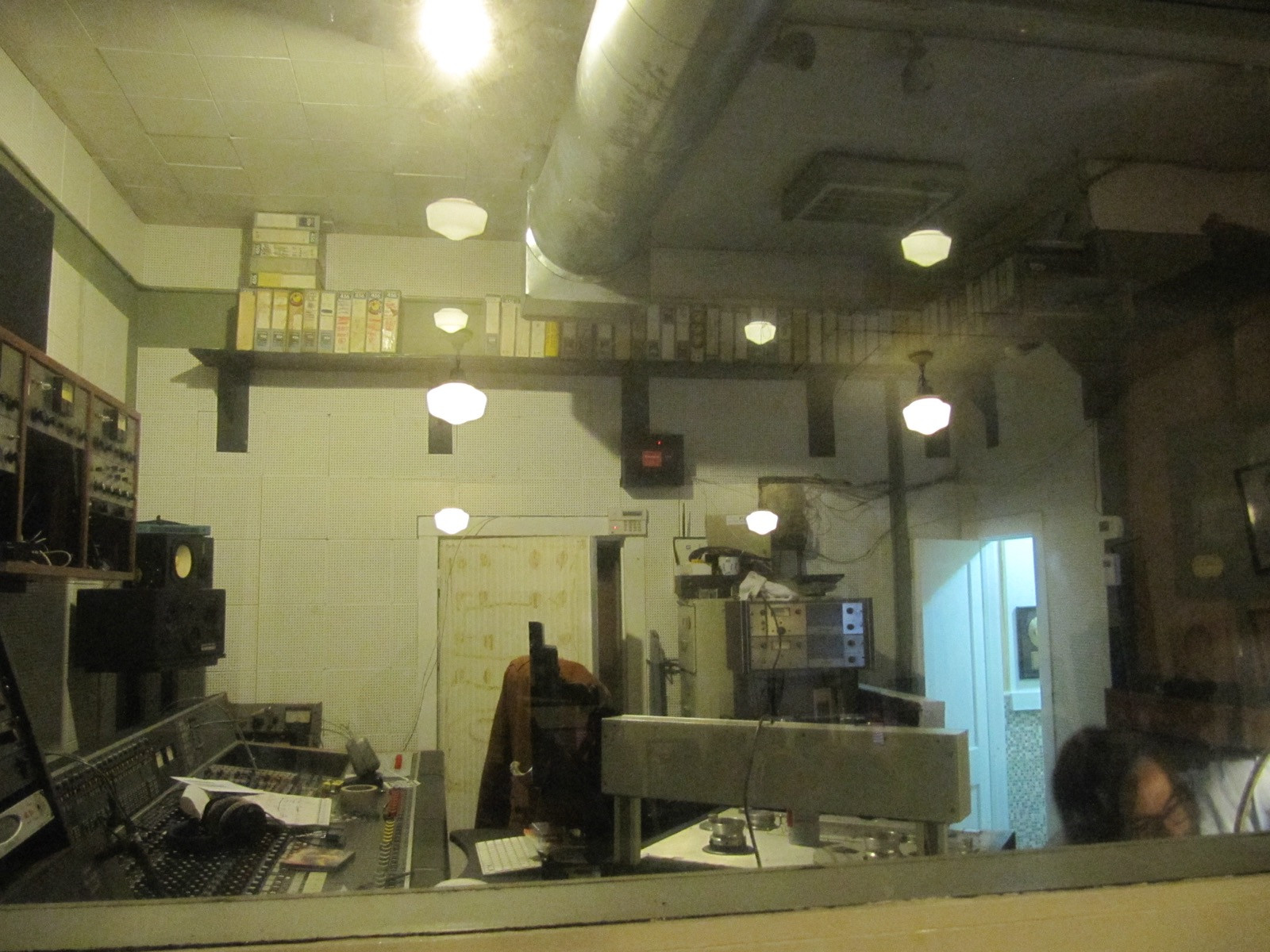
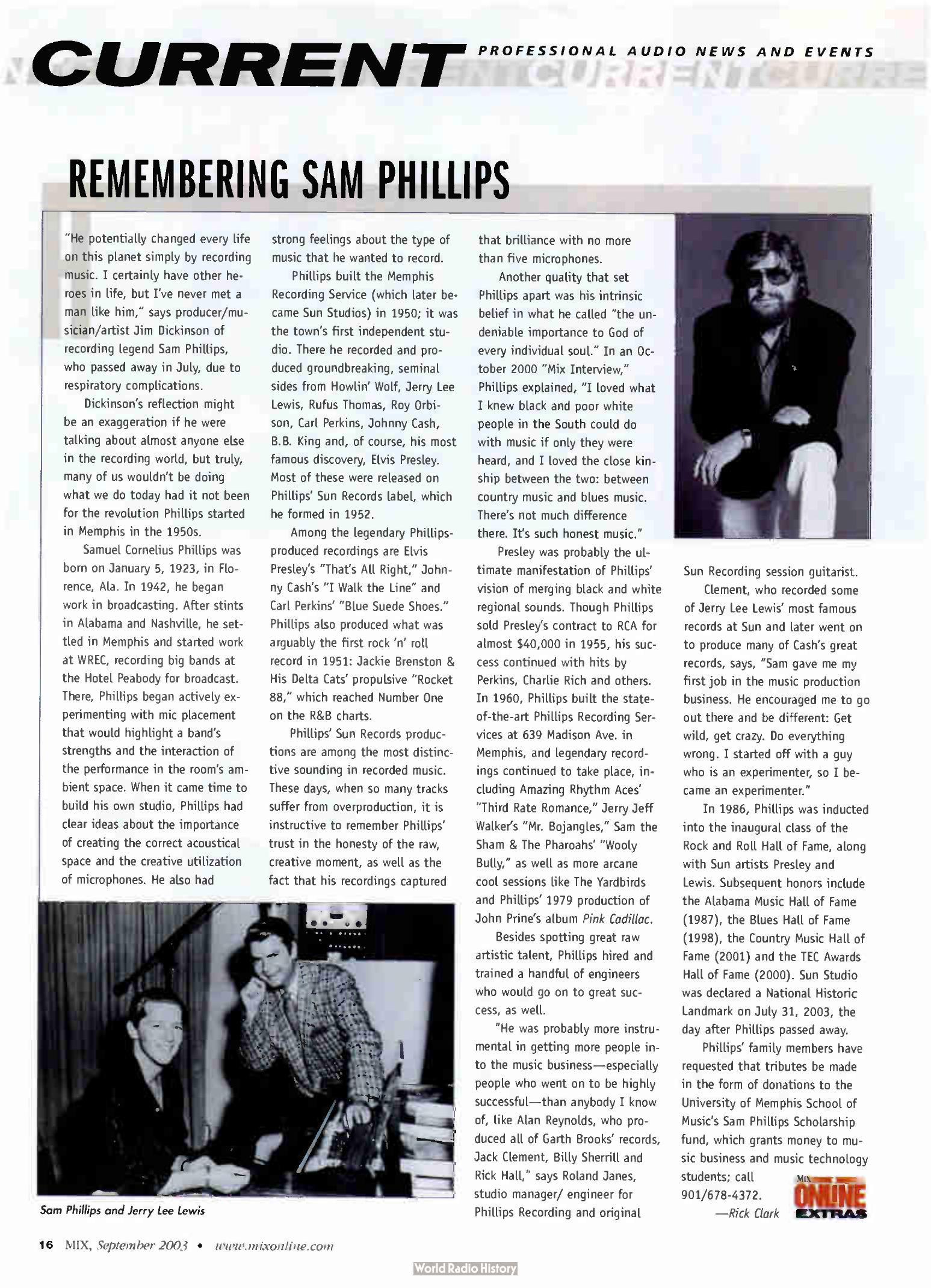
Sam Phillips opened the Memphis Recording Service at 706 Union Avenue on 3 January 1950, offering to record 'anything, anywhere, anytime'. The Sun Records label followed in 1952, and the tiny storefront room became the place where blues, country and R&B collided into something new.
Phillips recorded Jackie Brenston and his Delta Cats' 'Rocket 88' here in 1951 — a side often cited as the first rock and roll record — and B.B. King and Howlin' Wolf cut early sides in the room. On 5 July 1954 a young truck driver named Elvis Presley recorded 'That's All Right', and over the next few years Sun launched Johnny Cash, Carl Perkins, Roy Orbison and Jerry Lee Lewis. On 4 December 1956 Presley, Perkins, Lewis and Cash crowded in together for the impromptu session remembered as the Million Dollar Quartet.
Sun's signature sound was its slapback echo — Phillips ran two Ampex 350 recorders so the second replayed the signal a fraction of a second later, thickening every vocal — heard all over the label's rockabilly records. The original building at 706 Union reopened as a working studio and museum in 1987 and was designated a National Historic Landmark in 2003.
🇺🇸 Hitsville U.S.A. (Motown Studio A)
Detroit, Michigan, USA · est. 1959
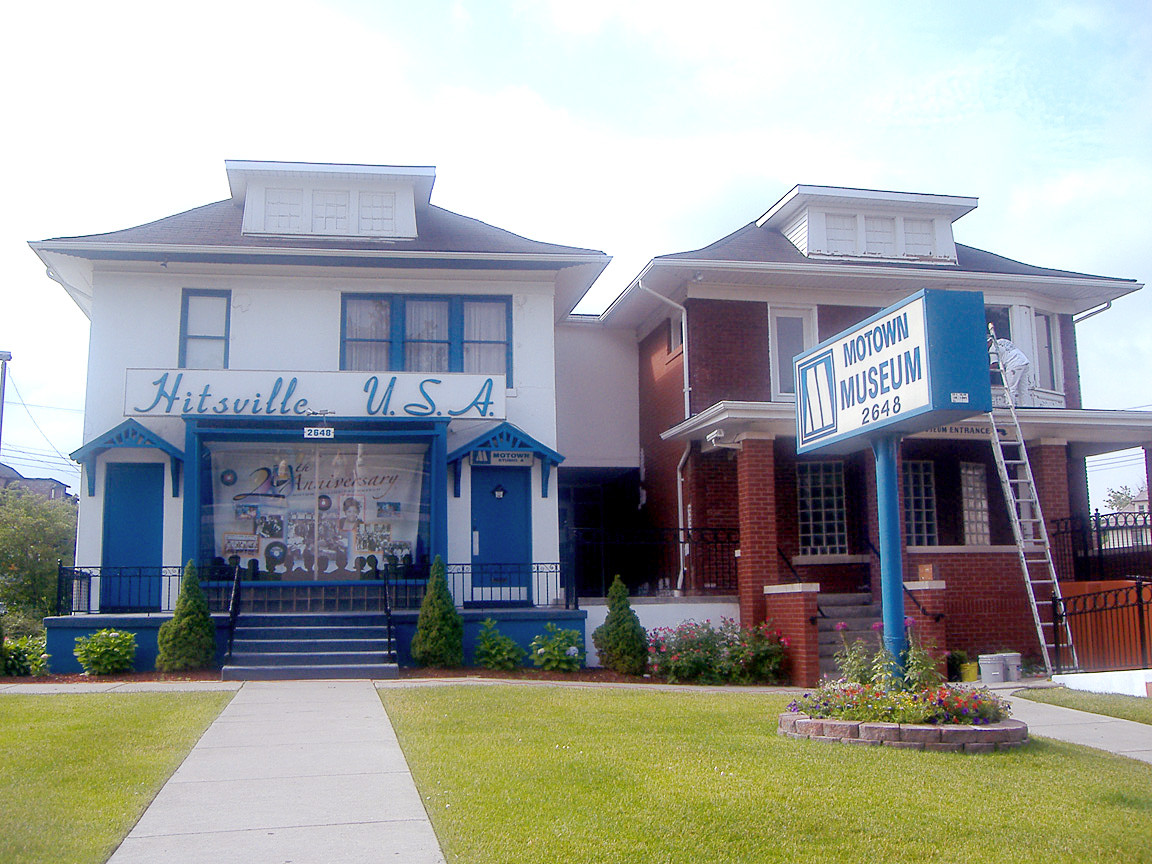
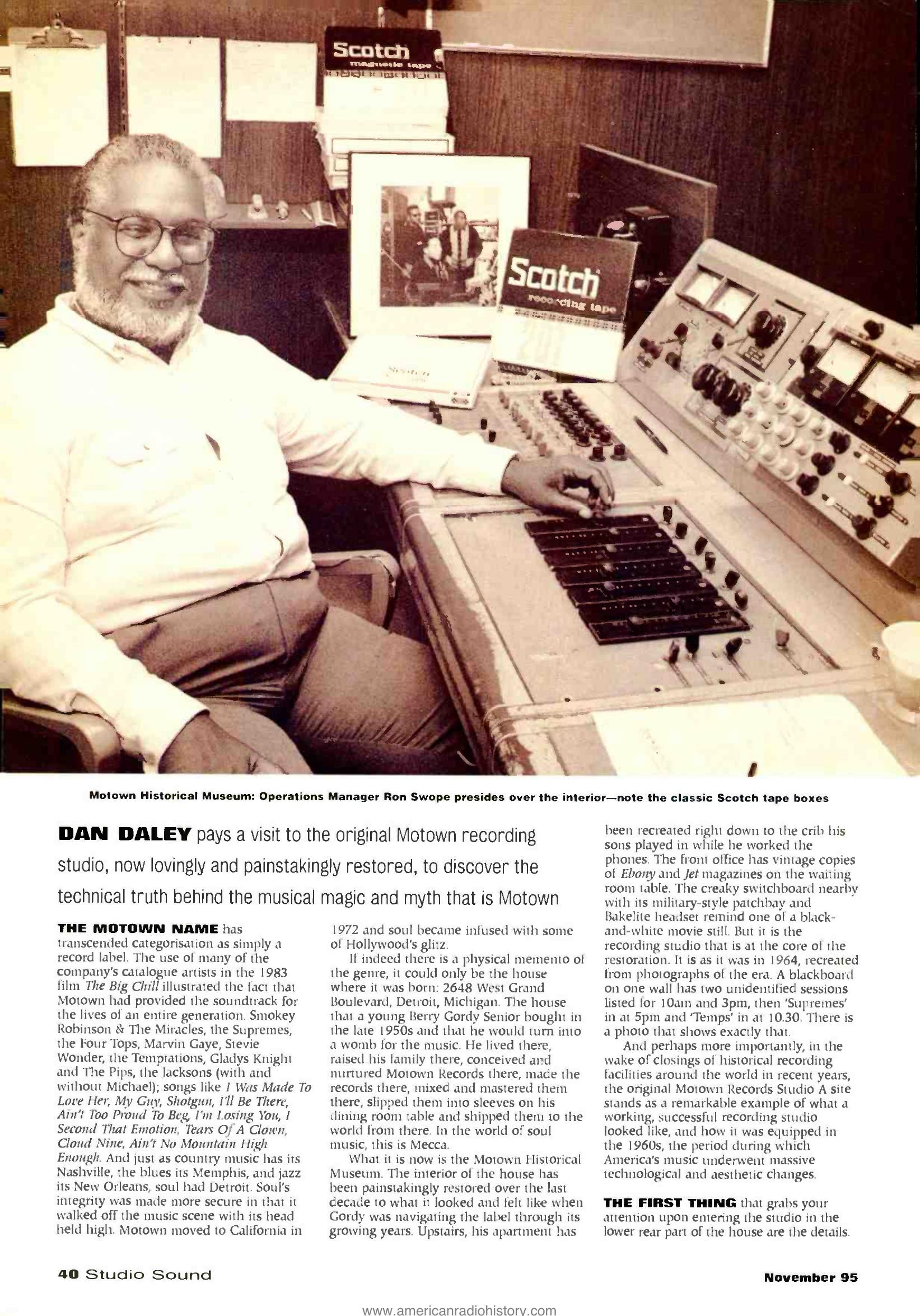
In 1959 Berry Gordy bought a modest house at 2648 West Grand Boulevard in Detroit, hung a sign reading 'Hitsville U.S.A.' across the front, and converted the back of the house into a recording room — Studio A. From here Motown ran a hit factory that scored 110 US Top 10 singles between 1961 and 1971.
Studio A and the label's house band, the Funk Brothers, were behind the records that defined the Motown sound: the Supremes, the Temptations, the Four Tops, Marvin Gaye, Stevie Wonder, Smokey Robinson and the Miracles, Martha and the Vandellas and Gladys Knight and the Pips all cut hits in the room. The Temptations recorded 'My Girl', written by Smokey Robinson and Ronald White, across three sessions at Hitsville in the autumn of 1964.
The 'Motown Sound' had a technical signature too: an echo chamber built into the attic above Studio A by Berry Gordy's father, and a sel-sync eight-track tape machine that chief engineer Mike McLean built in-house by late 1964 — well ahead of most professional studios.
Studio A ran almost continuously from 1959 until 1972, when Gordy moved Motown's operations to Los Angeles. The Detroit building was preserved and opened as the Motown Museum in 1985, with Studio A — and its Hammond B3 organ and 1877 Steinway grand piano — kept largely as the musicians left it.
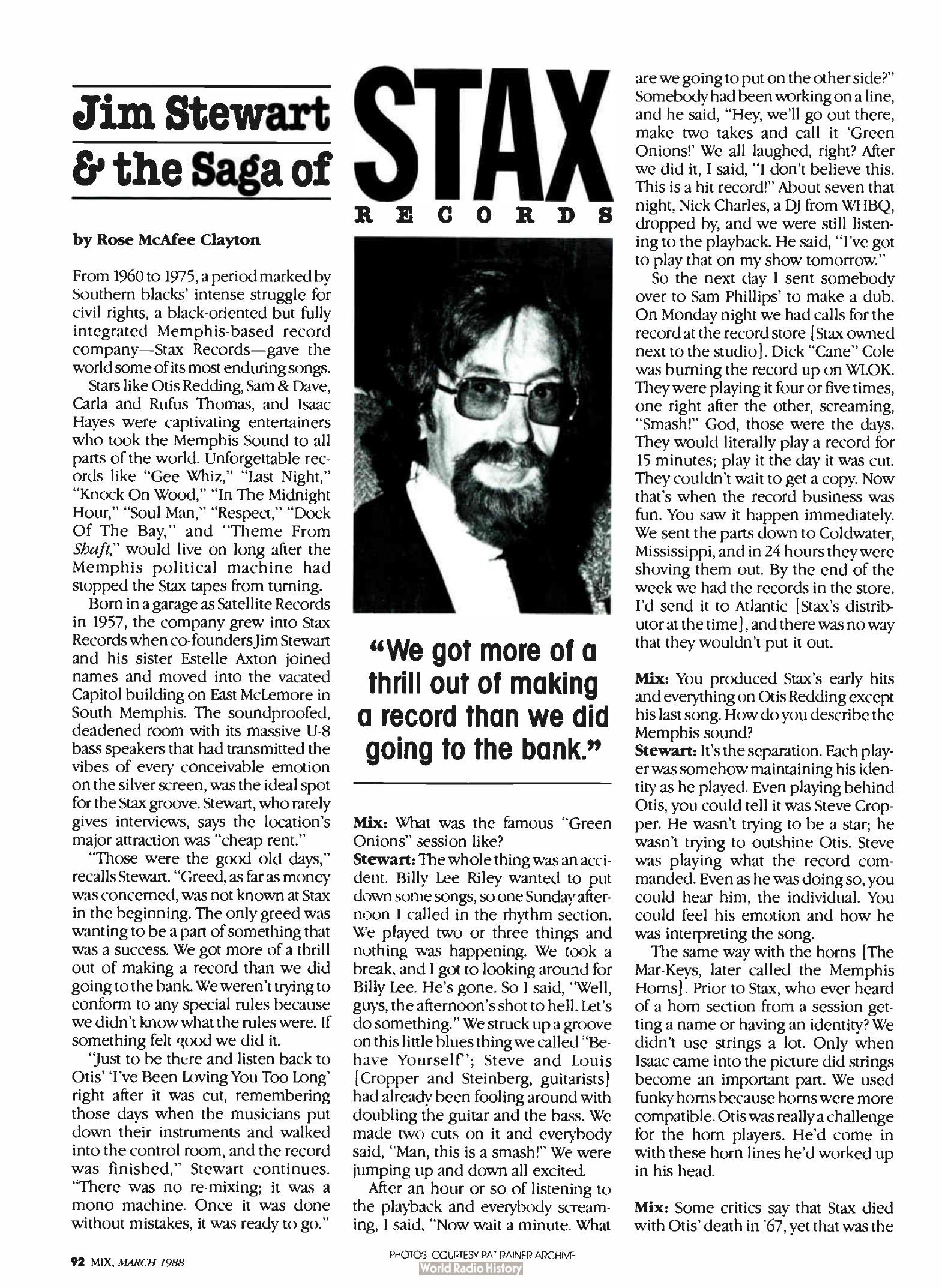
🇺🇸 Stax Records
Memphis, Tennessee, USA · est. 1957
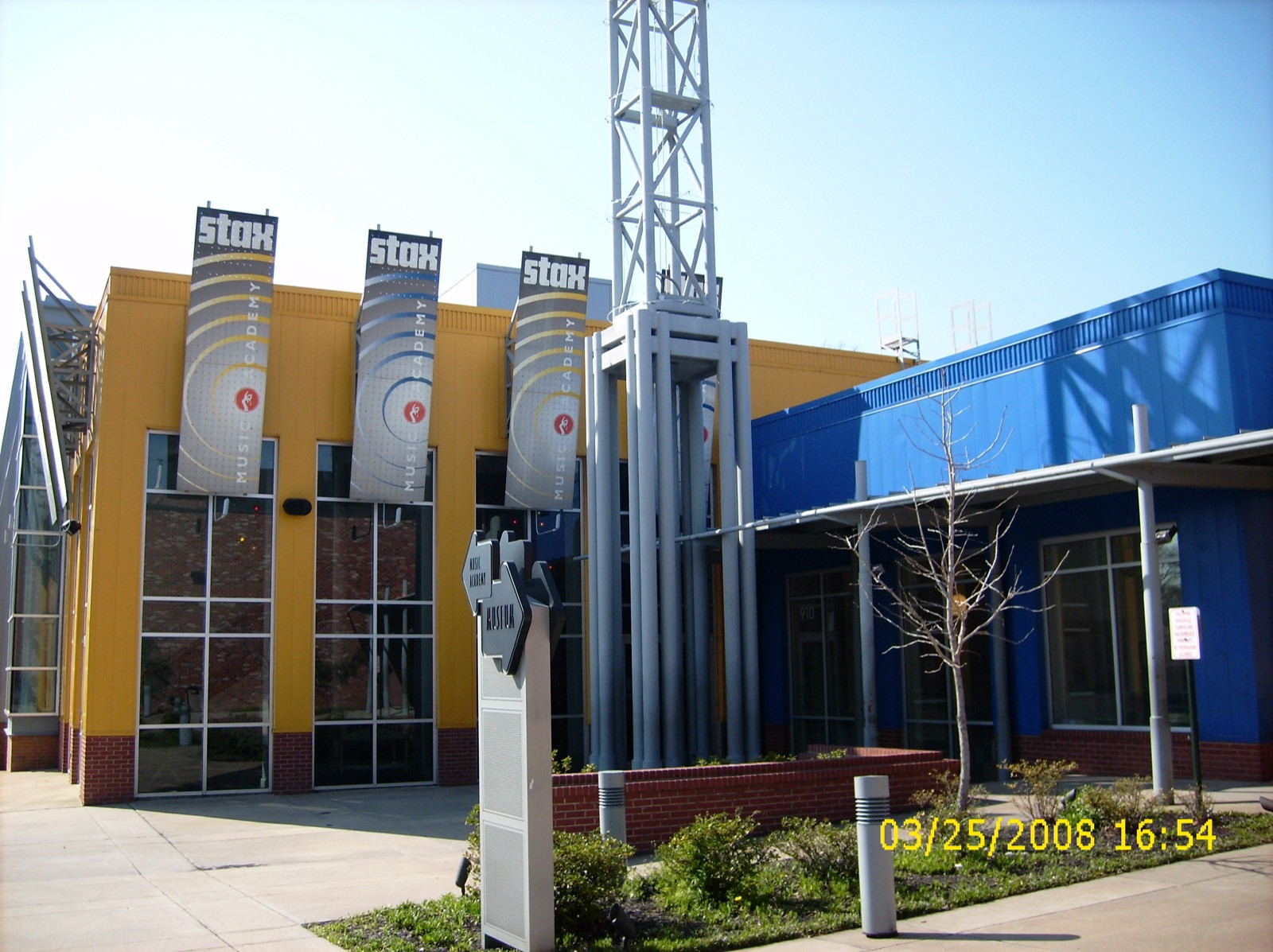
Stax began in 1957 as Satellite Records, founded by Jim Stewart and his sister Estelle Axton. In 1960 the operation moved into a disused cinema — the Capitol Theatre at 926 East McLemore Avenue in Memphis — and in 1961 the name became Stax, from STewart and AXton. The studio kept the theatre's sloping floor, and that acoustic quirk gave Stax records their big, deep, slightly raw room sound.
Across the 1960s Stax became the home of Southern soul, built on an integrated house band — Booker T. and the M.G.'s — in a still-segregated South. Booker T. and the M.G.'s cut the instrumental 'Green Onions' in the room in 1962; Otis Redding, Sam & Dave, Rufus and Carla Thomas, Eddie Floyd, William Bell and Isaac Hayes all recorded here. In November and December 1967, Redding and Steve Cropper wrote and recorded '(Sittin' On) The Dock of the Bay' at Stax — days before Redding died in a plane crash — and it became the first posthumous US number one.
The studio grew up fast technically: it started on a single Ampex 350 mono machine, and Atlantic's Tom Dowd moved it to a Scully two-track in 1965 and four-track in 1966; from 1970 Stax also cut its own discs in-house on a Neumann VMS 70 lathe. The original building was demolished in 1989; what stands today is a faithful reconstruction on the same McLemore Avenue site, opened in 2003 as the Stax Museum of American Soul Music.