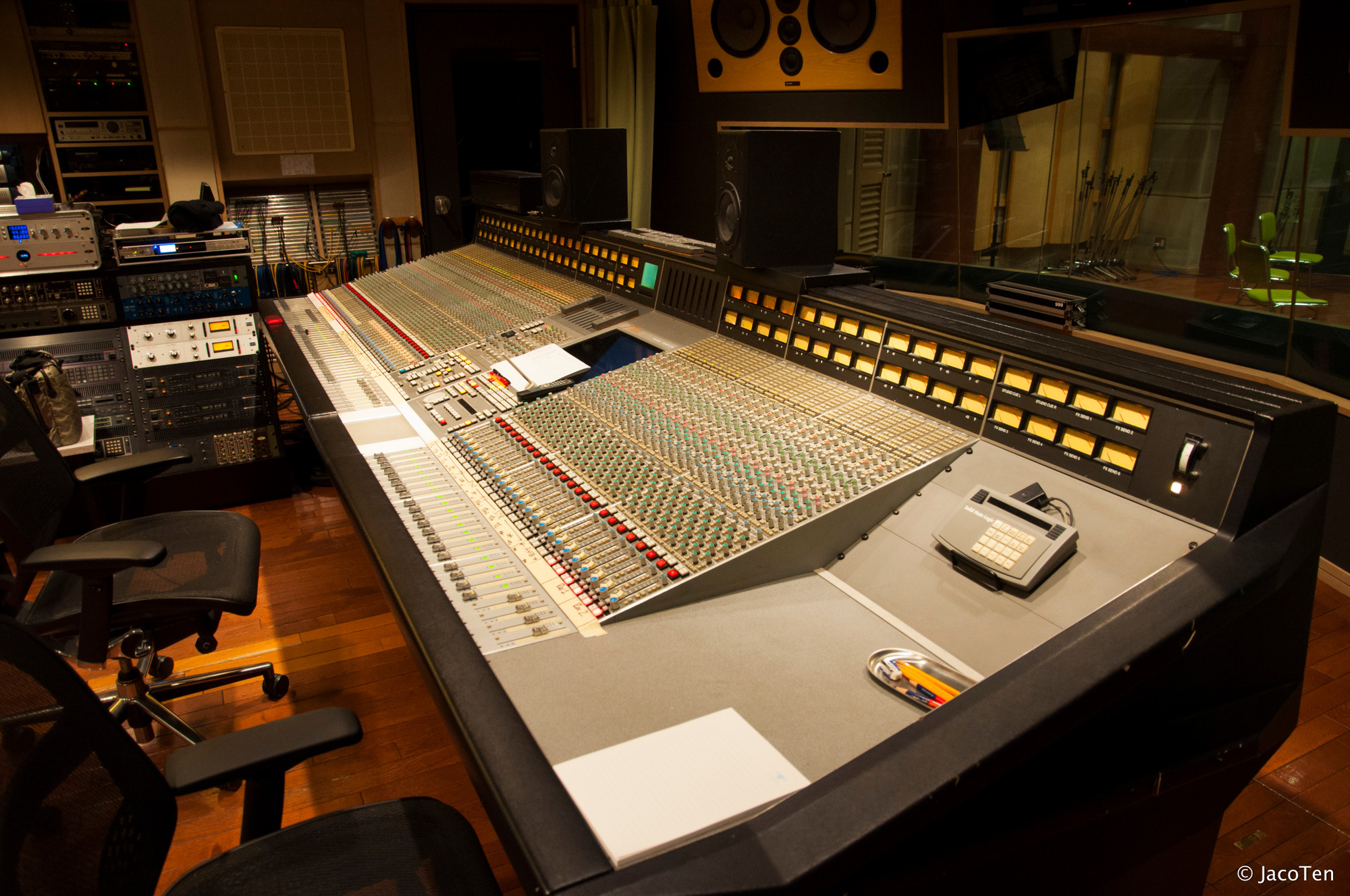
RCA BC-2B
One of the first commercially produced mixing consoles. Used by NBC and CBS Radio for broadcast. Paved the way for standardised mixing in recording studios.
Historical Database
43 legendary consoles that shaped the sound of recorded music — from the 1920s to the present day.
Research highlights
The British Invasion
UK manufacturers EMI, Neve, SSL, Trident, and Focusrite dominated the high-end market from the 1960s through the 1980s, defining the sound of popular music for generations.
The Automation Revolution
API offered computerised console automation as early as the early 1970s, but it was SSL's Total Recall — letting every setting be printed and restored exactly — that fundamentally changed how studios worked through the 1980s.
The API Sound
API's 2520 op-amp and Proportional Q EQ created the punchy "American" sound, while their 500 Series format became a global industry standard still in use today.
Rarest Consoles
Only 13 Trident A-Range consoles were ever made. The Focusrite Console comes close with only ~10 units — and several of those have since been lost or destroyed.
Digital Disruption
Yamaha's 02R (1995) brought professional digital mixing to project studios, selling over 10,000 units and forever changing who could access professional-quality recording.
Hybrid Renaissance
Modern consoles like SSL AWS, API The Box, and Neve 5088 combine analog warmth with DAW integration — proving that analog hardware remains central to professional recording.
1920s – 1950s
The dawn of electrical recording saw the birth of dedicated mixing consoles. Early designs from RCA and Western Electric used vacuum tube technology to boost microphone signals for radio broadcasts and film sound. These primitive mixers laid the groundwork for everything that followed.
One of the first commercially produced mixing consoles. Used by NBC and CBS Radio for broadcast. Paved the way for standardised mixing in recording studios.
Early film studio console used by Warner Bros., Paramount, and MGM during Hollywood's Golden Age. The passive mixing architecture was standard for the era.
Classic German broadcast console beloved for its warm, characterful transformer sound. Widely used in German radio stations and recording studios. Vintage Siemens transformers are still harvested today for boutique audio equipment.
Late 1950s – 1980s
The golden age of analog recording. British manufacturers EMI, Neve, SSL, and Trident dominated the high-end market while API, Harrison, and MCI offered American alternatives. SSL introduced computer automation and changed studio workflows forever. This era produced the most sought-after vintage consoles in history.
First EMI console designed for Abbey Road Studios. Used on early Beatles recordings including "Please Please Me" and "With the Beatles."
Used on Beatles' "A Hard Day's Night" through "Sgt. Pepper's." Revolutionary multitrack capability for its time.
Used on The Beatles' "Abbey Road" album. First modular console from EMI with interchangeable channel strips — a concept that became industry standard.
First console to feature the legendary 1073 microphone preamp/EQ module. Established the "Neve sound" that defined 1970s recording and remains the benchmark for analog warmth.
The Sound City console. Recorded Fleetwood Mac's "Rumours" (1977) and Nirvana's "Nevermind" (1991) — two of the best-selling albums of all time, recorded two decades apart on the same desk.
Popular in major US studios. Used on countless classic rock recordings of the 1970s.
A&M Studio A console designed in consultation with George Martin. One of the largest and most capable Neve consoles of the era.
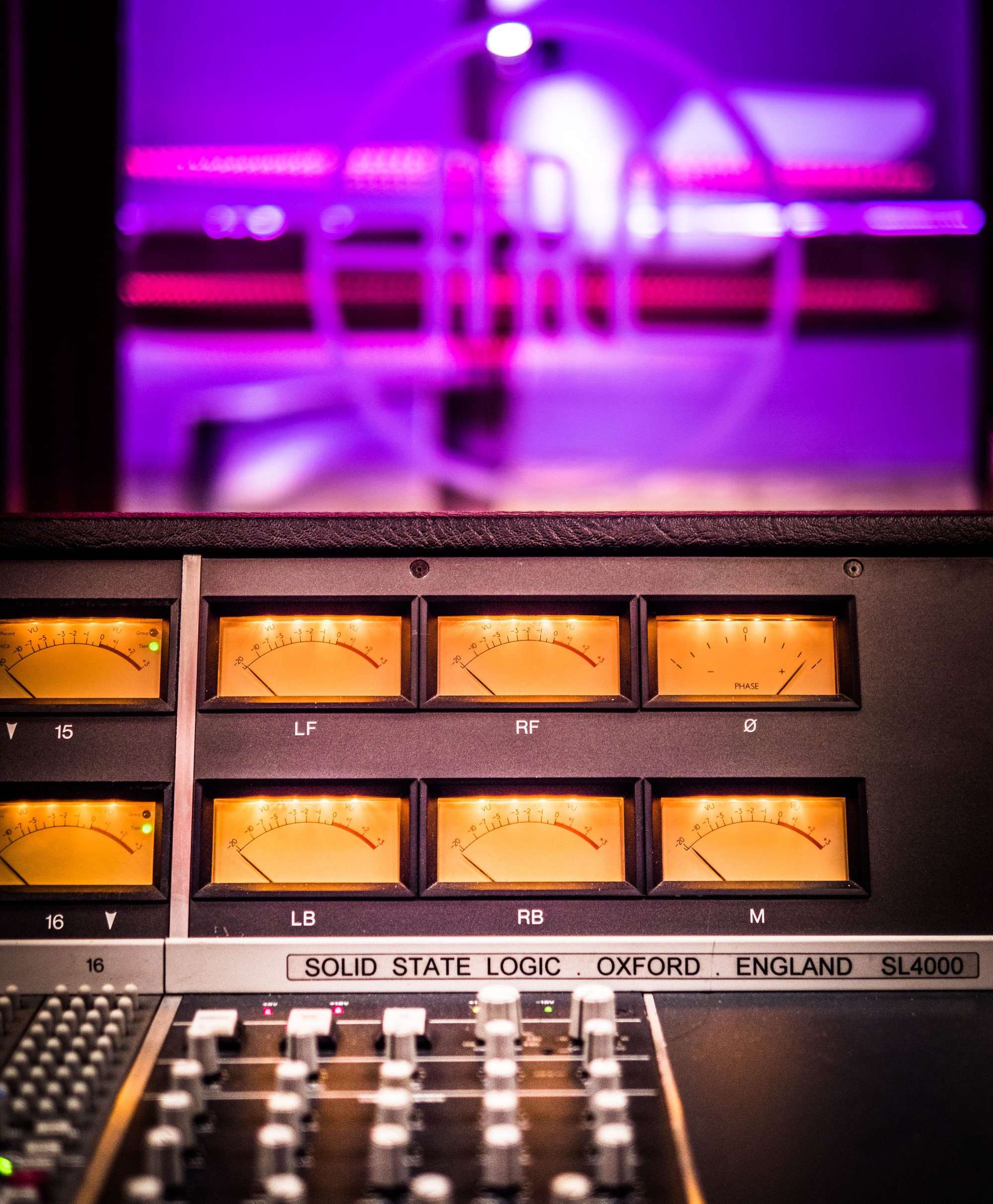
SSL's first console. Introduced computer-controlled automation and the Total Recall system, revolutionising studio workflow by allowing every console setting to be saved and recalled.
The console that defined 1980s pop and rock. Used by Bob Clearmountain, Phil Collins, Madonna, and virtually every major artist of the decade.
Refined successor to the 4000 E. The G bus compressor became a signature sound of early 1990s records. Used in virtually every major commercial studio of the era.
API's flagship console. The 2520 op-amp and proportional Q EQ created the punchy "American" sound that defined countless rock and pop records.
Introduced the 500 Series modular format that became a global industry standard still in use today. The compact "lunchbox" concept was born from the 1604.
Only 13 ever made — one of the rarest and most valuable consoles in existence. Used on Bowie's "Ziggy Stardust," Elton John's "Honky Chateau," and Queen's "Sheer Heart Attack."
One of the best-selling British consoles of the 1980s. Malcolm Toft's design brought professional sound to mid-level studios at a competitive price.
First console ever built with 32 buses. Used on Steely Dan's "Aja" — widely considered one of the best-recorded albums in history.
World's first commercial in-line mixing console — a design philosophy where recording, monitoring, and mixing share a single channel strip. Made professional recording accessible to more studios.
Neve's flagship large-format console of the late 1980s–90s, succeeding the 8078. Introduced advanced VCA automation under the Neve brand. Used extensively in major US and UK studios throughout the 1990s.
Successor to the landmark 3232. Used by legendary recording engineer Bruce Swedien to record and mix Michael Jackson's "Thriller" (1982) and "Bad" (1987) at Westlake Audio Studios — two of the best-selling albums of all time.
Designed by Rupert Neve for George Martin's AIR Studios. Only around 10 were ever built; several have since been lost or destroyed. The ISA mic preamp circuit from this console became the foundation for Focusrite's entire product line.
Dutch-designed film and broadcast console. D&R (Design & Research) became known for professional consoles at competitive prices, widely used across European broadcast and film.
1990s – Early 2000s
The digital revolution transformed recording. Yamaha democratised digital mixing, Sony's Oxford algorithms set a new standard for digital EQ quality, and Digidesign integrated Pro Tools into professional mixing. Yet analog flagships held their ground through the transition — SSL's all-analog SuperAnalogue 9000 J was the decade's high-end analog answer, and Euphonix showed analog warmth and digital control could coexist.
A fully analog SuperAnalogue console — SSL's high-end analog flagship of the 1990s, released as digital mixing rose around it. Together with Neve's 88RS it stands at the close of the large-format analog era, and both remain in active use in top studios today. The Hollywood film/post-production standard, with full surround capability.
The console that democratised digital mixing. First affordable digital console to sound truly professional. Sold over 10,000 units and transformed the project studio market worldwide.
Flagship Yamaha digital console for post-production and music. Set standards for digital workflow in broadcast and film facilities.
First successful digitally controlled analog console. Gave engineers the automation and recall benefits of digital while keeping a pure analog signal path.
Major film mixing console used on Hollywood blockbusters. Acquired by Avid in 2010; technology lives on in the Avid S6 series.
Sony's flagship digital console. Its EQ algorithms were so highly regarded they were licensed as software plugins — the "Sony Oxford EQ" plugins remain in use today.
Accessible Sony digital console bringing Oxford-heritage sound to a wider market. Popular in professional and post-production studios worldwide.
Integrated Pro Tools into professional mixing, representing the industry's definitive shift to DAW-based workflows. Changed the relationship between hardware and software permanently.
Mid-2000s – Present
The hybrid renaissance. Modern consoles combine analog signal quality with digital workflow integration. SSL, API, and Neve all bridge classic analog warmth with contemporary DAW control. New digital platforms for broadcast and live sound bring studio-quality processing far beyond the recording booth.
Reinvented the professional console by combining SSL SuperAnalogue circuitry with deep DAW integration. Started the hybrid console trend that defines modern studios.
SSL's return to pure analog console design. The most accessible way into the genuine SSL SuperAnalogue sound, without DAW integration overhead.
SSL's flagship broadcast console, bringing SSL processing to large-scale IP audio networks. Represents SSL's push into broadcast and live production infrastructure.
SSL's entry into live sound, bringing studio-quality SSL processing and EQ to the concert stage. Popular with major touring acts and high-end installations.
Compact console bringing the full API sound to smaller studios. Integrates 500 Series modules into a console chassis. Popular in modern hybrid setups worldwide.
Modern evolution of the classic 1604 design with optional automation. Maintains the legendary API bus topology while adding contemporary workflow features.
Designed by Rupert Neve through Rupert Neve Designs. Built to the same quality as the vintage 80 Series but with contemporary features. One of the finest large-format analog consoles available today.
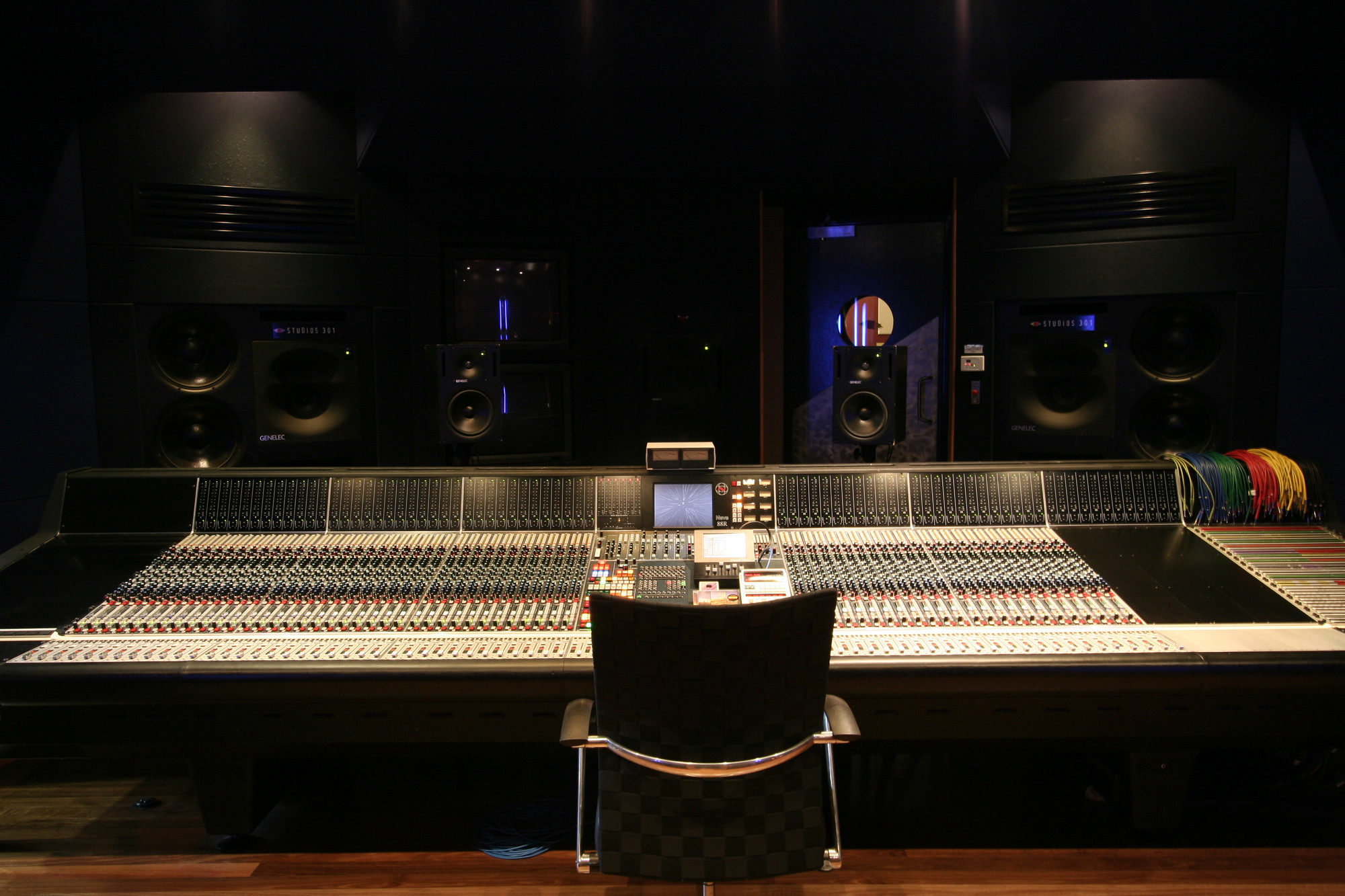
AMS Neve's flagship large-format console and the modern spiritual successor to the 8078. Built to the same exacting standards as the vintage 80 Series with contemporary recall and automation. Together with SSL's 9000 J it marks the end of the large-format analog era — and, still in production, it is one of the last such desks ever built, in daily use at the world's top studios.
Modern sidecar based on the vintage BCM10. Brings the legendary 1073 mic preamp sound to smaller studio setups as a companion to DAW-based recording.
Modern take on the 1073 with remote control and Dante networking. Bridges the vintage 1073 sound with contemporary network audio infrastructure.
Modern recreation of the legendary 3232 console, bringing classic Harrison sound to contemporary studios. Harrison continues to manufacture in Nashville.
Modern D&R console combining an analog signal path with deep DAW integration. Popular in European broadcast facilities and radio stations.
The builders
United Kingdom
Founded 1931
REDD.17, REDD.37, REDD.51, TG12345, TG12410
Abbey Road's in-house manufacturer. Created consoles for The Beatles, Pink Floyd, and many others. The REDD and TG series are among the most legendary ever made.
UK / USA
Founded 1961
8014, 8028, 8048, 8078, 88R, 5088, BCM10
Rupert Neve's designs defined 1970s recording. The 1073 preamp is the most-cloned circuit in history. Still producing high-end consoles under both AMS Neve and Rupert Neve Designs.
United Kingdom
Founded 1969
SL 4000 B/E/G, 9000J, AWS, Origin, System T, Live
Revolutionised recording with automation and Total Recall. Defined the 1980s pop sound. Still the industry standard for hybrid, broadcast, and live consoles.
United States
Founded 1968
2488, 1604, 1608, The Box
Created the 500 Series format. The punchy API sound is heard on countless records. Still family-owned and manufacturing in Maryland, USA.
United Kingdom
Founded 1972
A-Range, Series 80, Series 80B
Malcolm Toft's designs brought professional sound to mid-level studios. Only 13 A-Range consoles were ever made, making them extraordinarily rare.
United States
Founded 1975
3232, 4032, 32Classic
Built the first 32-bus console. Used on Steely Dan's "Aja." Still manufacturing in Nashville with modern recreations of classic designs.
United States
Founded 1965
JH-400, JH-500, JH-600
Created the first commercial in-line console. Made professional recording accessible to a wider range of studios through the 1970s and 80s.
Japan
Founded 1887
02R, DM2000, 01V
Brought affordable digital mixing to project studios. The 02R sold over 10,000 units and transformed home recording. Yamaha's digital processing remains an industry benchmark.
USA (Acq. Avid 2010)
Founded 1988
CS2000, System 5
Pioneered digitally controlled analog consoles. Used by Babyface and major R&B producers. Acquired by Avid in 2010; technology lives on in the Avid S6.
United States
Founded 1984
ICON D-Control, ICON D-Command, S6
Integrated Pro Tools into professional mixing with the ICON series. Represented the definitive shift to DAW-based workflows. Avid continues to lead the DAW surface market.
United Kingdom
Founded 1985
Focusrite Console (large-format)
Founded on a single Rupert Neve-designed console for George Martin. The ISA mic preamp born from that console became the foundation of a product line still in production.
Japan
Founded 1946
Oxford OXF-R3, DMX-R100, MXP-3000
Brought cutting-edge digital processing to professional mixing. The Oxford EQ algorithms were so respected they were licensed as software plugins still widely used today.
Germany
Founded 1847
W295B, W695
German engineering giant whose broadcast consoles are prized for warm, characterful transformer sound. Vintage Siemens transformers are still harvested for boutique audio equipment.
Netherlands
Founded 1972
Cinemix, Momentum, Vanguard
Dutch manufacturer bringing professional-quality consoles at competitive prices. Widely used in European broadcast, film, and radio. Still active and manufacturing in the Netherlands.
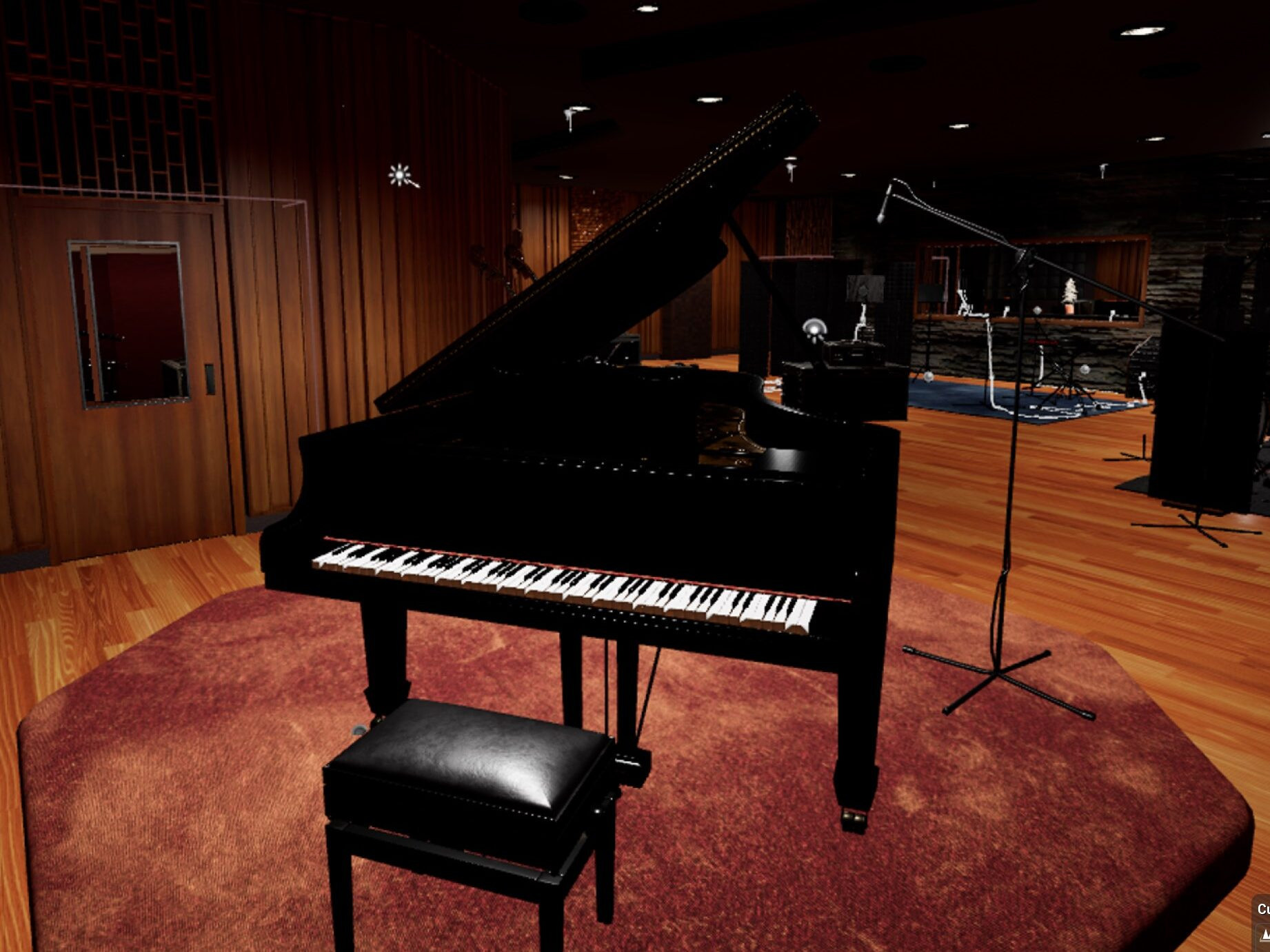
Where history was made
London, UK
EMI REDD.17, REDD.37, REDD.51, TG12345
The Beatles, Pink Floyd "Dark Side of the Moon", Radiohead
Los Angeles, USA
Neve 8028
Fleetwood Mac "Rumours", Nirvana "Nevermind", Tom Petty
New York, USA
API 2488, Neve
Jimi Hendrix, Led Zeppelin, David Bowie
Los Angeles, USA
Neve 8048, API
The Doors, Led Zeppelin, Prince
New York, USA
SSL 4000 E
Madonna, Duran Duran, Bruce Springsteen
Los Angeles, USA
Harrison 3232, Harrison 4032
Steely Dan "Aja", Earth Wind & Fire
London, UK
Trident A-Range
David Bowie "Ziggy Stardust", Elton John, Queen
Los Angeles, USA
Neve 8078
Sting, Supertramp, The Carpenters
London, UK
SSL 4000 G
The Rolling Stones, Led Zeppelin, Jimi Hendrix
London, UK
Focusrite Console, SSL
Paul McCartney, George Martin productions
Los Angeles, USA
Harrison 4032
Michael Jackson "Thriller" & "Bad" (Bruce Swedien), Diana Ross
A century of innovation
1936
Western Electric 23-A — among the first integrated mixing consoles
1958
EMI REDD.17 — Abbey Road's first custom desk
1968
EMI TG12345 — first solid-state EMI console
1970
Neve A88 (Wessex Studios) — first console with the 1073 preamp
1972
Trident A-Range — only 13 ever made
1972
MCI JH-400 — world's first in-line console
1975
Harrison 3232 — first 32-bus console
1976
SSL 4000 B — pioneered Total Recall (API had offered automation earlier)
1979
SSL 4000 E — defined the 1980s sound
1982
Harrison 4032 — Bruce Swedien records Thriller
1985
Focusrite Console — Neve-designed, ~10 built
1990
Euphonix CS2000 — digitally-controlled analog goes mainstream (Harrison SeriesTen, 1985, came first)
1995
Yamaha 02R — digital console revolution
2002
Sony Oxford OXF-R3 — algorithmic EQ landmark
2004
Digidesign ICON — Pro Tools integration era
2006
SSL AWS — hybrid console era begins
2016
SSL System T — broadcast IP audio era
2024
Harrison 32Classic — vintage recreation renaissance
Database compiled from manufacturer documentation, studio archives, and industry publications. Unit counts are historical estimates. To contribute data — including vintage advertisements — contact the team.