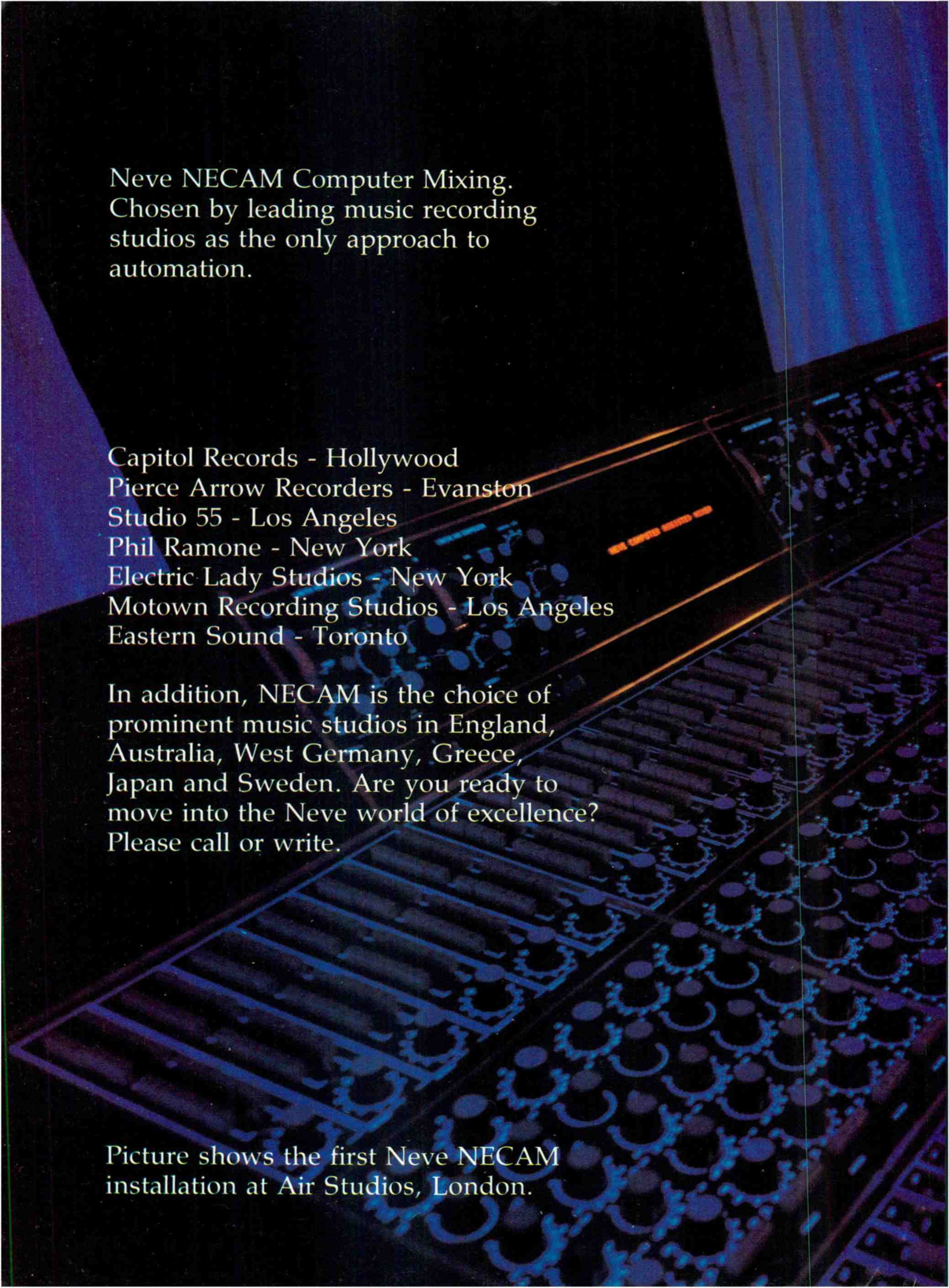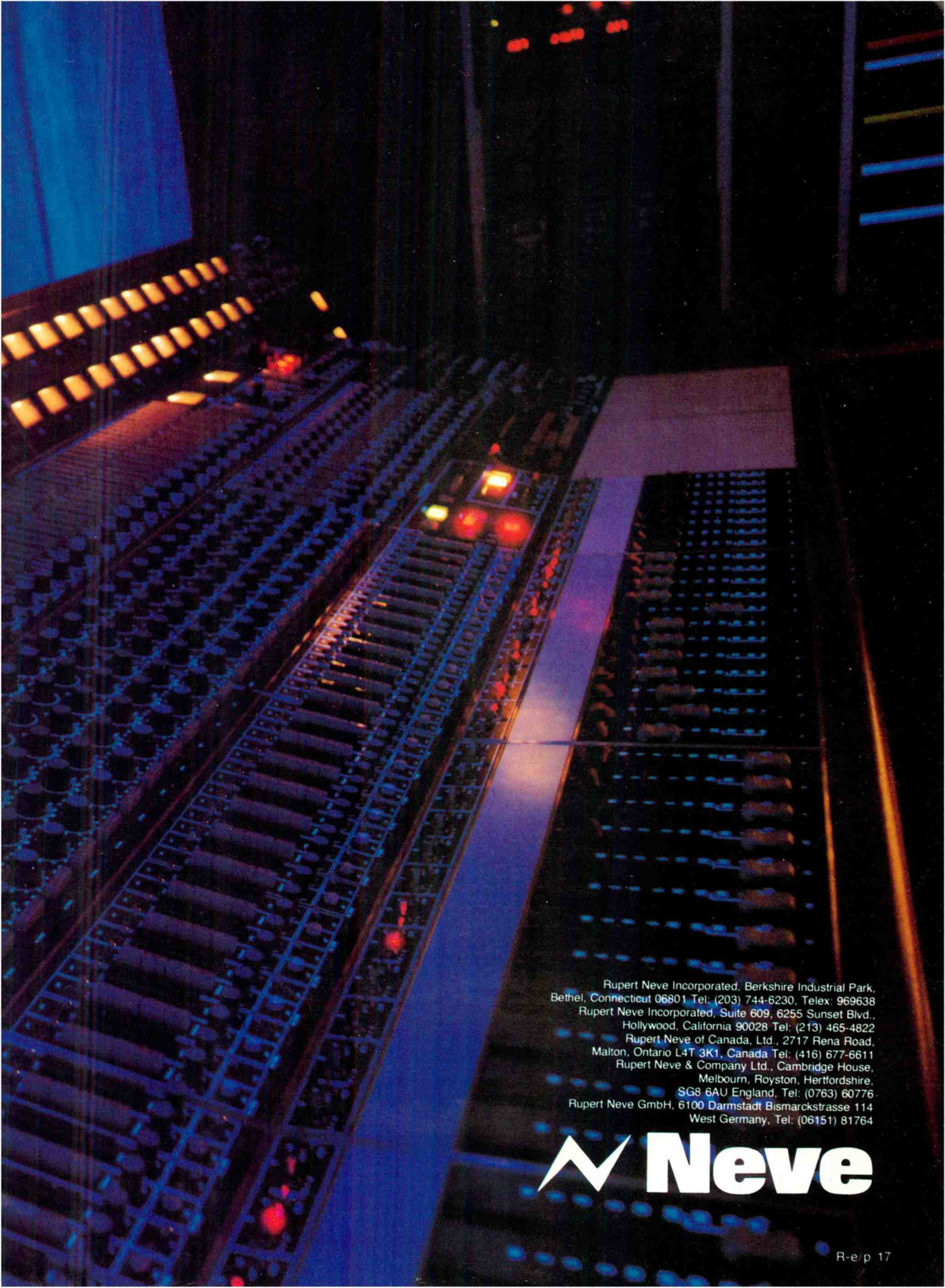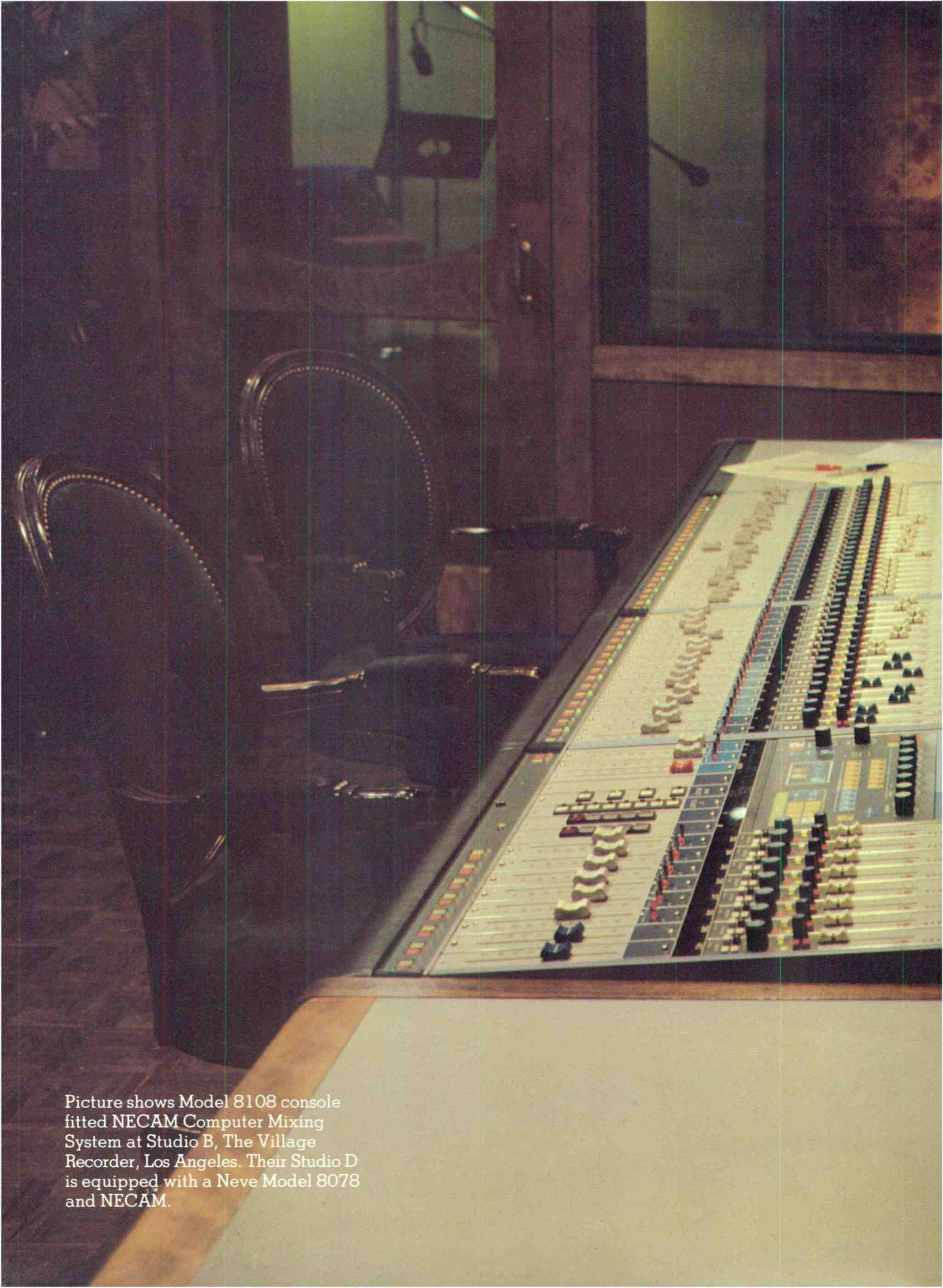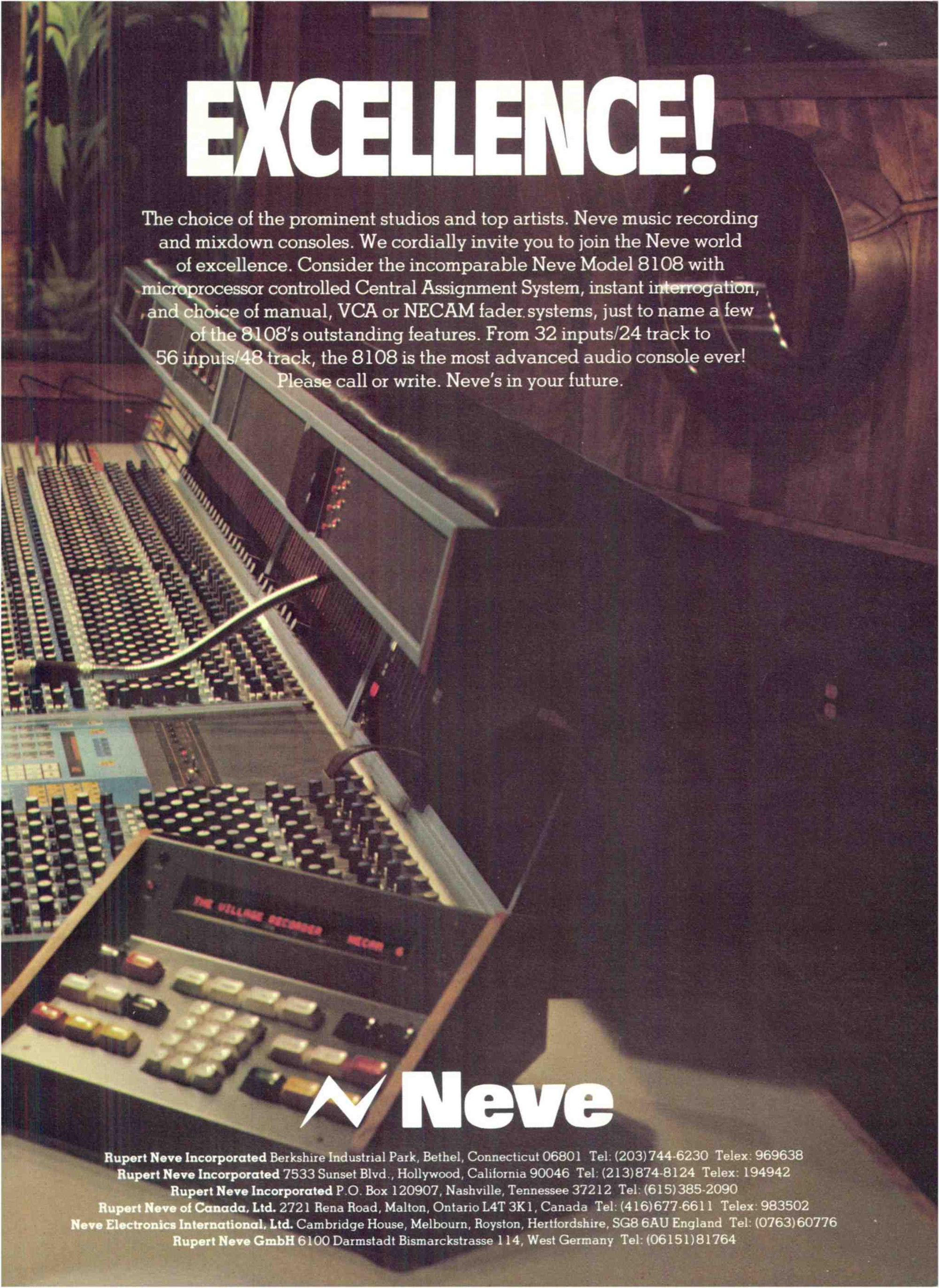
Neve
The Sound of a Generation
AMS Neve ↗Rupert Neve formed the company that still bears his name in 1961, based in Harlow, Essex, chasing a warmth that purely solid-state circuits had never captured. Within a decade, his name had become the single most coveted word in professional audio. The operation moved to the Priesthaus in Little Shelford, near Cambridge, in 1964 — where it built the world's first commercial transistor mixing console, for Philips Recording Studio in London — and on to a purpose-built factory in Melbourn in 1968, growing rapidly as studios worldwide understood that something genuinely different was happening in those wooden frames.
The secret lived inside the transformers — specifically the custom-wound Marinair and St Ives transformers that Neve specified for every input and output stage. These transformers introduced even-order harmonic distortion at a level that measurements would classify as a defect, but that human hearing perceived as warmth, depth, and dimension. The 1073 Class A preamp module, designed in 1970, combined this transformer character with a Class A discrete transistor gain stage that added further gentle saturation. The result was a sound that felt alive — not because it distorted, but because it distorted in exactly the right way.
The 80-series modules — 1073, 1084, 1081, 2254 compressor — were combined in various large-frame consoles throughout the 1970s: the 8014, 8016, 8024, 8028, 8078. Each number refers to the channel count and configuration. A Neve 8078 carries 80-series modules in a 32-to-80-channel frame; an 8028 is the same architecture in a 24-channel configuration.
After Rupert sold the company in 1973 and departed in 1975, the brand passed through several owners — acquired by Siemens in 1985, who then merged it with AMS (Advanced Music Systems) in 1992 to form AMS Neve. The soul of the circuits travelled with the man, and Rupert's subsequent work at AMEK and later Focusrite, and eventually his own Rupert Neve Designs (founded 2005), produced consoles that continued the same design philosophy under different names. Original Neve frames now sell at auction for sums that could fund a small studio, and the 1073 module he designed in 1970 remains in continuous production.
🎛 Mix on a vintage-inspired analogue desk in VR — explore the Retro Recordings XR experience →
Notable Consoles
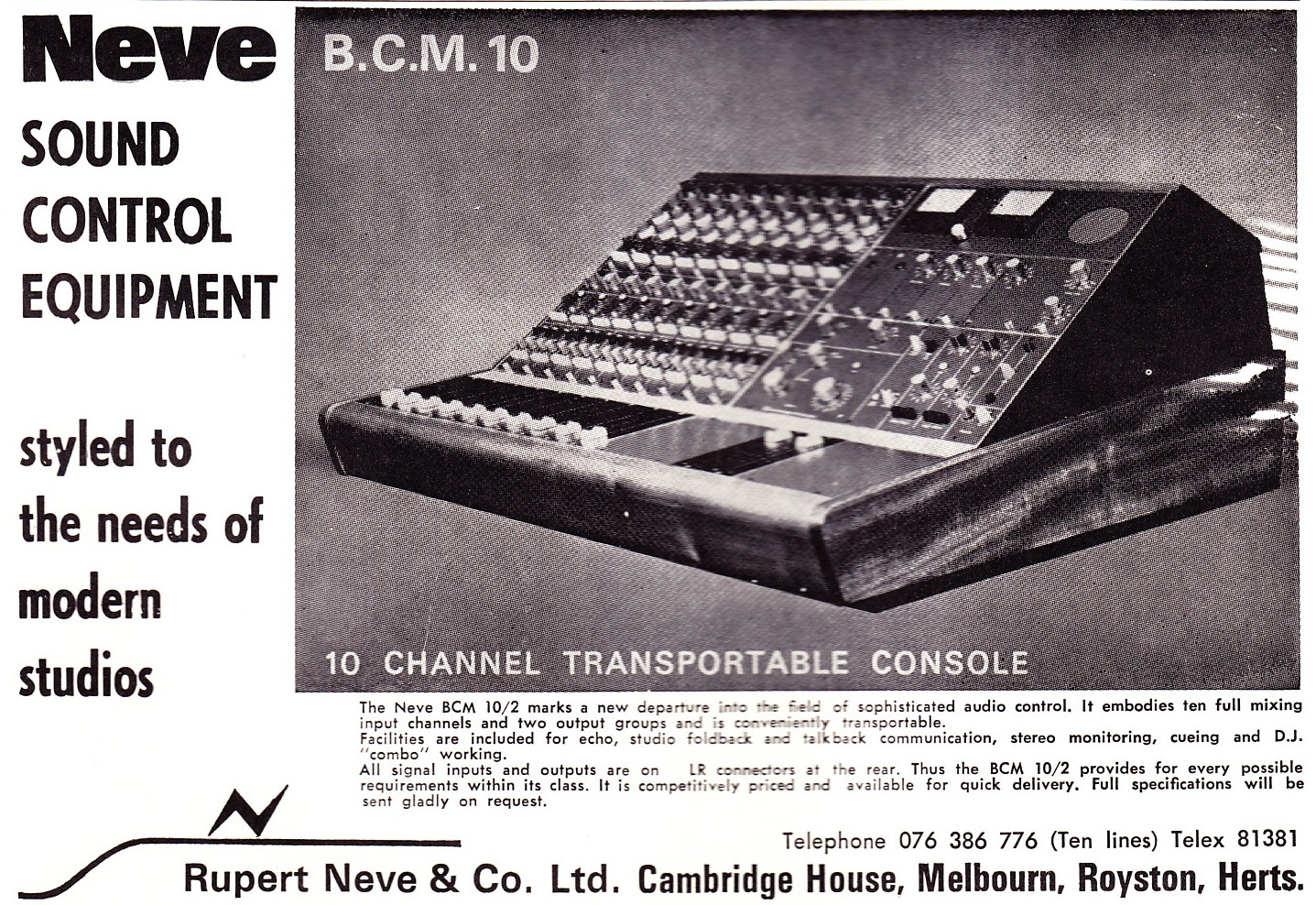
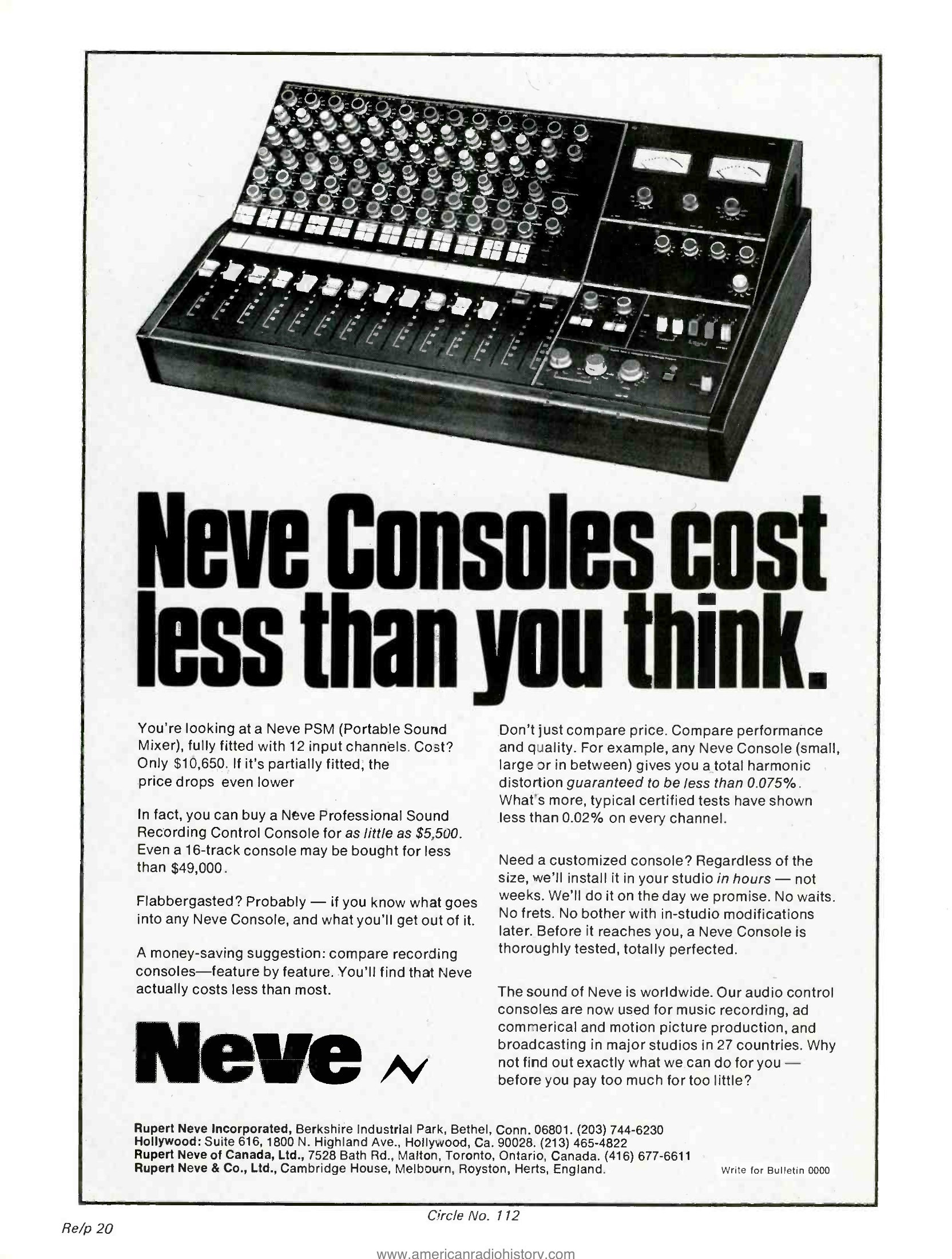
BCM 10
1968 – 1972- Channels
- 10
- Layout
- Split (transportable)
- EQ
- 2-band (1066 modules)
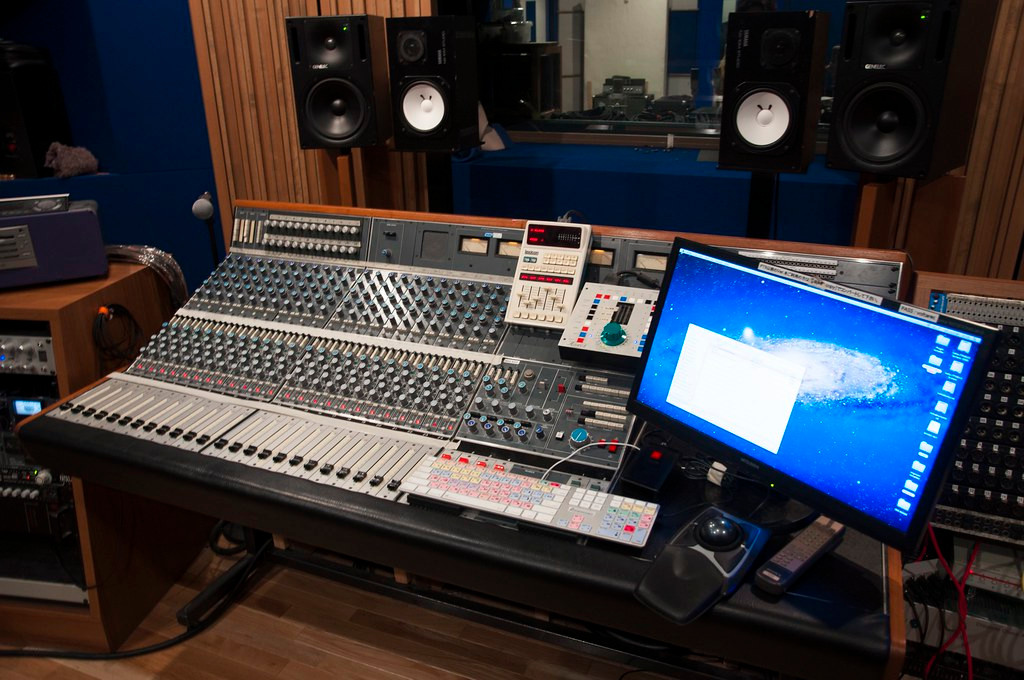
5315
mid-1970s- Channels
- 16 – 24
- Layout
- Split (broadcast/post)
- EQ
- Neve 3-band (transformer-coupled)
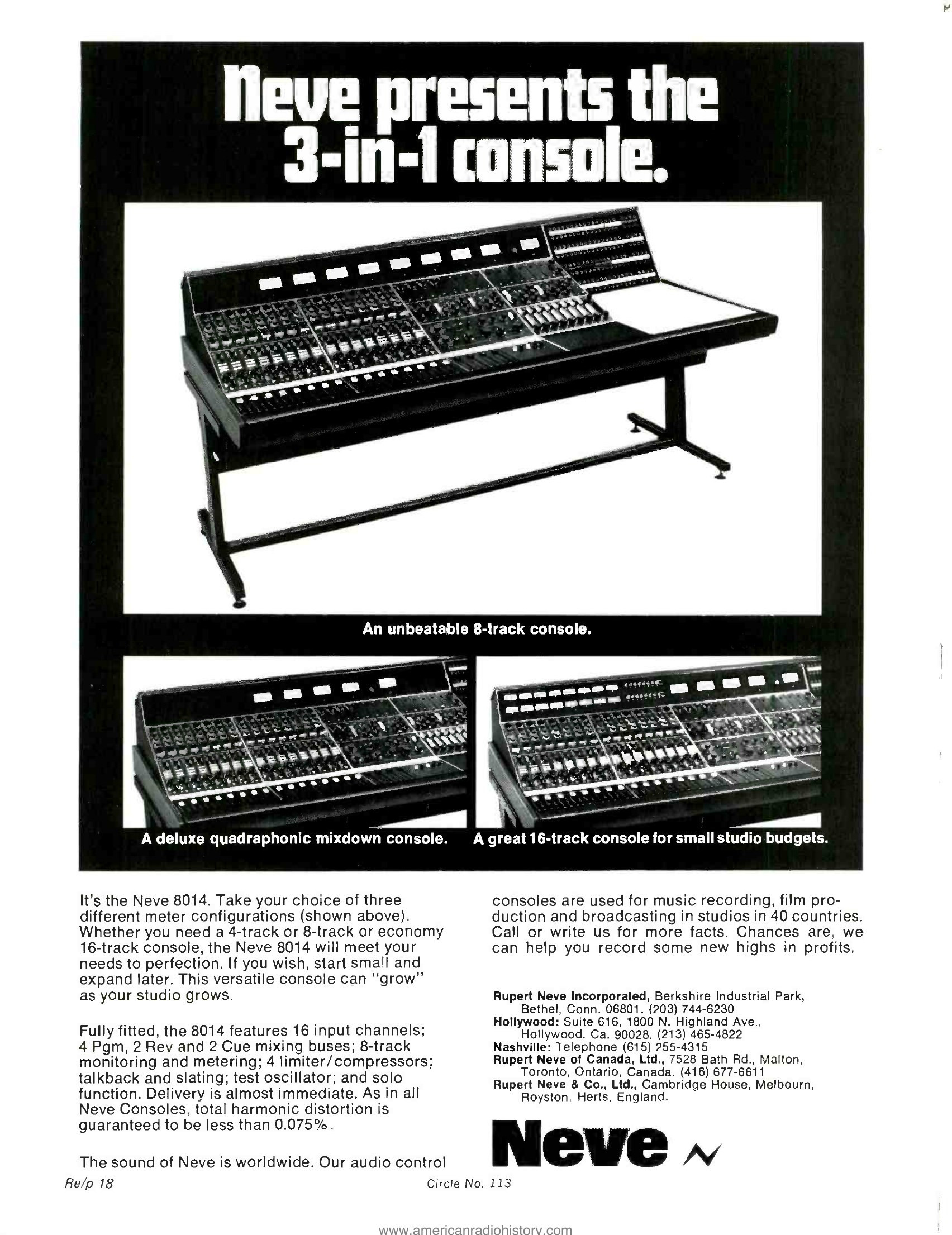
8014
1971 – 1976- Channels
- 8 – 16
- Layout
- Split (modular)
- EQ
- 3-band (1064/1066 modules)
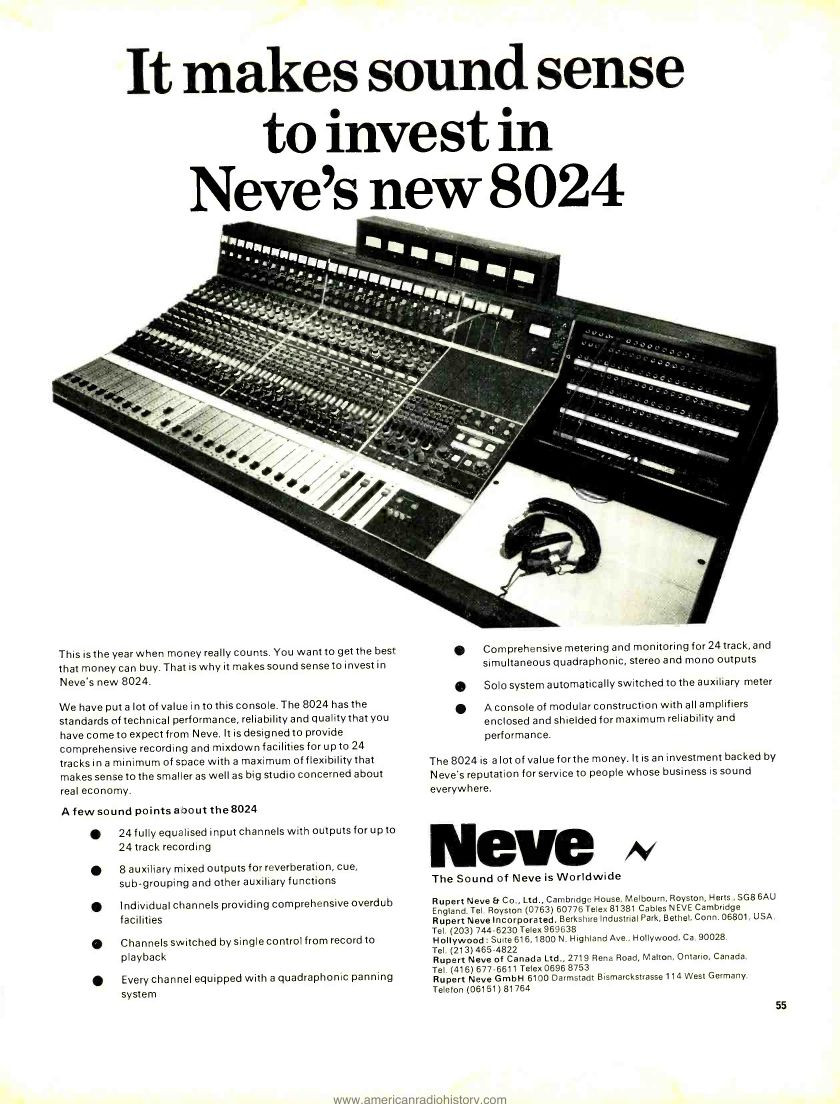
8024 / 8028
1972 – 1982- Channels
- 24 – 28
- Layout
- Split / In-line
- EQ
- 4-band (1073/1084)
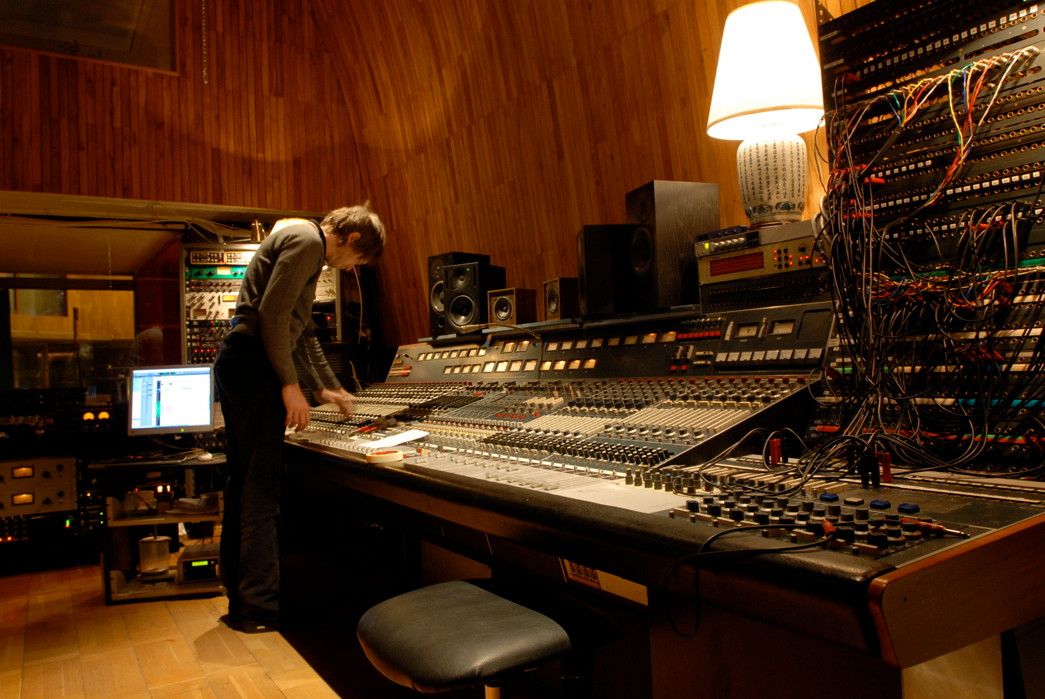
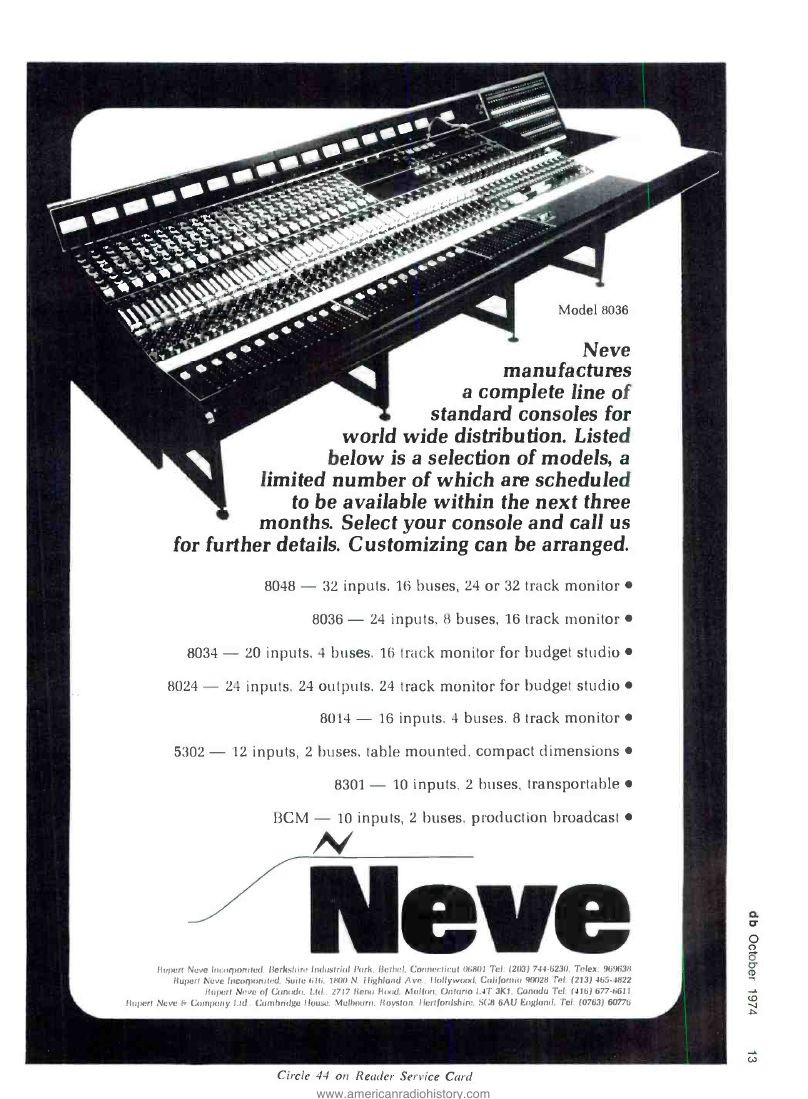
8036 / 8048
1974 – 1984- Channels
- 36 – 48
- Layout
- Split monitor / In-line
- EQ
- 4-band (1073/1081)
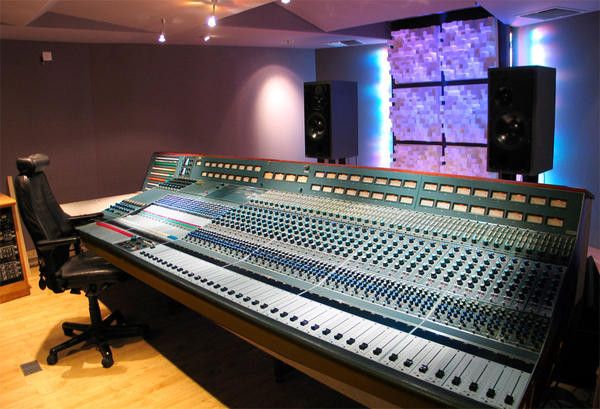
8078
1978 – 1979- Channels
- 32 – 80
- Layout
- Split monitor
- EQ
- 4-band sweepable (1073/1084)
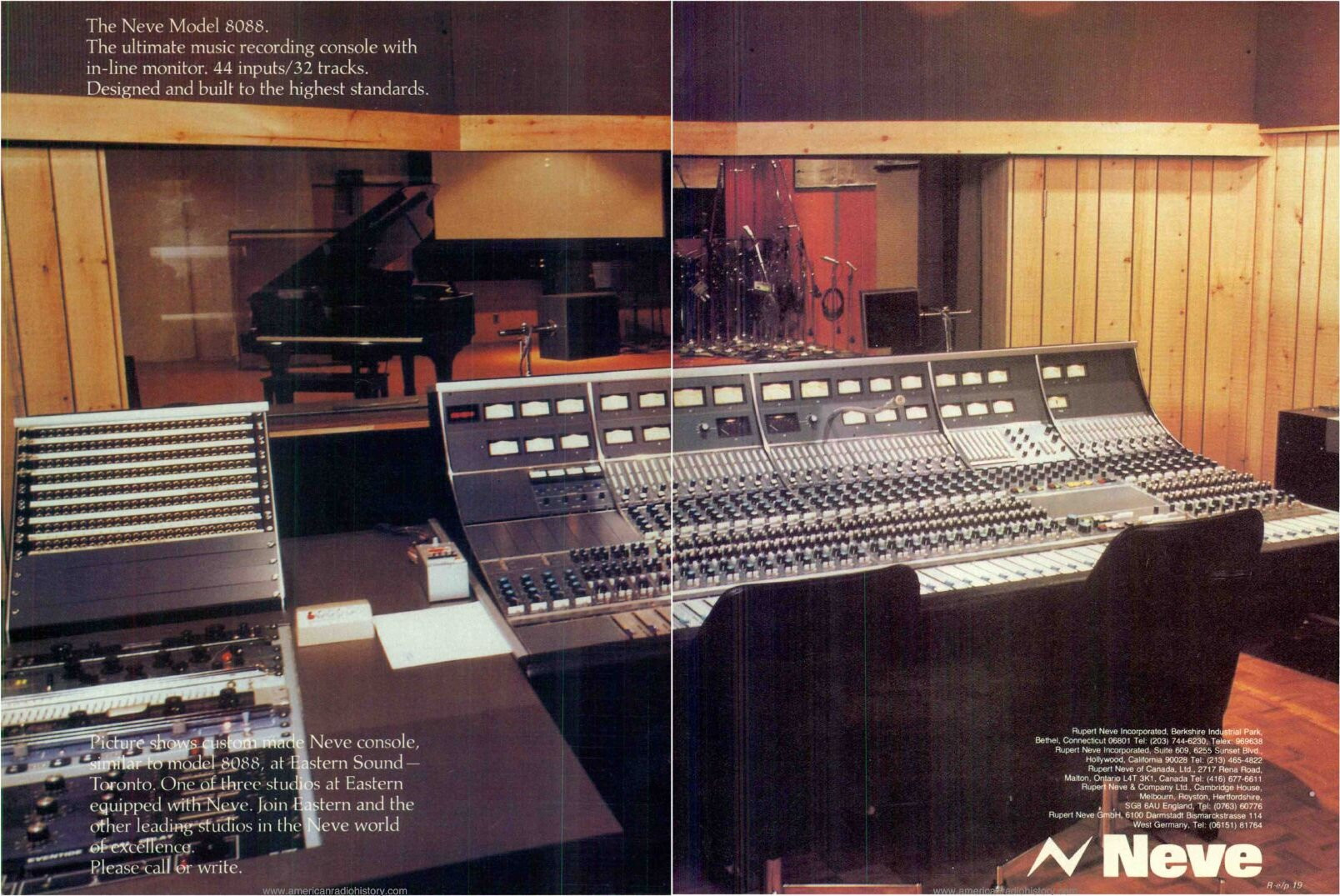
8088
1978 – 1980- Channels
- 88
- Layout
- In-line
- EQ
- 4-band sweepable (1073/1084)
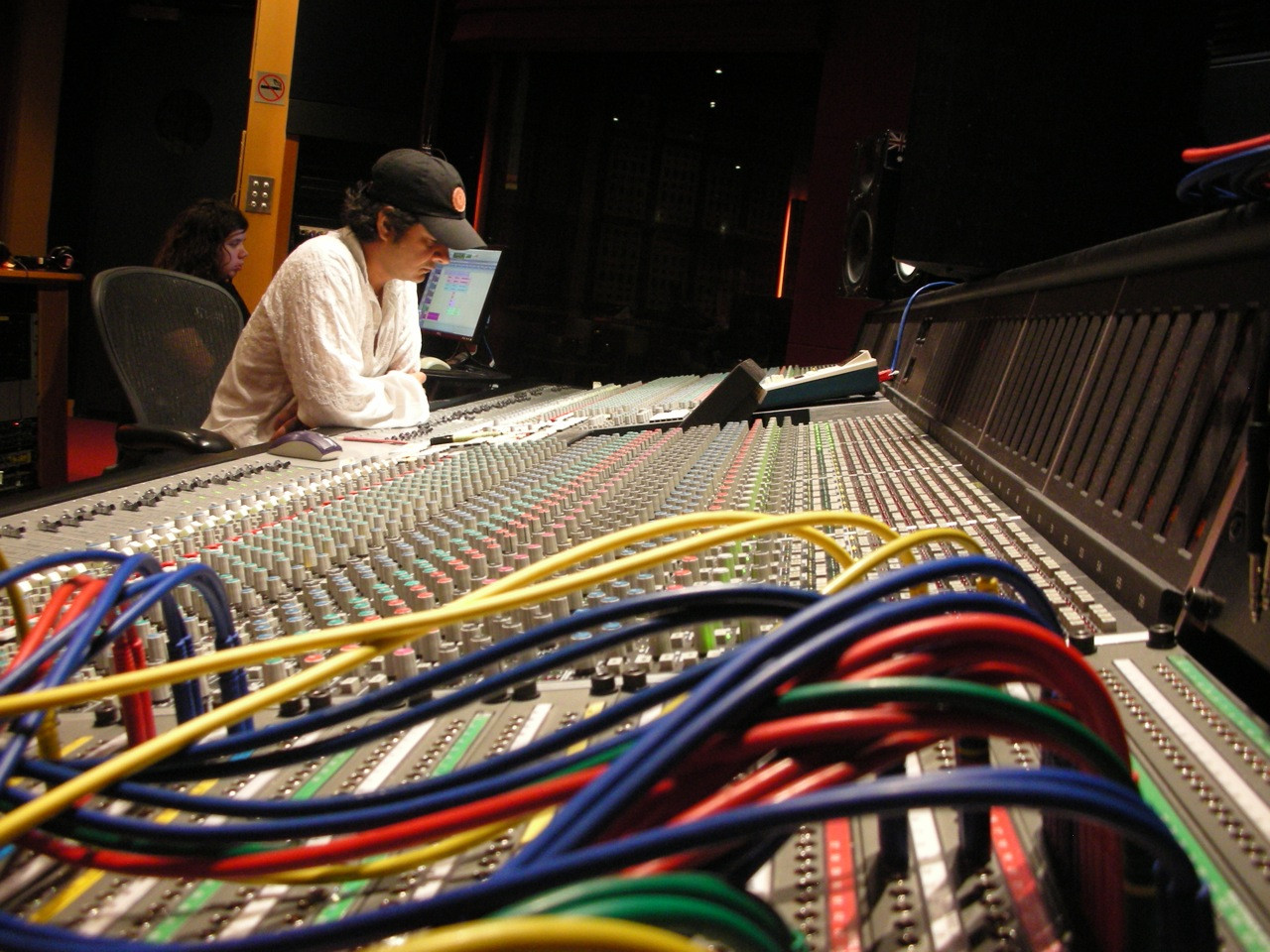
V Series
1985 – 1989- Channels
- 36 – 60
- Layout
- In-line
- EQ
- 4-band parametric
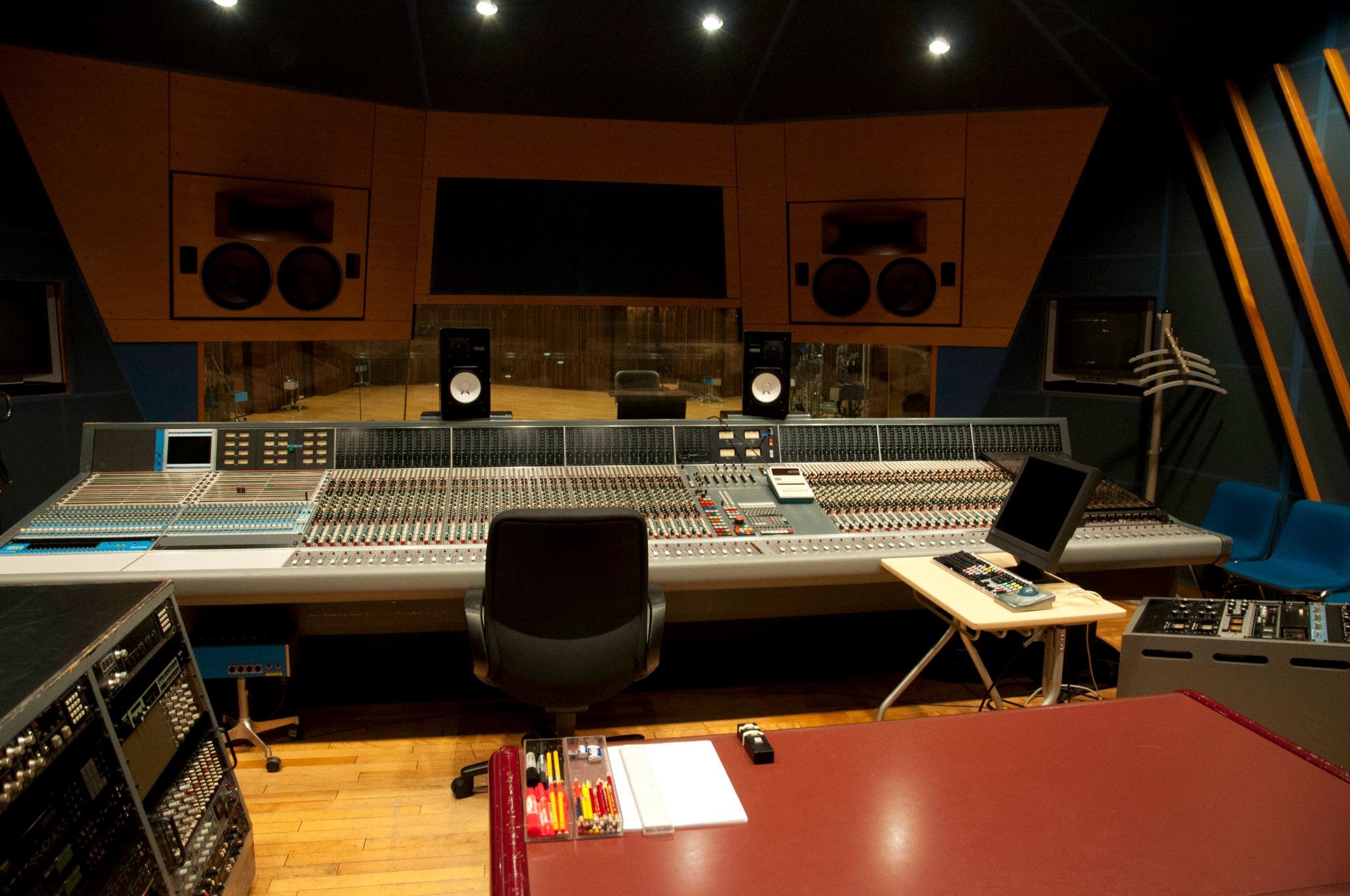
VR / VR Legend
1988 – 1997- Channels
- 36 – 72
- Layout
- In-line
- EQ
- 4-band parametric
Capricorn
1993 – 2001- Channels
- Up to 256 paths
- Layout
- Digital
- EQ
- 32-bit floating-point DSP
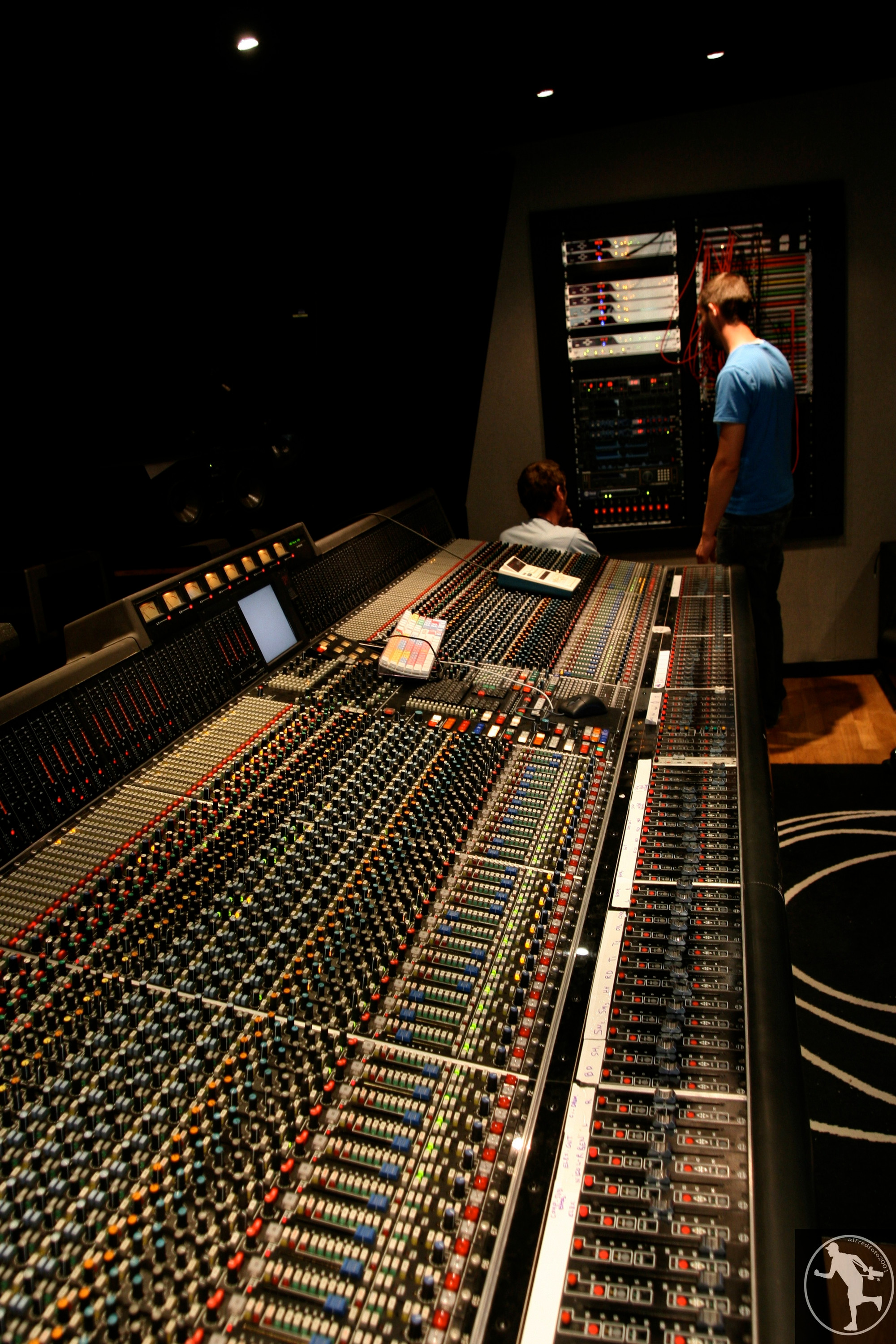
VX / VXS
1997 – 2001- Channels
- 36 – 72
- Layout
- In-line
- EQ
- 4-band parametric
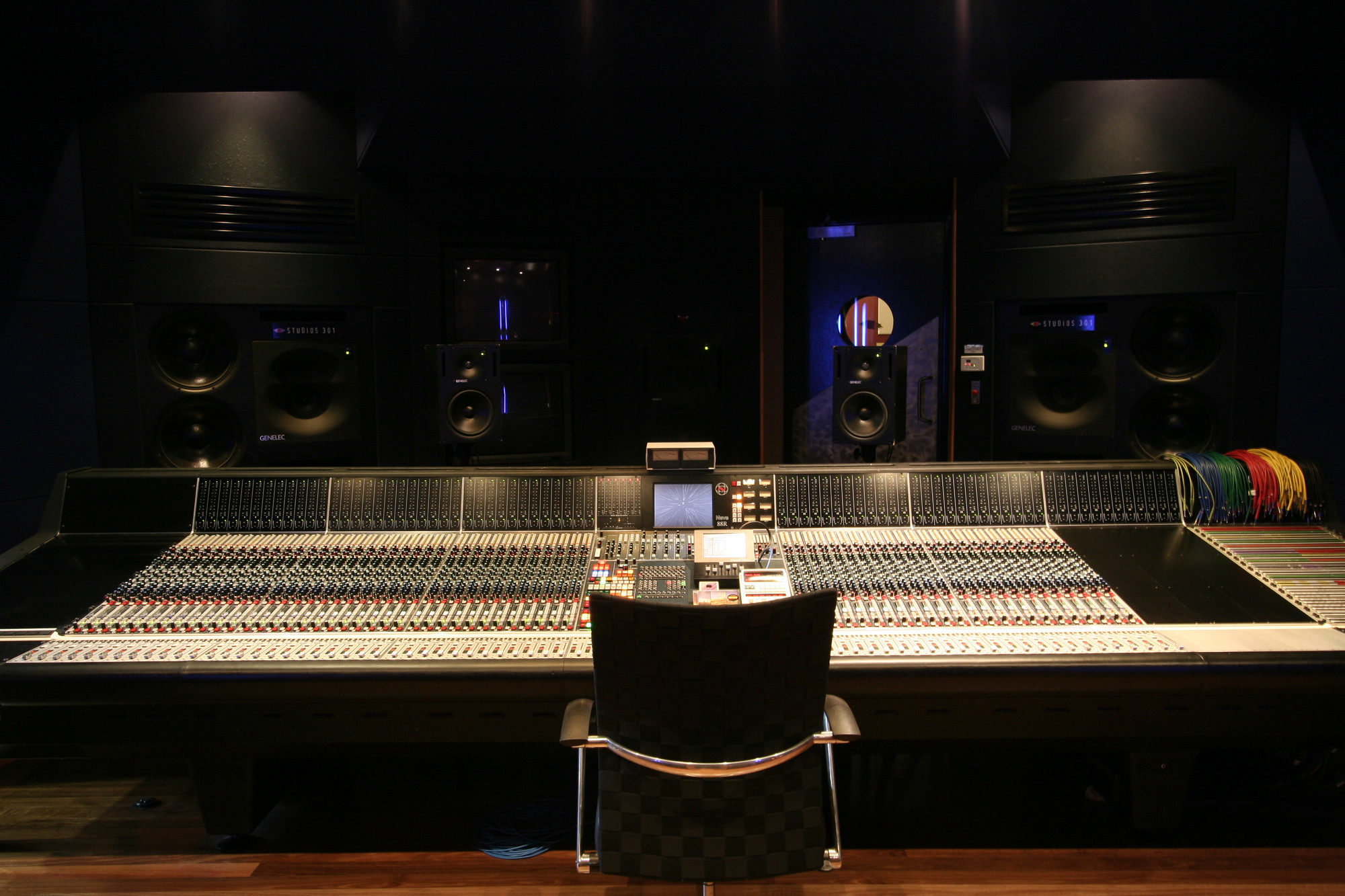
88RS
2003 – present- Channels
- 48 – 96
- Layout
- In-line
- EQ
- 4-band parametric
Vintage Advertisements