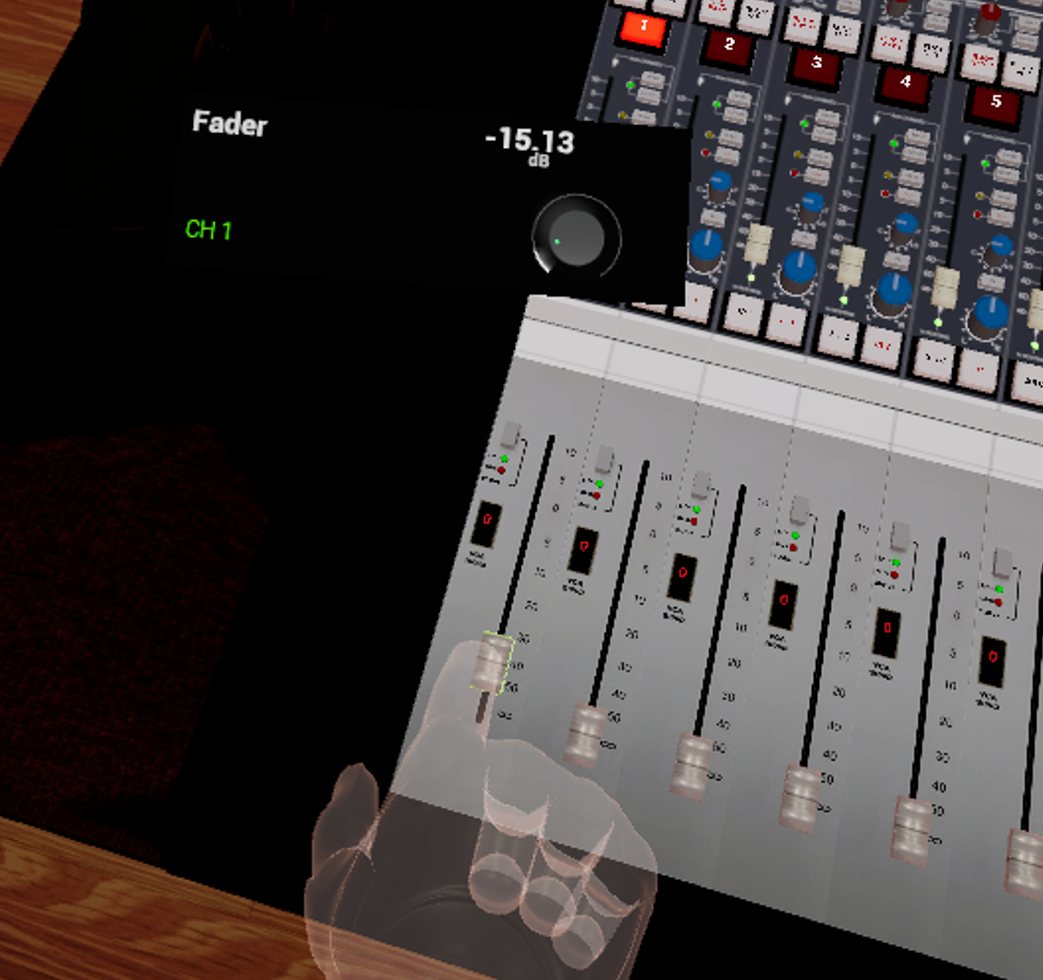
Automation has a first version in the studio.
You record your fader moves. The console plays them back. Save, load, replay. Right now it’s one channel at a time — the next step is bringing it across the whole desk simultaneously, and surfacing it through the console’s own controls instead of a debug menu that only I know how to open.
I’m intentionally going slow here, and I want to explain why.
When VCA automation arrived on real consoles in the early 80s — SSL among the first to bring it to a wide market — it didn’t just add a feature. It changed the nature of the session. Before automation, a mix was performed live: every fader move, every effect ride, every decision made in real time by human hands. After automation, you could commit to a decision and revise it. You could build a mix over days instead of hours.
The history of records from that period is partly the history of engineers learning to think in a new way. Not “how do I ride this in real time” but “what do I want the console to remember.”
I want that same feeling here. Not automation as a button you press on a timeline. Automation as teaching the desk what you want it to do — and having it do that, every time, exactly.