 CC BY-SA 4.0 / Wikimedia Commons
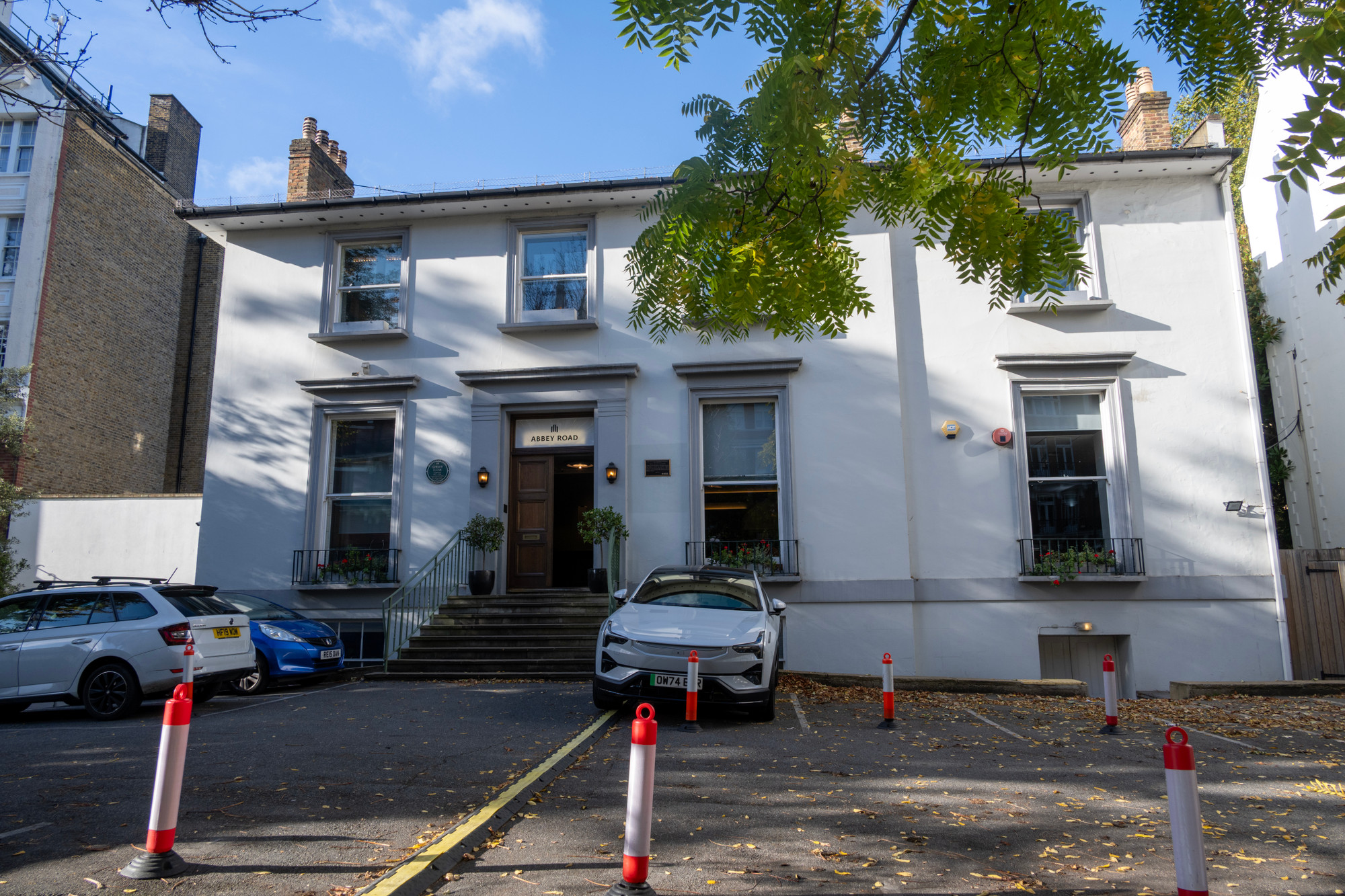
Abbey Road Studios
A Georgian townhouse converted into three rooms by EMI in 1931, staffed by salaried engineers — the studio as a department of a record label.
Full story →Heritage
Ninety years in five chapters — from a Georgian townhouse owned by a record label to a laptop on a kitchen table. 42 rooms in all, arranged by how they worked rather than when they opened.
1931 – 1946
The studio begins as a department of a record label. Purpose-built, acoustically engineered and staffed by salaried engineers, it is not a room you book by the hour — it is a facility you are signed to. The engineers wear lab coats, the sessions run to a clock, and the building belongs to the company whose name is on the label.
3 studios
CC BY-SA 4.0 / Wikimedia Commons
A Georgian townhouse converted into three rooms by EMI in 1931, staffed by salaried engineers — the studio as a department of a record label.
Full story →Established outside Paris by the Compagnie Générale du Gramophone and later absorbed into EMI, its large orchestral room was infrastructure built to serve a national music culture.
Full story →While the labels owned the studios, Paul built his own disc-cutting lathe in a Hollywood garage and layered performances by bouncing between disc recorders — a technique no studio practised.
Full story →1947 – 1962
Magnetic tape collapses the cost of recording. A single engineer with a room and a machine can now cut a record that outsells the majors, and across Memphis, Chicago, Detroit and rural Alabama they repeatedly do. The independent studio stops being a compromise and becomes the place the interesting records come from — and the majors answer by building rooms of their own, which is how Capitol came to sink eight tuned concrete echo chambers under a Hollywood tower.
13 studios
Bill Putnam's own Chicago room put the first artificial reverberation on a commercially released pop record, a tiled bathroom echo that took 'Peg O' My Heart' to number one.
Full story →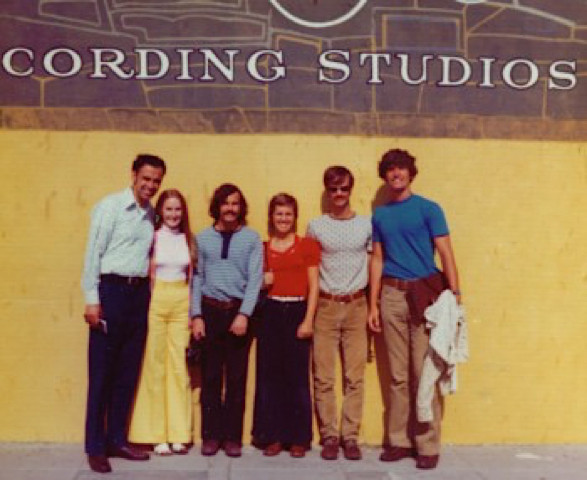 CC BY-SA 4.0 / Wikimedia Commons
Dave Gold and Stan Ross designed echo chambers into a converted Hollywood basement, and Phil Spector rented the room virtually full-time to build the Wall of Sound there.
Full story →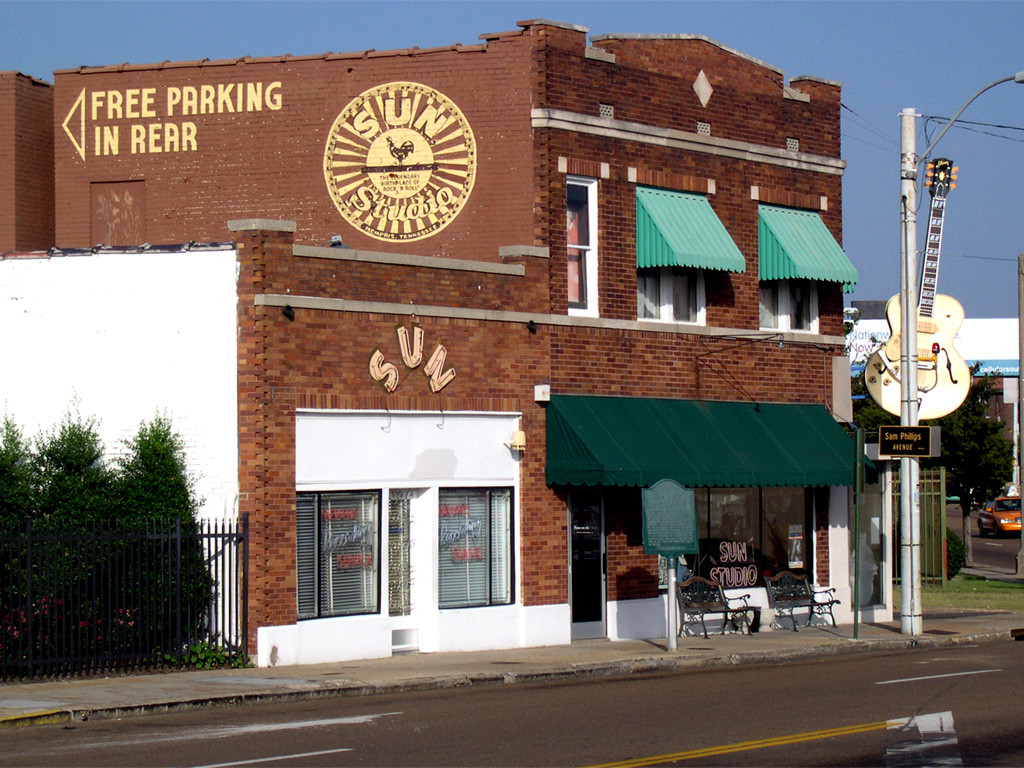 David Jones / Wikimedia Commons (CC BY 2.0)
Sam Phillips ran a storefront on Union Avenue with a tape machine and no house band, and out-recorded every major label in Memphis.
Full story →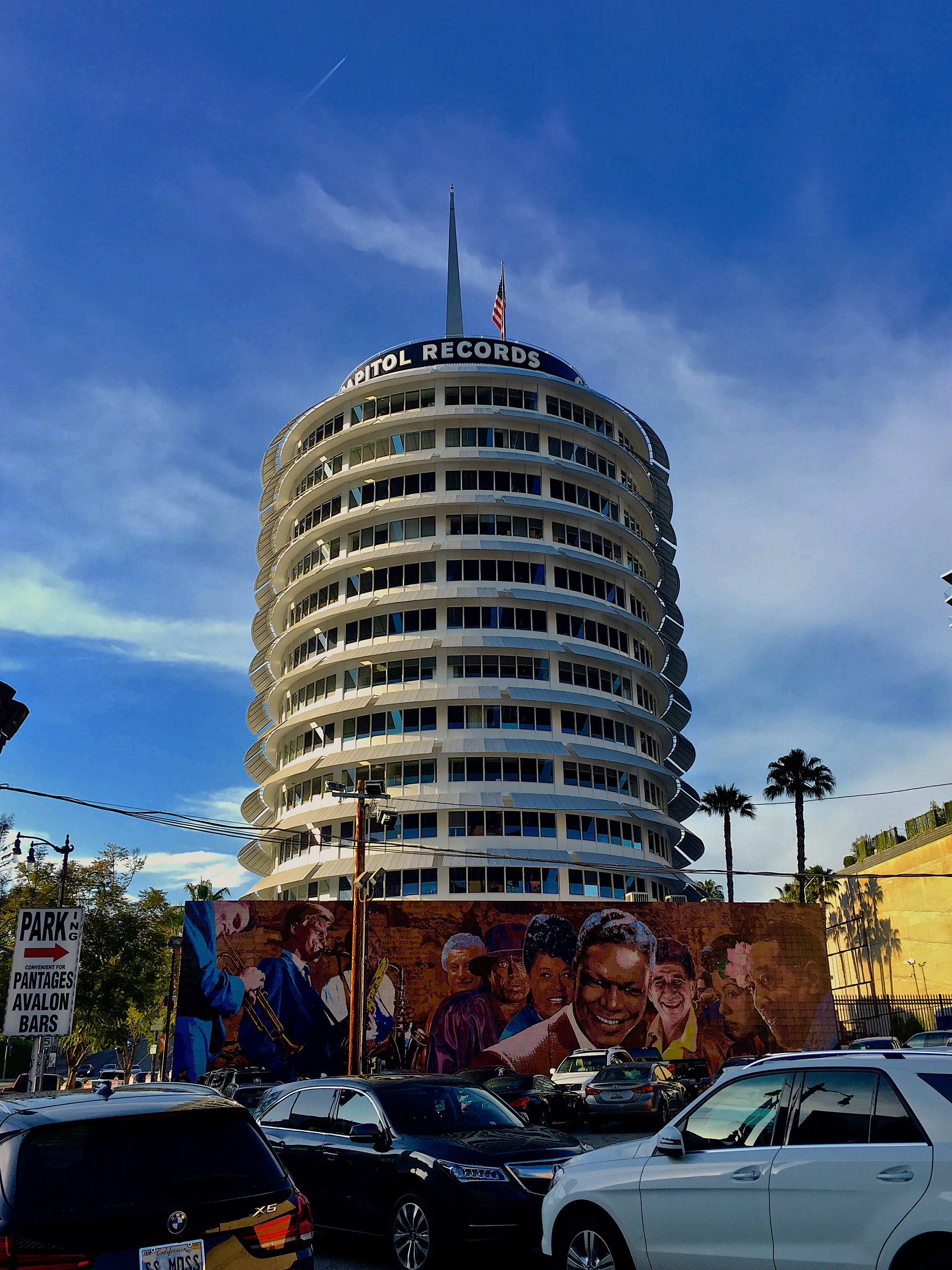 CC BY-SA 4.0 / Wikimedia Commons
A label built a recording facility from the foundation up beneath its own Hollywood tower, with eight concrete echo chambers each tuned to a different reverb time.
Full story →.jpg) CC BY 2.0 / Wikimedia Commons
CC BY 2.0 / Wikimedia Commons
Bill Porter designed a live, slightly ambient room against the dry New York and Los Angeles fashion, and the Nashville Sound was largely developed inside it.
Full story →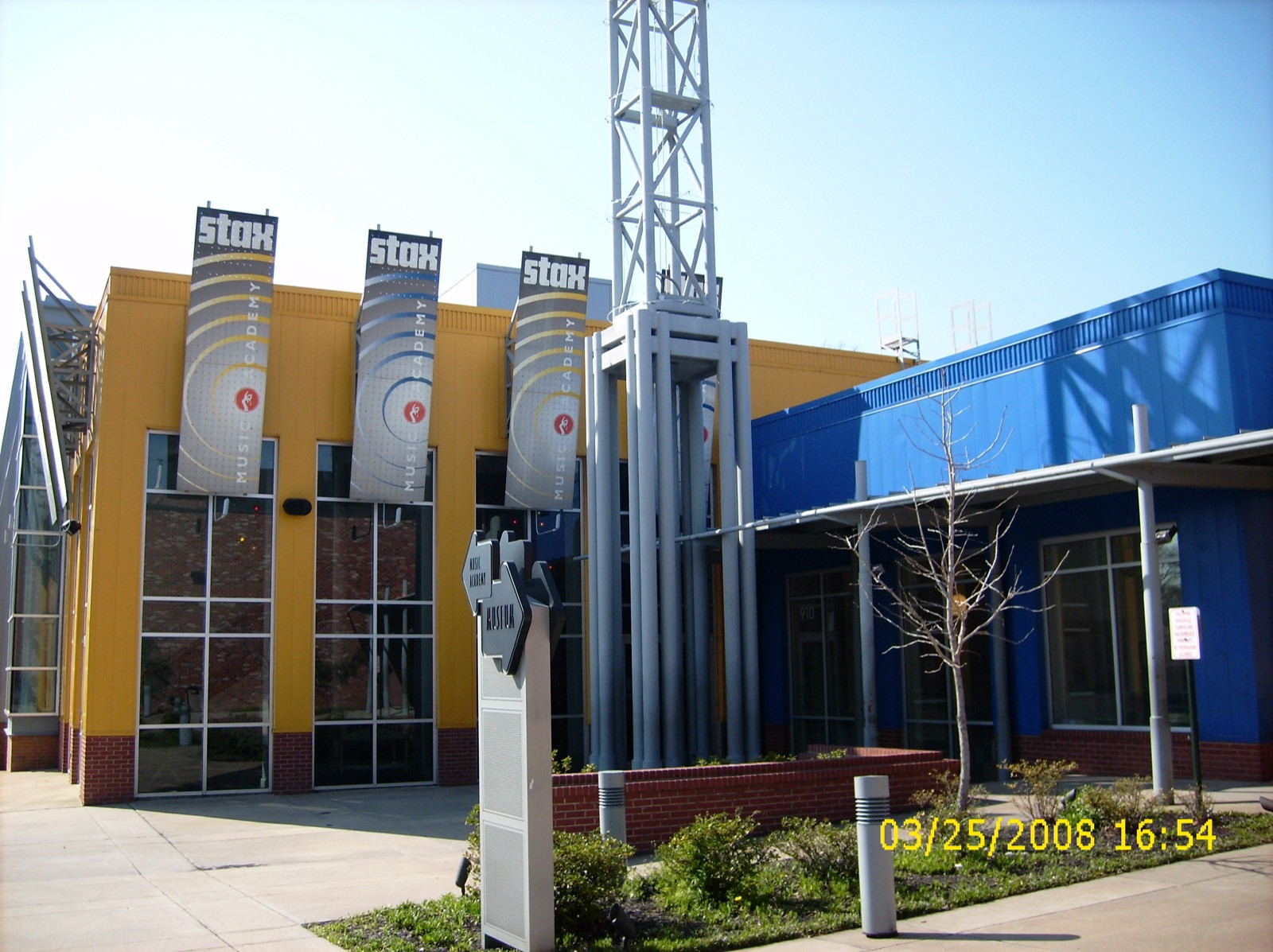 Avalon Frost / Wikimedia Commons (CC BY 2.0)
Jim Stewart and Estelle Axton took over a disused Memphis cinema and kept its sloping floor, an acoustic quirk that gave their records a big, deep, slightly raw room sound.
Full story →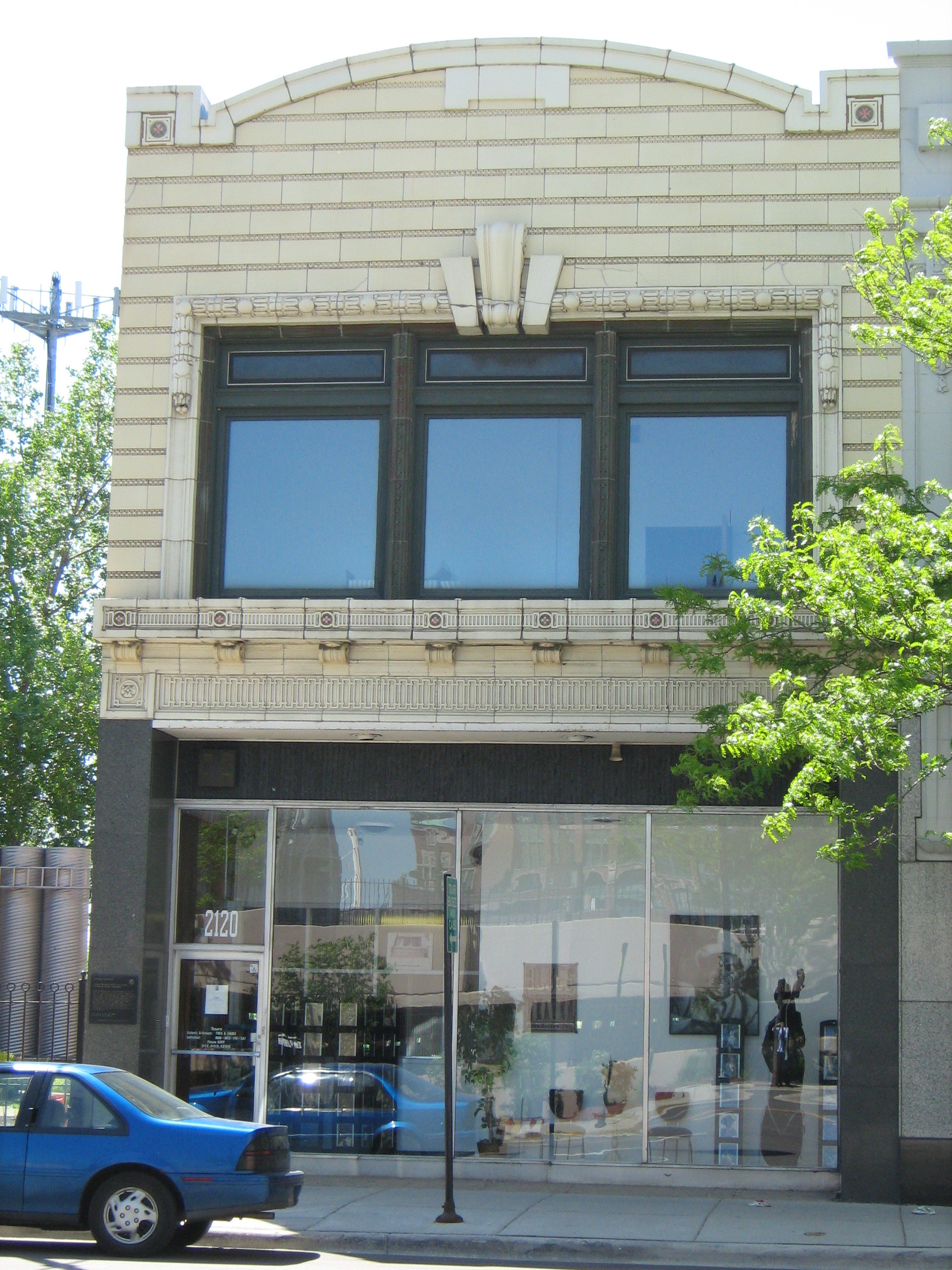 CC BY-SA 2.0 / Zol87 / Wikimedia Commons
Chess built its own room once its Chicago hits could pay for one, cutting the Rolling Stones' address-naming instrumental and Koko Taylor's 'Wang Dang Doodle' before outgrowing the building in 1967.
Full story →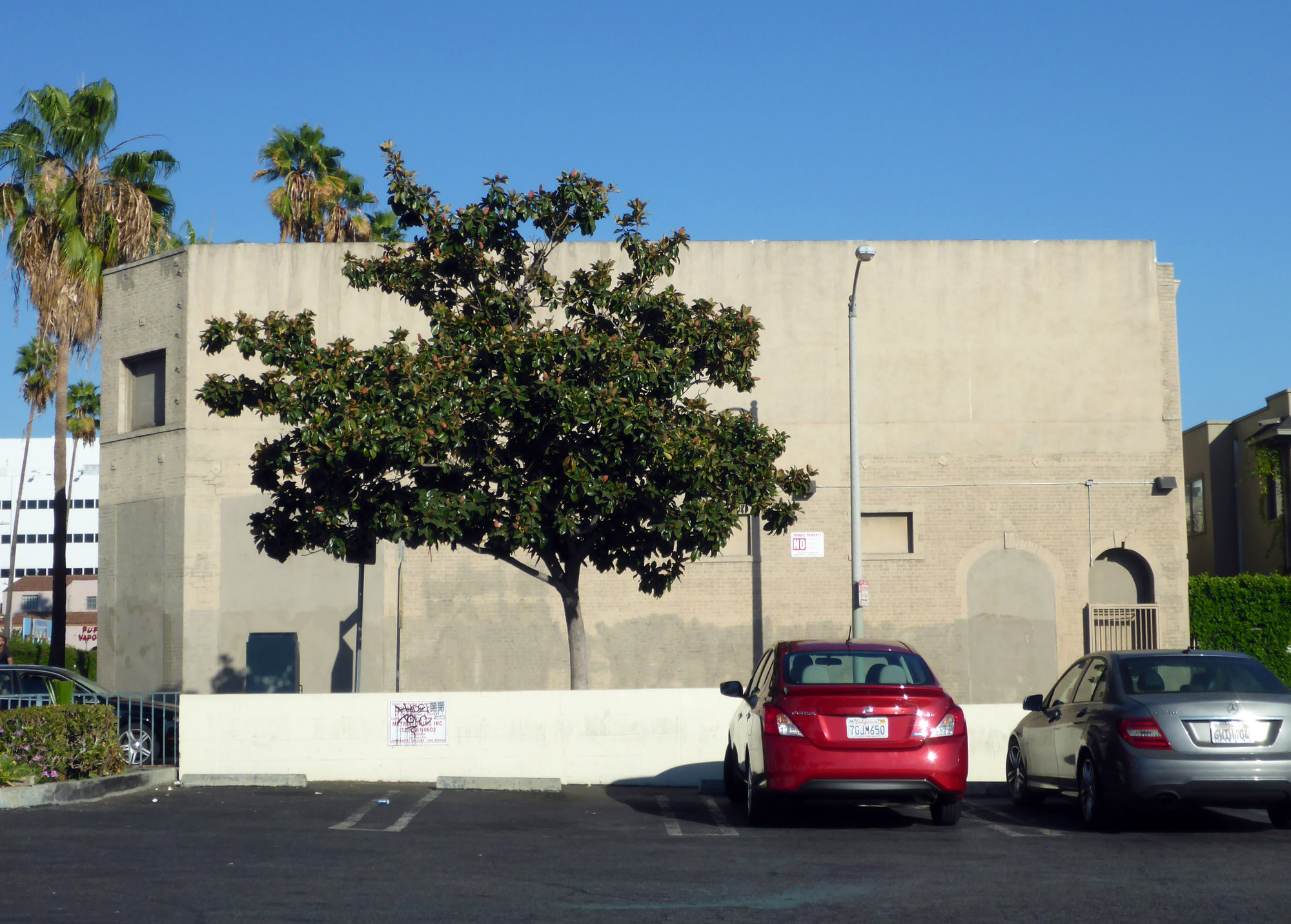 CC BY-SA 4.0 / Wikimedia Commons
Tutti Camarata built it to record Disney film soundtracks and deliberately retained room liveness that most studios of the era were trying to eliminate, which became its defining asset.
Full story →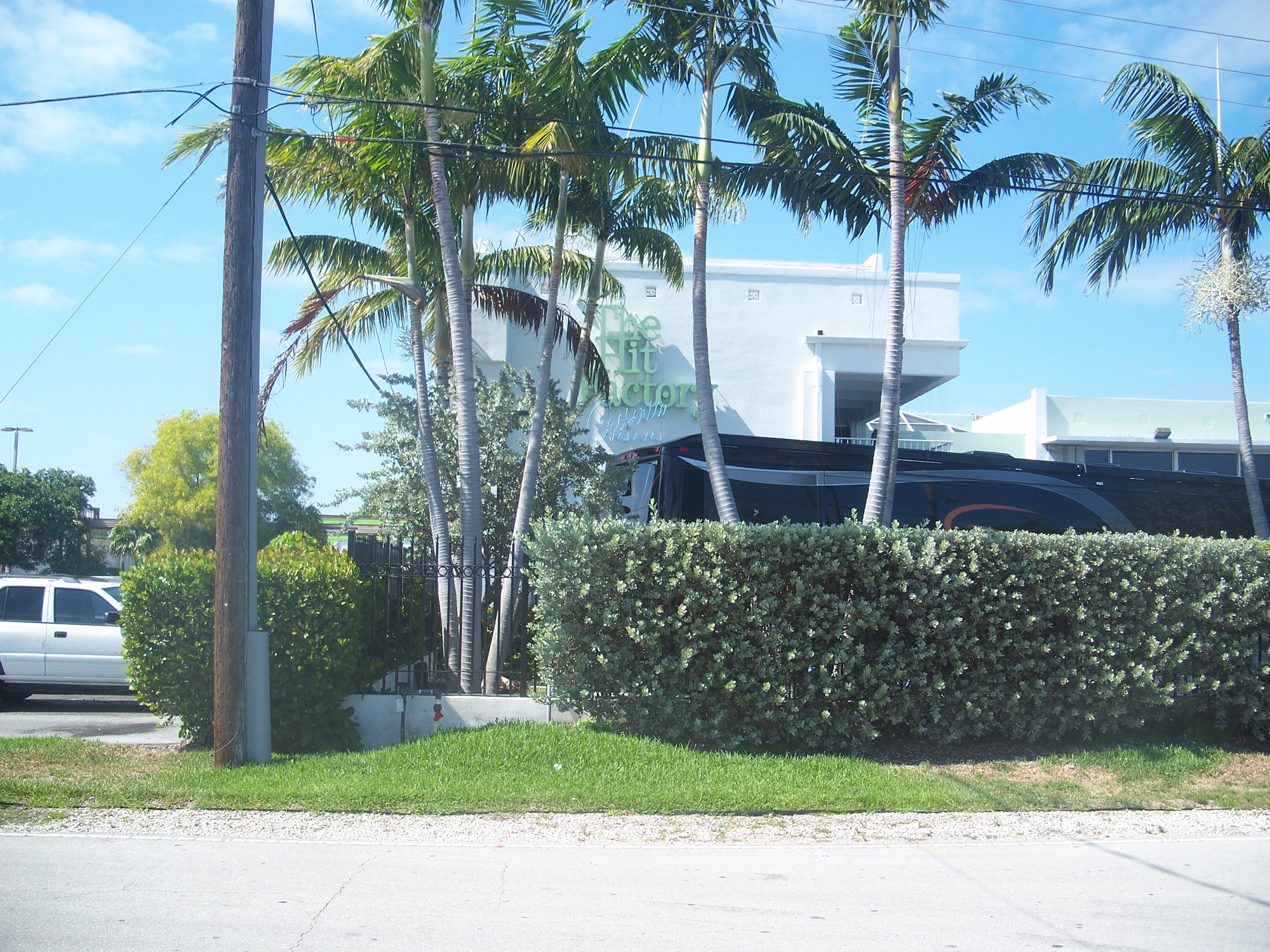 CC BY-SA 3.0 / Wikimedia Commons
Mack Emerman competed on maintenance: the best available tape machines and consoles, kept to a standard few independent studios matched, drawing talent through operational reliability.
Full story →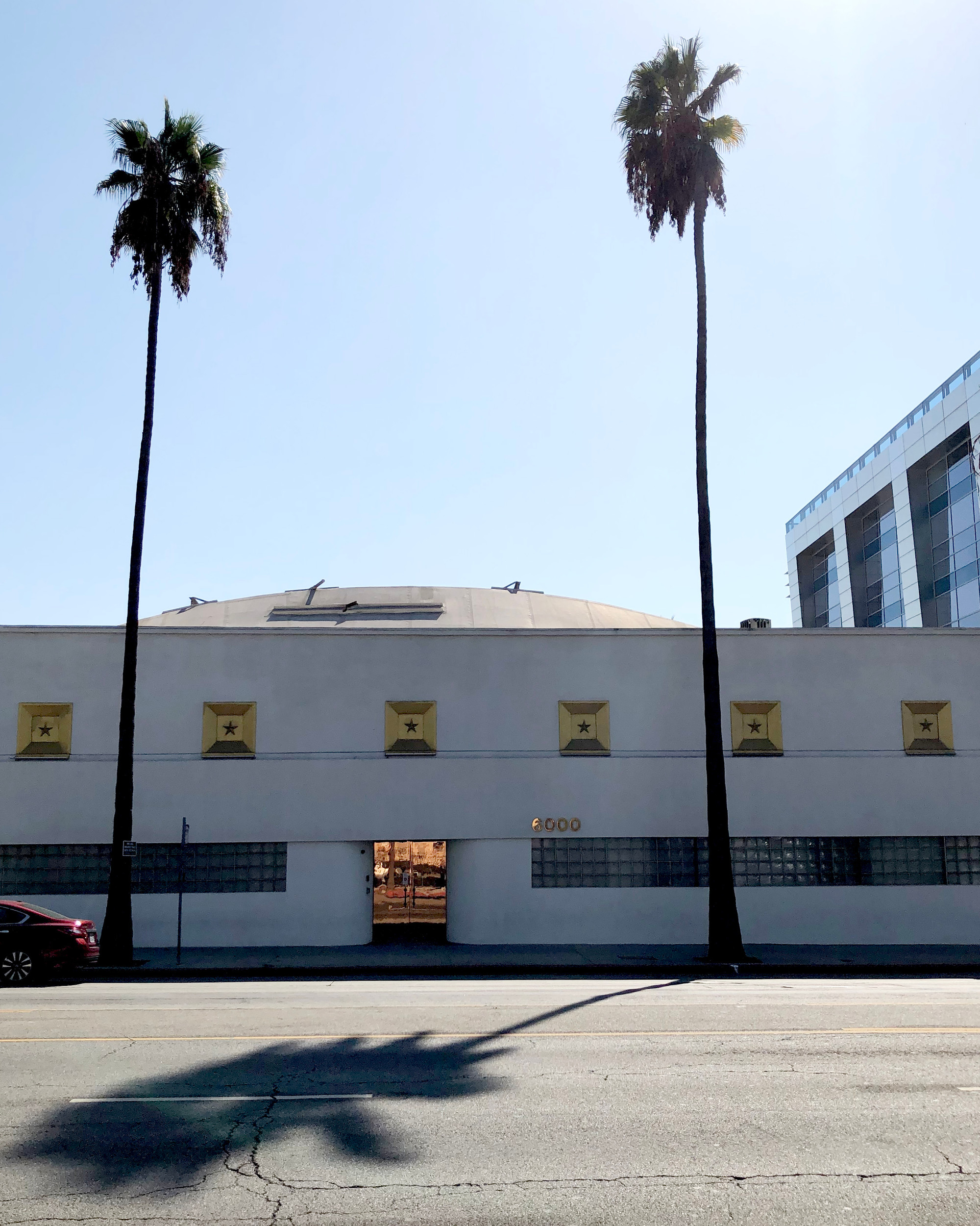 CC0 / Blz 2049 / Wikimedia Commons
Putnam moved his console-building craft from Chicago to Hollywood, and the studio he built there also manufactured the LA-2A and 1176, two compressors still standard today.
Full story →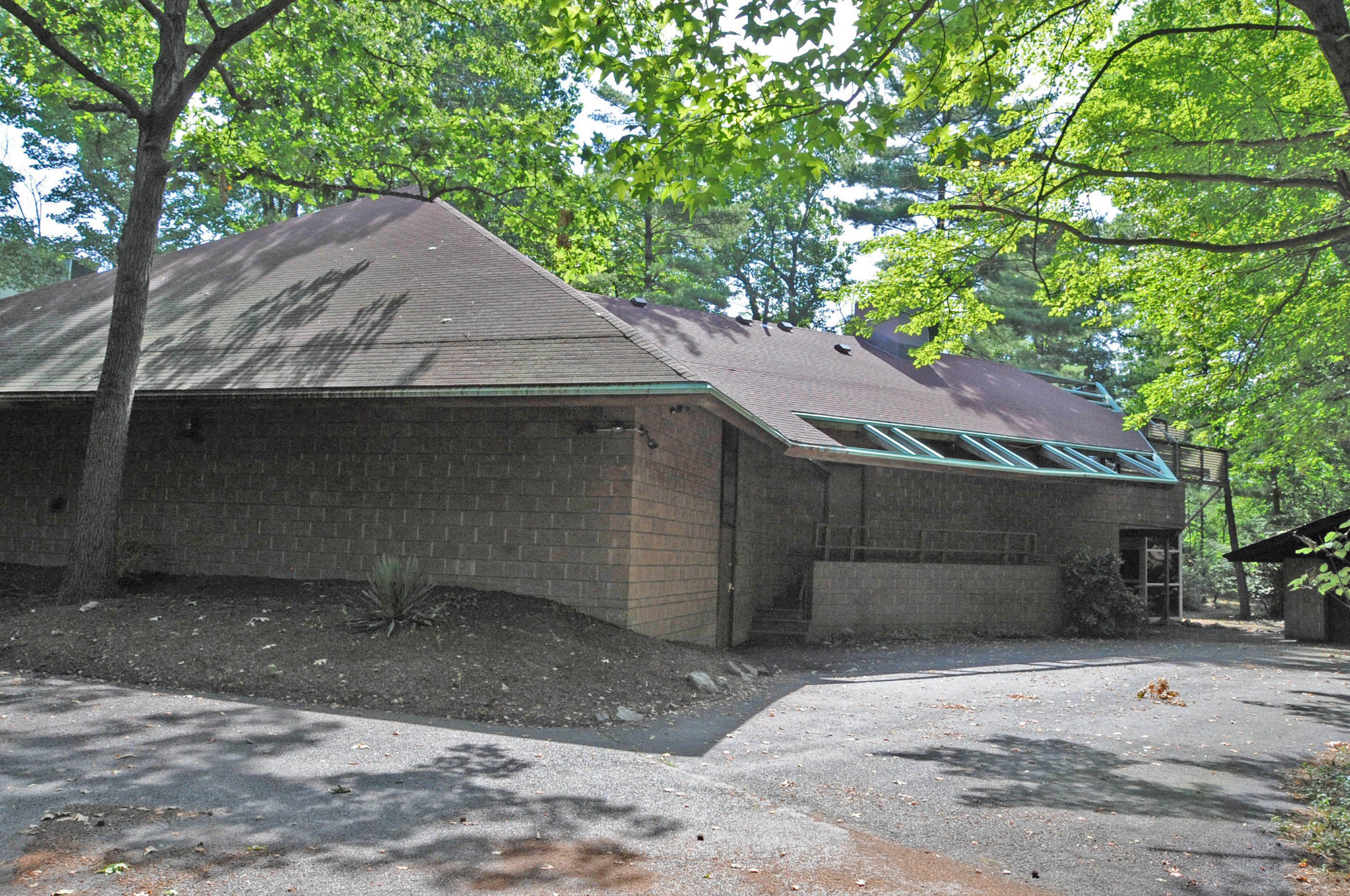 CC BY-SA 4.0 / Wikimedia Commons
An optometrist recording Blue Note and Prestige sessions in his parents' living room scaled the method up into a purpose-built Englewood Cliffs studio of his own design.
Full story →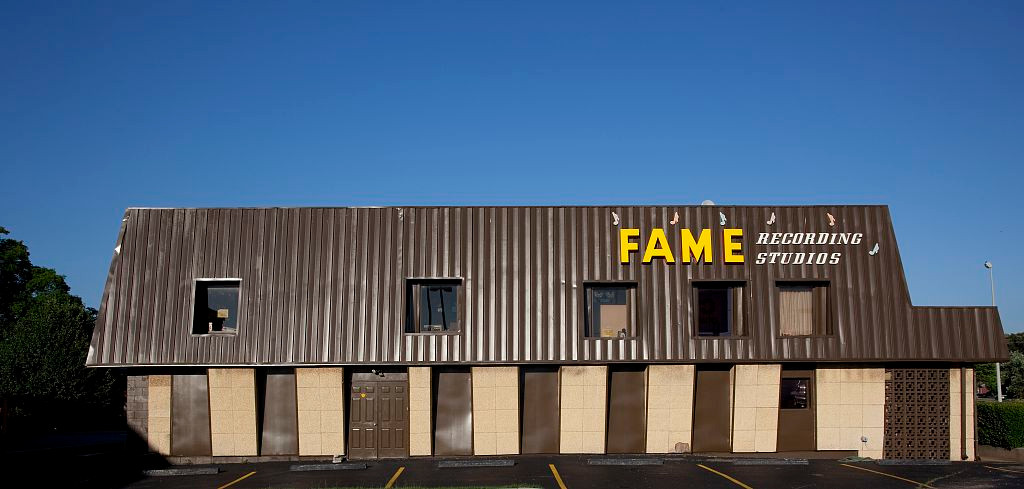 Carol M. Highsmith / Library of Congress (public domain)
Rick Hall's room a long way from New York and Los Angeles became the engine of the gritty Southern-soul sound and drew Atlantic Records to rural northwest Alabama.
Full story →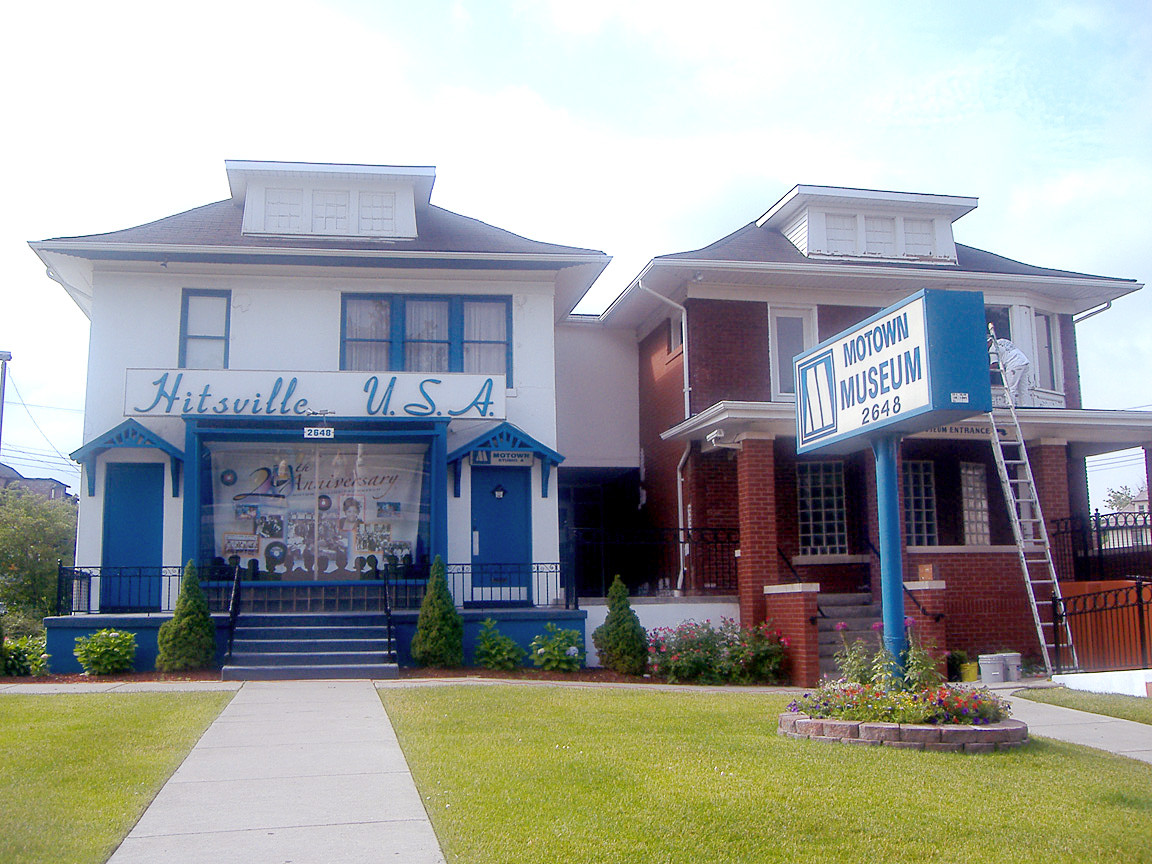 Chris Butcher / Wikimedia Commons (public domain)
Berry Gordy converted the back of a Detroit house into Studio A and ran a hit factory from it, a hundred and ten US Top Ten singles in a decade.
Full story →1963 – 1972
Multitrack recording turns the room from something that captures a performance into something that builds one. Overdubs, tape delay, varispeed and the mixing desk itself become compositional tools, and the engineer becomes a co-author. Most of the studios that still matter were founded in this decade.
13 studios
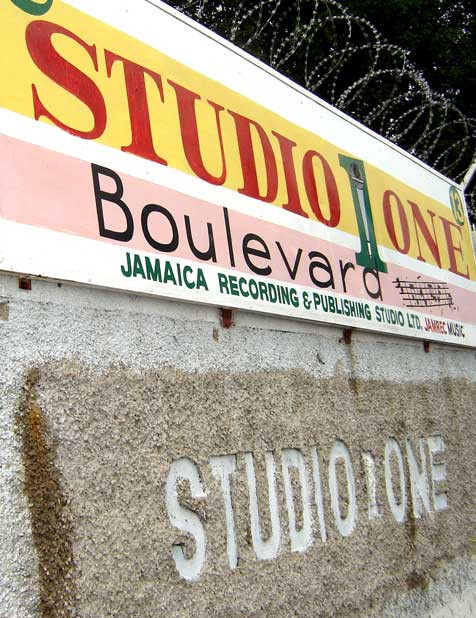 CC BY 2.0 / Wikimedia Commons
Coxsone Dodd's single-track mono room made its limitations the creative engine: arrangements had to be concise and the mix had to work in mono before it worked anywhere.
Full story →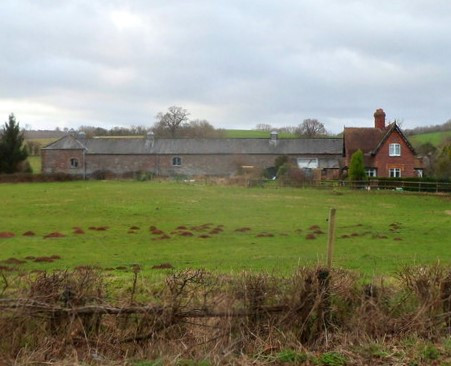 CC BY-SA 2.0 / Wikimedia Commons
The Ward brothers turned farm outbuildings near Monmouth into the first purpose-built residential studio, so bands lived inside the music instead of commuting to it by the hour.
Full story →.jpg) CC BY-SA 2.0 / Wikimedia Commons
CC BY-SA 2.0 / Wikimedia Commons
Keith Grant built the tracking room large and live with minimal treatment, against the fashion for dead controlled spaces, so a rock band sounded like a band playing.
Full story → John Kilgore / John Townley
John Townley's loft broke from the uptown majors with the first independent cue system built into a console, faders in place of pots, and a prototype twelve-track Scully.
Full story →.jpg) CC BY-SA 2.0 / Chris / Wikimedia Commons
CC BY-SA 2.0 / Chris / Wikimedia Commons
The Sheffield brothers' Soho basement had an eight-track machine before Abbey Road or Olympic, which is why the Beatles cut 'Hey Jude' there rather than at their own studio.
Full story →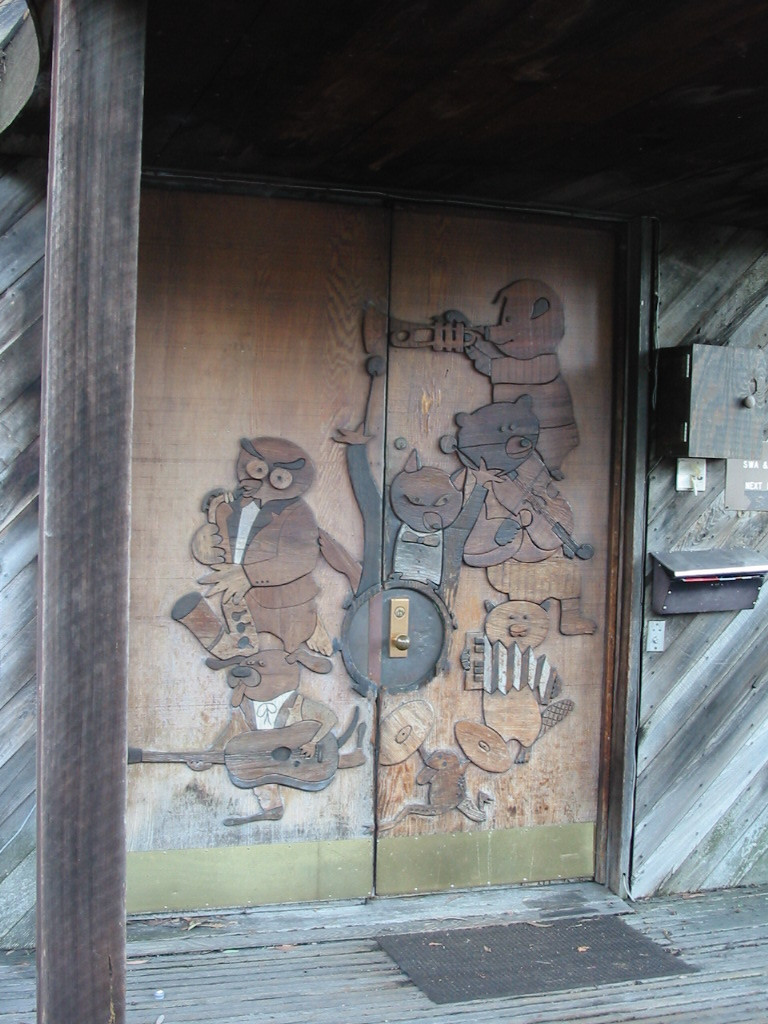 CC BY-SA 3.0 / Binksternet / Wikimedia Commons
Kellgren and Stone designed each Record Plant room as a comfortable, non-clinical space rather than a laboratory, treating the studio's atmosphere itself as part of what an album needed.
Full story →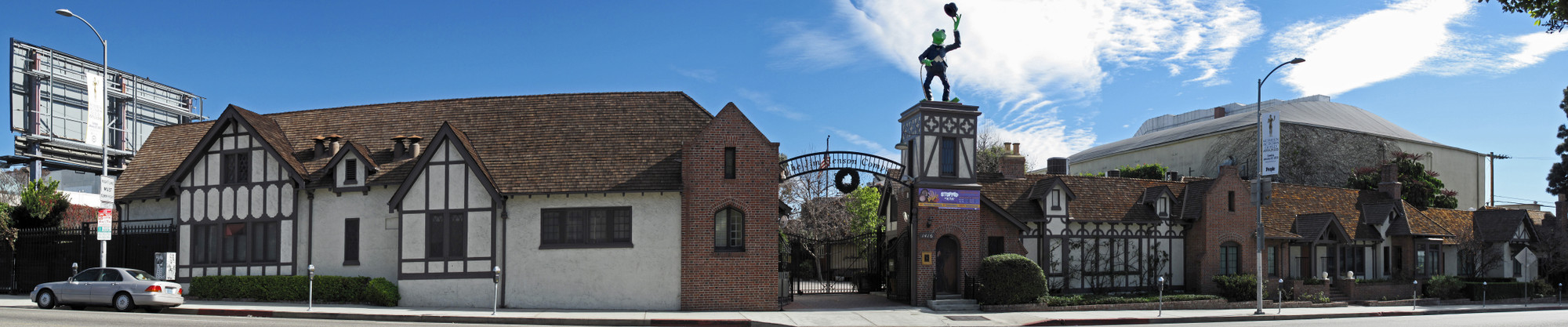 CC BY-SA 3.0 / Downtowngal / Wikimedia Commons
A label converted a Chaplin-era film lot into a working studio in 1968, and within three years the same rooms had produced both Tapestry and Blue.
Full story →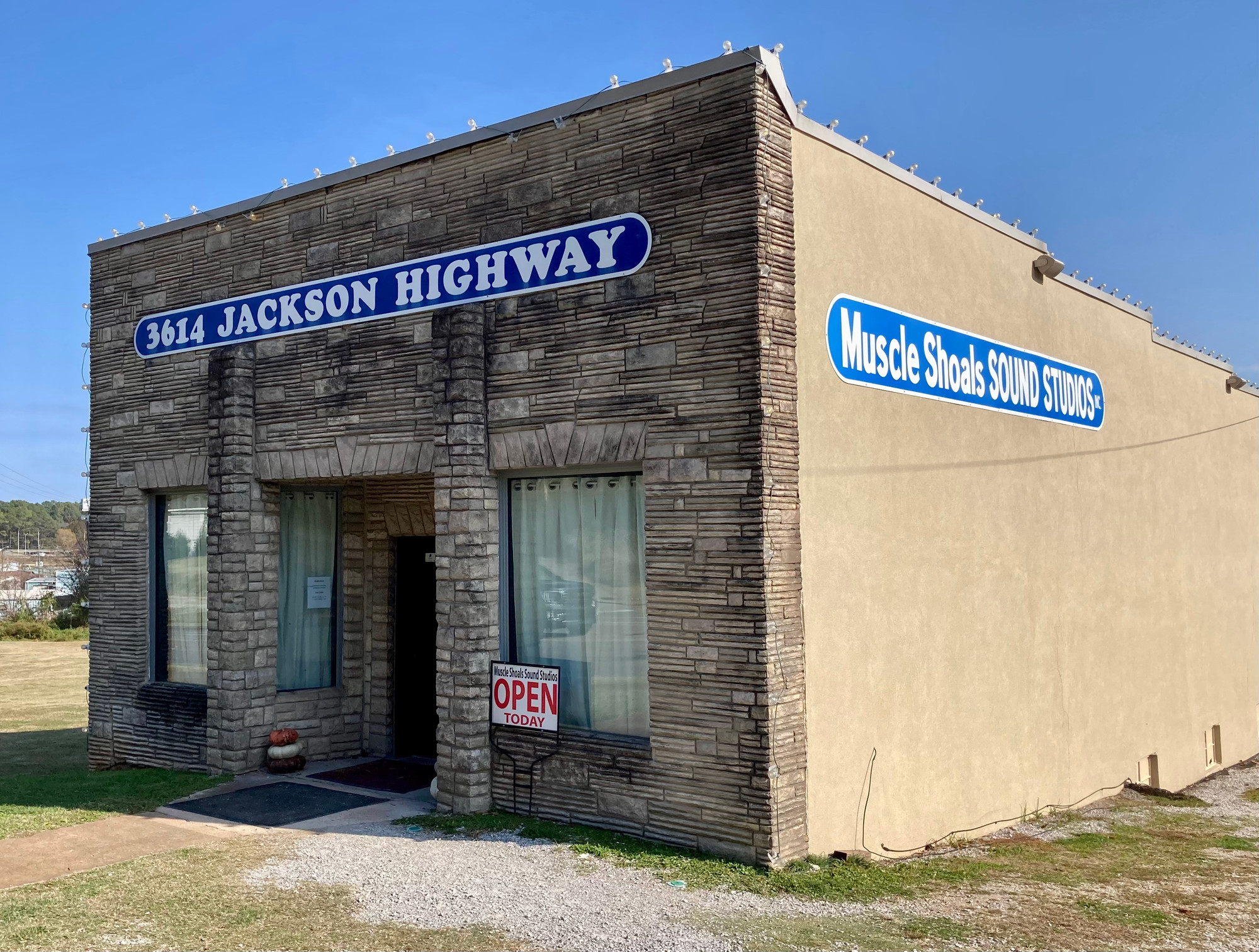 CC BY-SA 4.0 / Wikimedia Commons
The Swampers left FAME to own the room they played in, and the Rolling Stones came to Sheffield drawn by the reputation of those four musicians.
Full story →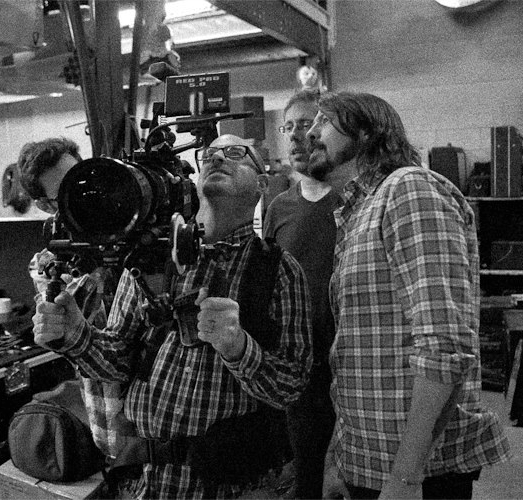 CC BY-SA 3.0 / Wikimedia Commons
A nondescript Van Nuys industrial building housed a hand-wired Neve, and engineers described that console in that room as a convergence that could not be engineered or replicated.
Full story →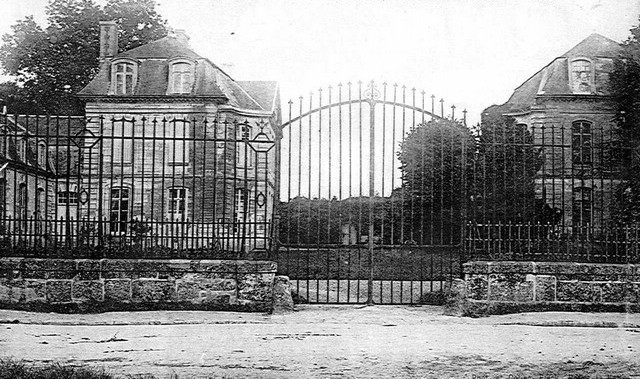 Public domain / Wikimedia Commons
Michel Magne converted a country house because its stone walls and vaulted cellars made reverb chambers no purpose-built studio could replicate, then ran it as a residential studio.
Full story →Tom Jung and Herb Pilhofer built for fidelity at a time when most regional studios were demo rooms, pulling national clients off the coasts and into Minnesota.
Full story →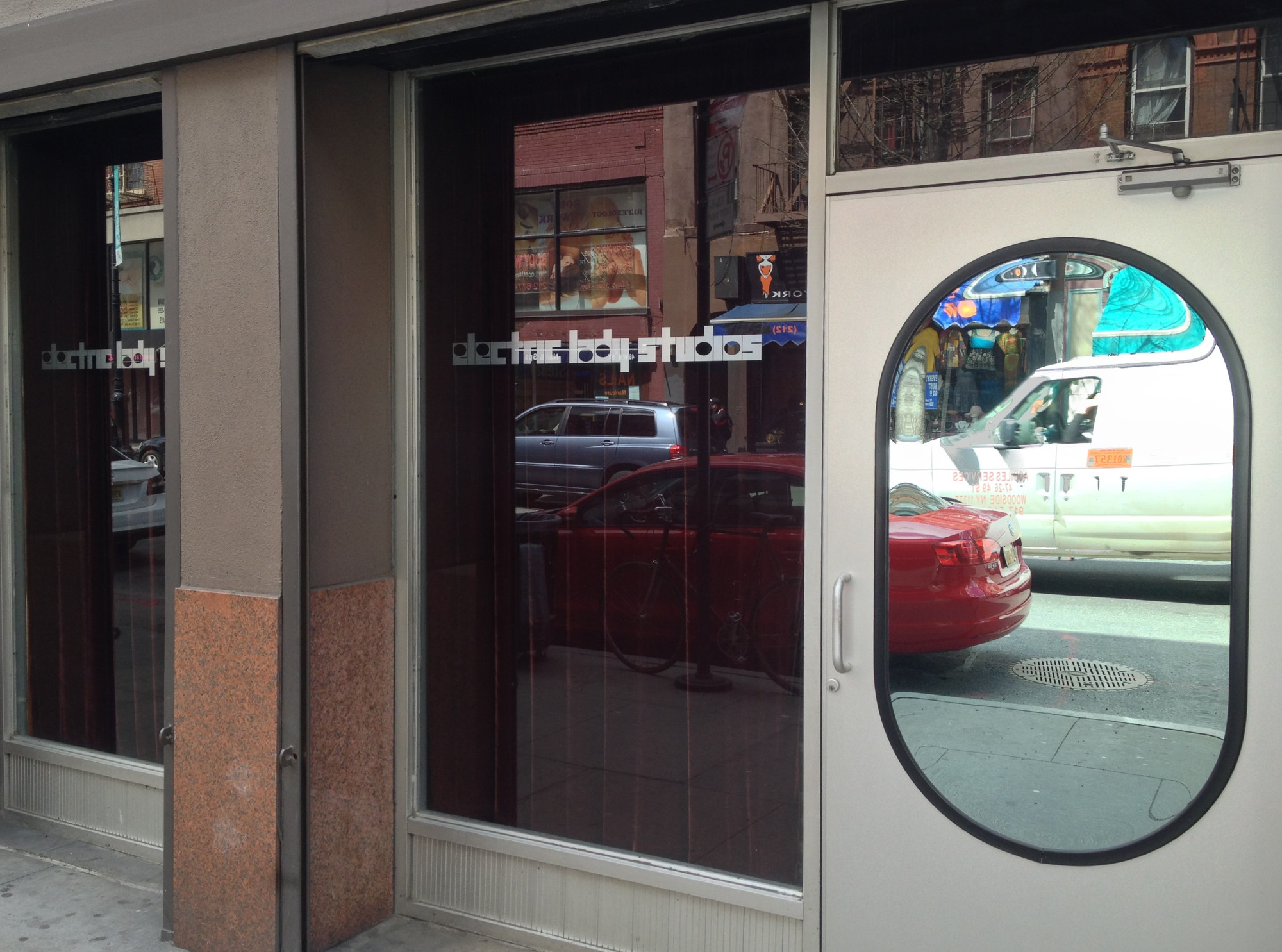 CC BY-SA 3.0 / Wikimedia Commons
Hendrix built a room to his own specification rather than book one by the hour, treating the studio itself as part of the instrument.
Full story →Tubby built his own mixing board because no commercial equipment could do what he needed, then played it in real time, dropping the vocal and swelling reverb into the space.
Full story →1973 – 1985
Console automation and major-label budgets produce the destination studio: record where you want to be, for as long as the advance lasts. Nassau, Montserrat, a French château. The same era produces its own opposite — artists who build a studio, a pressing plant and a distributor and never have to leave home at all.
8 studios
 CC BY-SA 4.0 / Wikimedia Commons
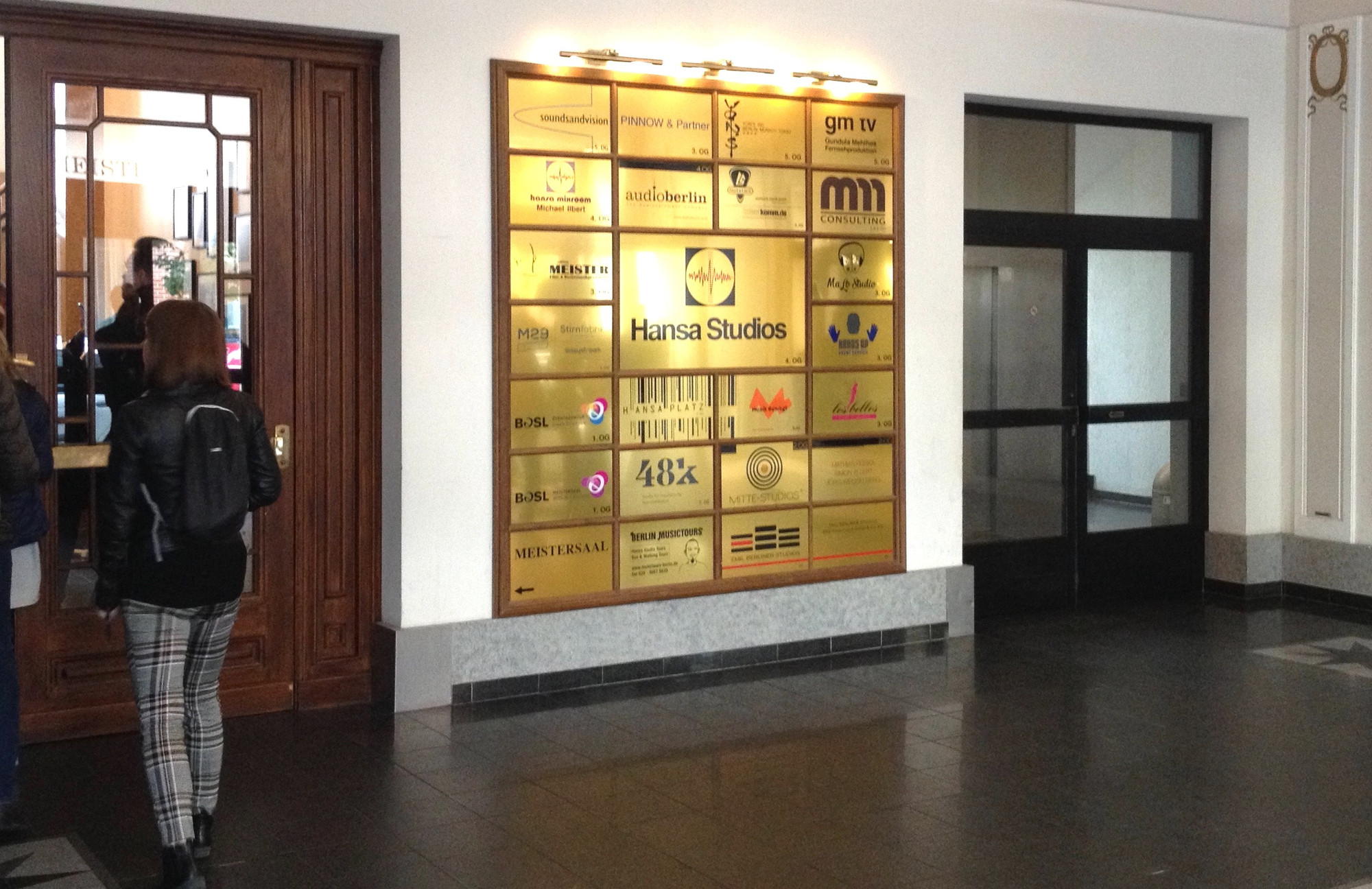
Bowie went to Berlin for the city's creative anonymity and cut 'Heroes' in a former ballroom, three microphones gated so the room only opened when he sang at full intensity.
Full story →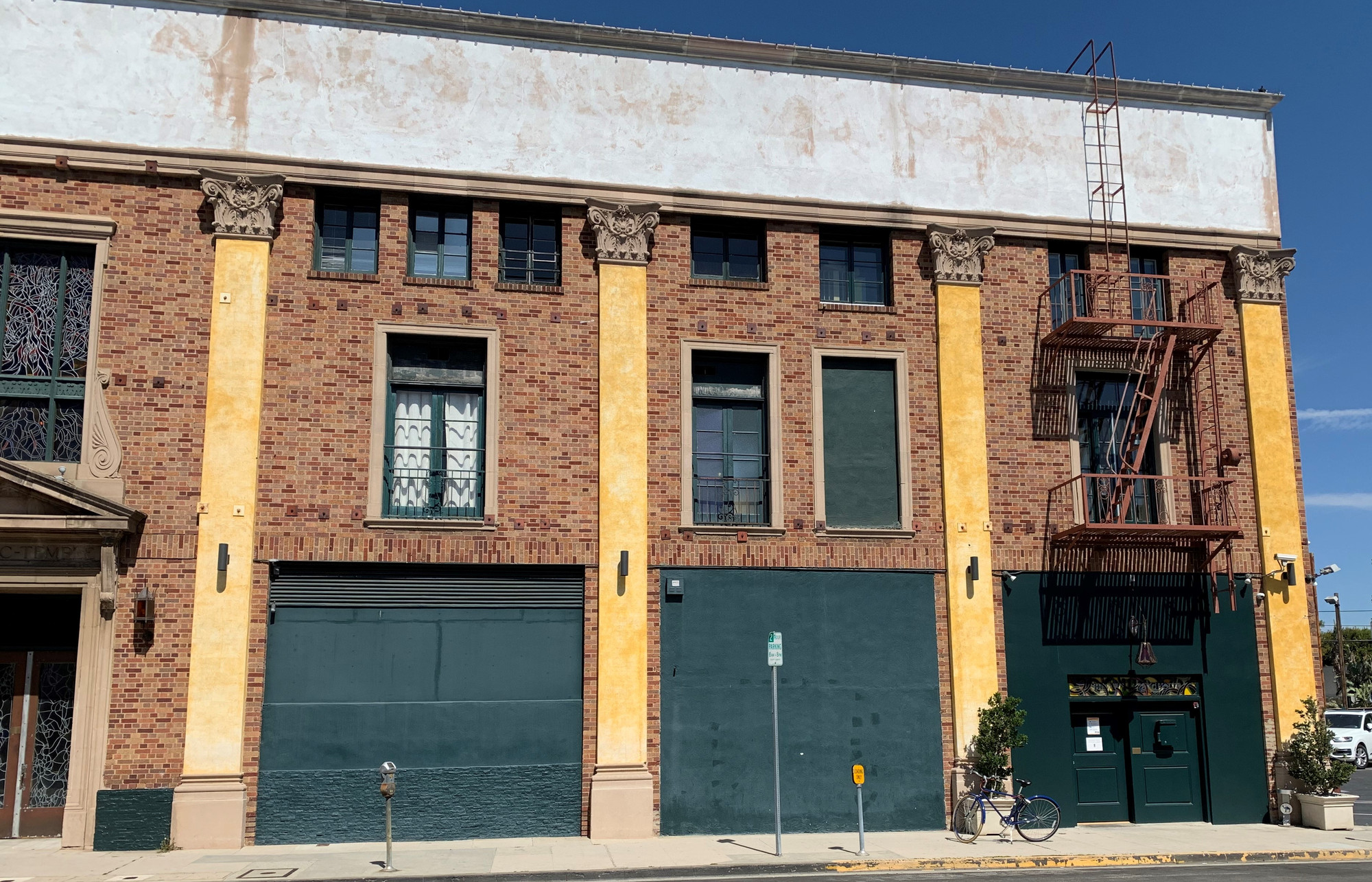 CC BY-SA 4.0 / DocFreeman24 / Wikimedia Commons
The building opened as a studio in 1968, but its defining work came a decade later, when Fleetwood Mac had Studio D built to their own specification for the Tusk sessions.
Full story →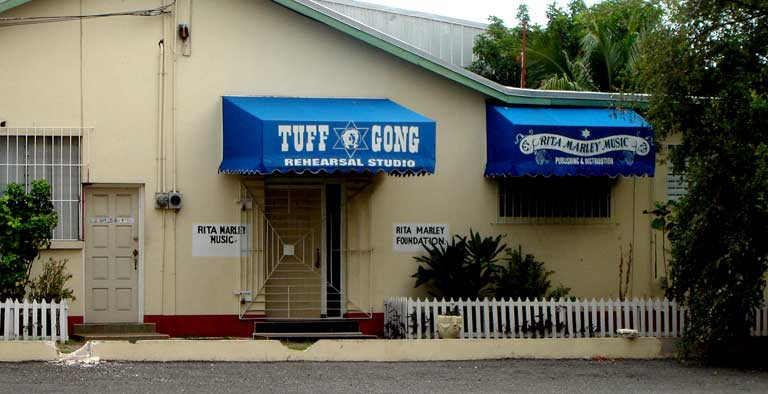 CC BY 2.0 / Wikimedia Commons
Marley's Hope Road house was home, record shop and label headquarters at once, and the later Marcus Garvey Drive move gathered studio, mastering, pressing plant and distribution under one roof.
Full story →.jpg) CC BY-SA 2.0 / Wikimedia Commons
CC BY-SA 2.0 / Wikimedia Commons
Chris Blackwell's Nassau compound made the destination studio literal: fly the band somewhere warm and keep them there until the record is finished.
Full story →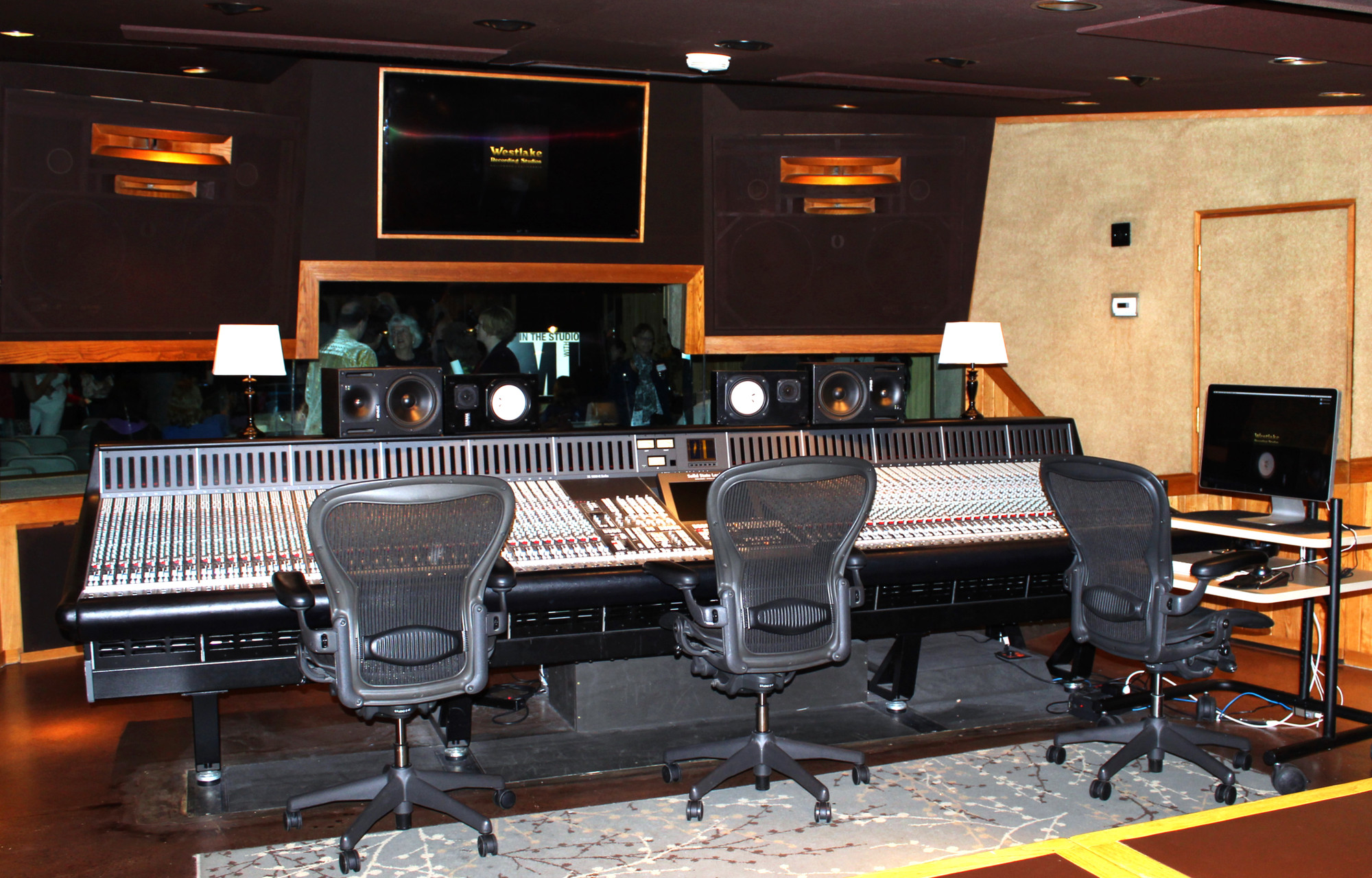 CC BY 2.0 / Wikimedia Commons
Quincy Jones's repeated use established it as the home of the polished, expensive, precisely arranged pop production of the era, and Westlake monitors became reference speakers worldwide.
Full story →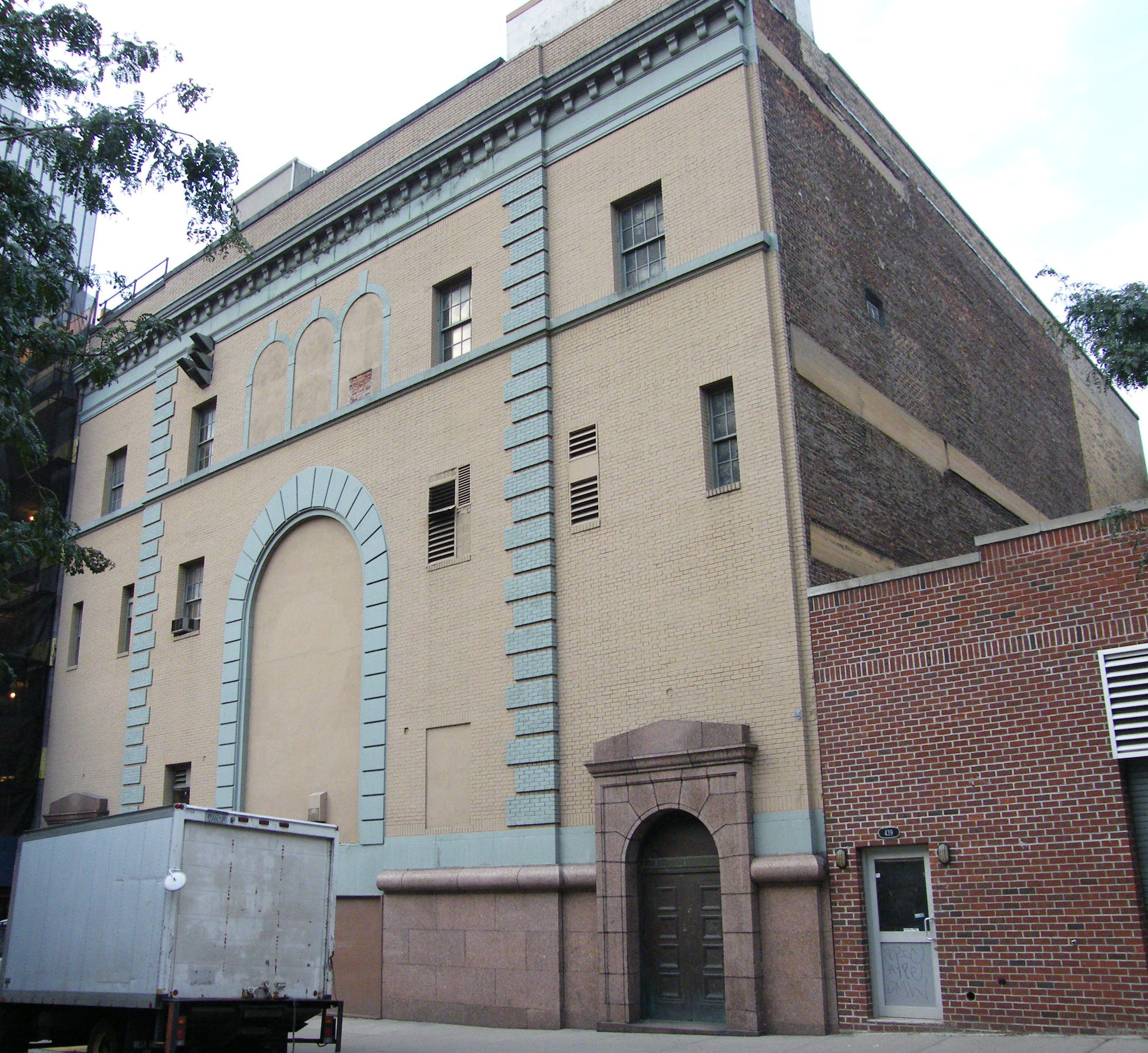 CC BY-SA 3.0 / Americasroof / Wikimedia Commons
Bongiovi built Studio A's live, reflective room around Motown's engineering philosophy rather than the deadened rooms then in fashion, and Bob Clearmountain's mixes there set an era's drum sound.
Full story →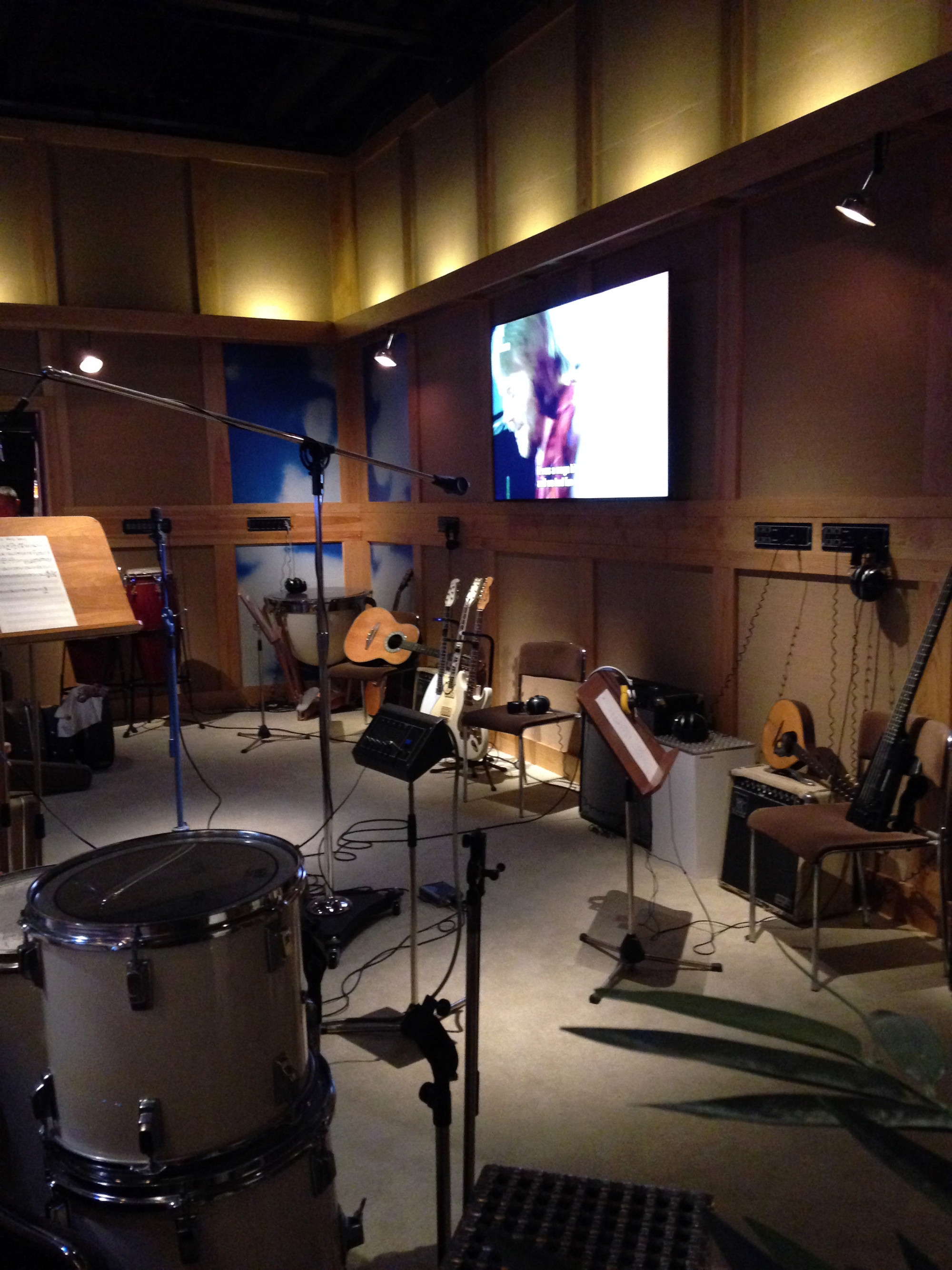 CC BY-SA 4.0 / Wikimedia Commons
ABBA fitted out a Stockholm cinema basement for their own use, freeing themselves from other facilities' commercial booking pressures and equipping it among the most advanced rooms in Europe.
Full story →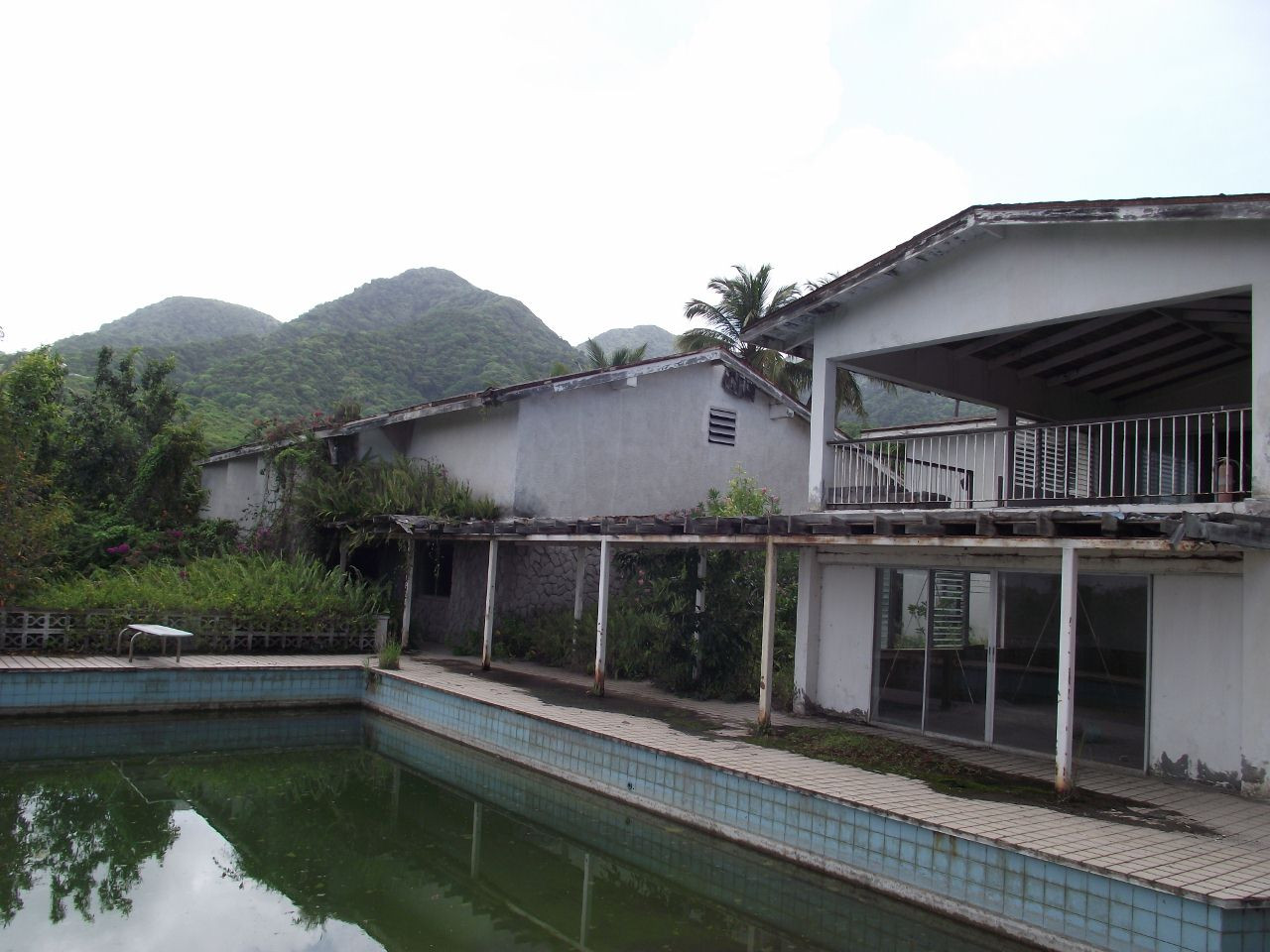 CC BY-SA 3.0 / Wikimedia Commons
George Martin put world-class equipment in a Caribbean villa, and the island's remoteness meant artists stayed for weeks and could not be drawn back into the industry.
Full story →1986 –
The large commercial room stops being the default. Artist-owned compounds, hip-hop production rooms and the home studio absorb the work, and the economics that sustained a fifty-person facility with three live rooms quietly stop adding up.
5 studios
 CC BY 4.0 / Jim.henderson / Wikimedia Commons
By the time its seven-studio 421 West 54th Street headquarters closed in 2005, the Hit Factory was one of the last full-service commercial rooms operating in New York at that scale.
Full story →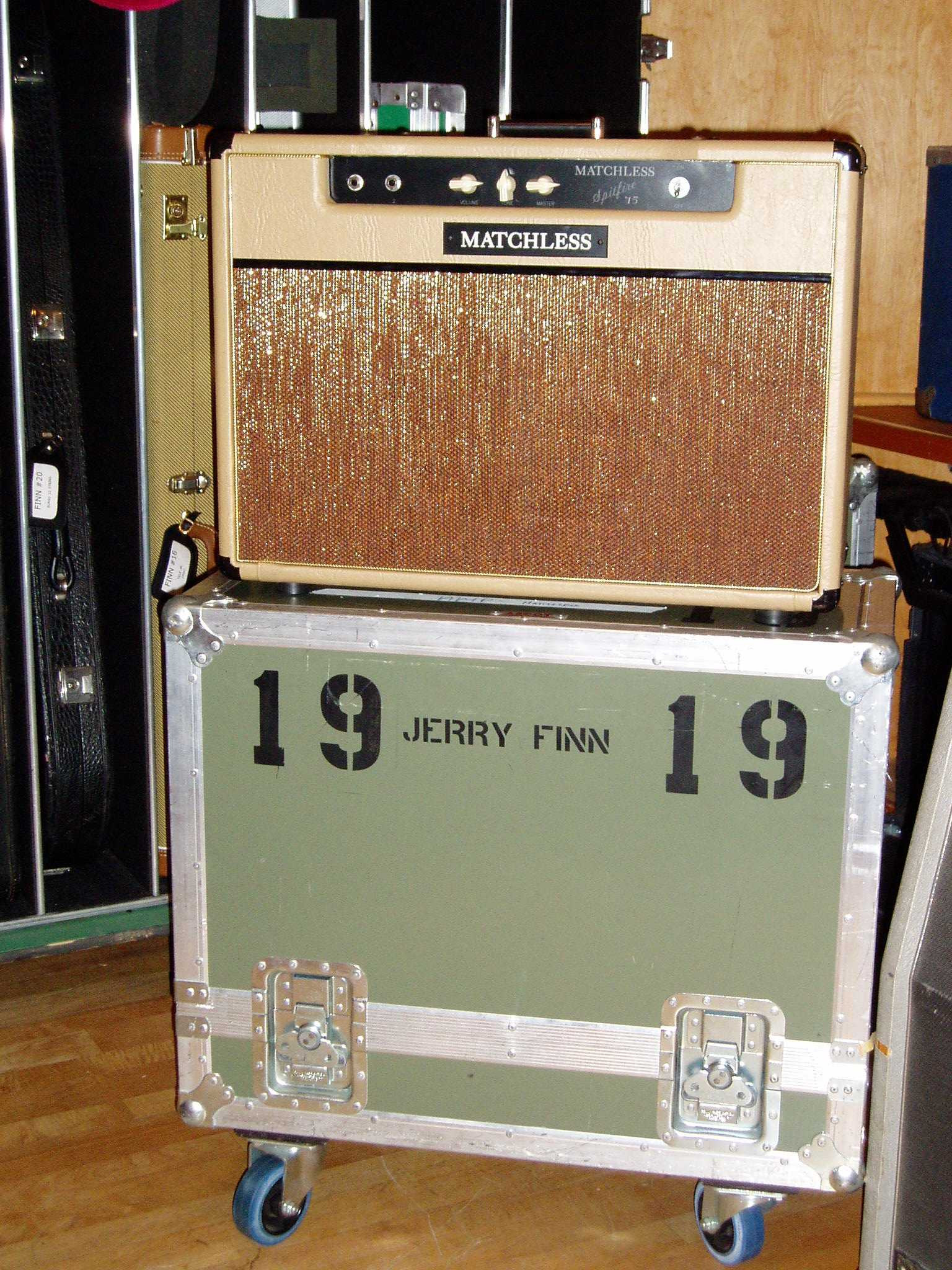 CC BY-SA 4.0 / John Jennings / Wikimedia Commons
Conway grew into a five-studio Santa Monica Boulevard campus that has outlasted an industry which regularly retires its studios, still booking major sessions from 1990s West Coast hip-hop through Kendrick Lamar in 2015 and 2017.
Full story →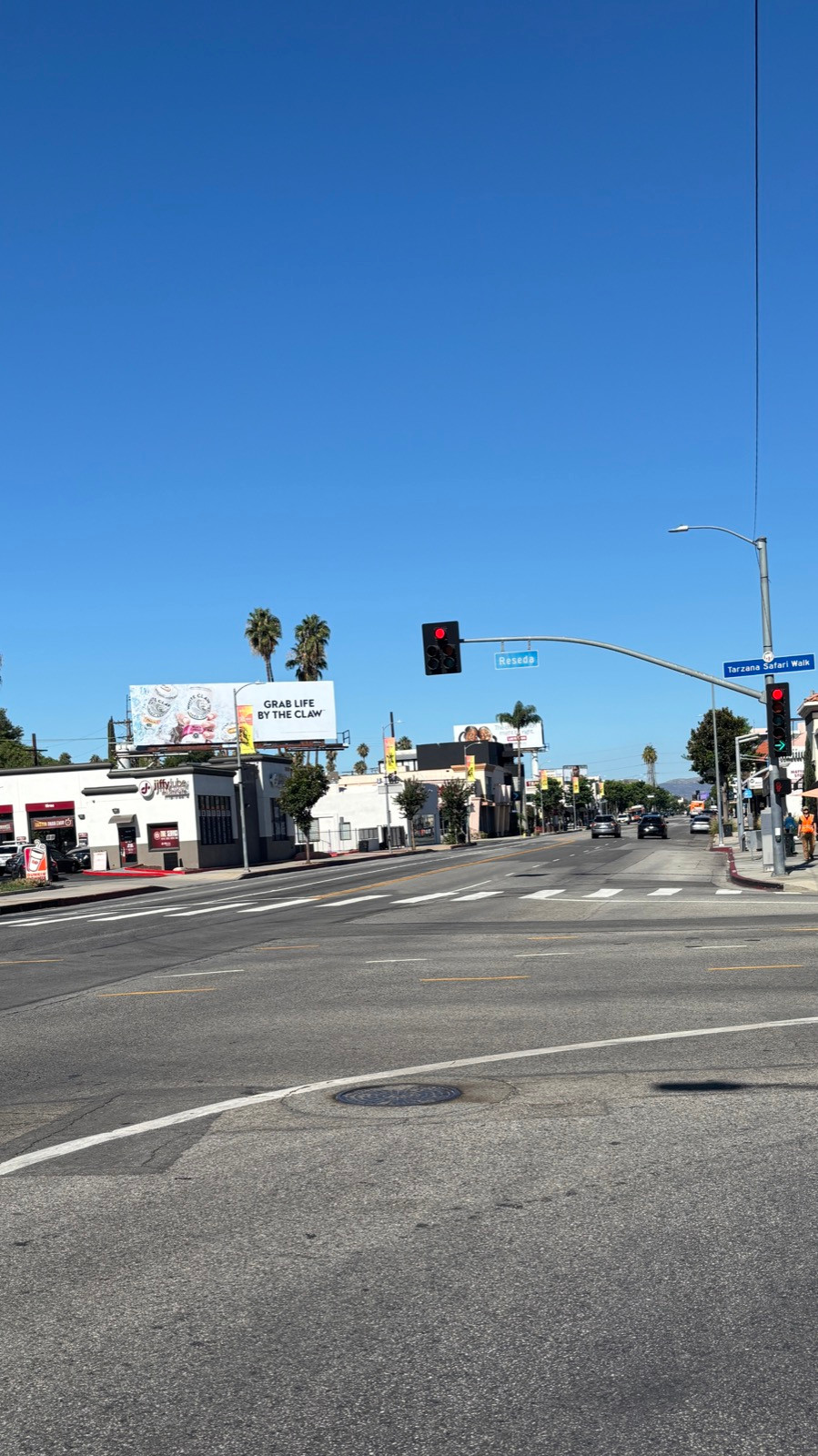 CC0 / Wikimedia Commons (Alexis Doine)
A Tarzana industrial unit with no reputation to trade on became the room Death Row worked out of through the label's most productive years.
Full story →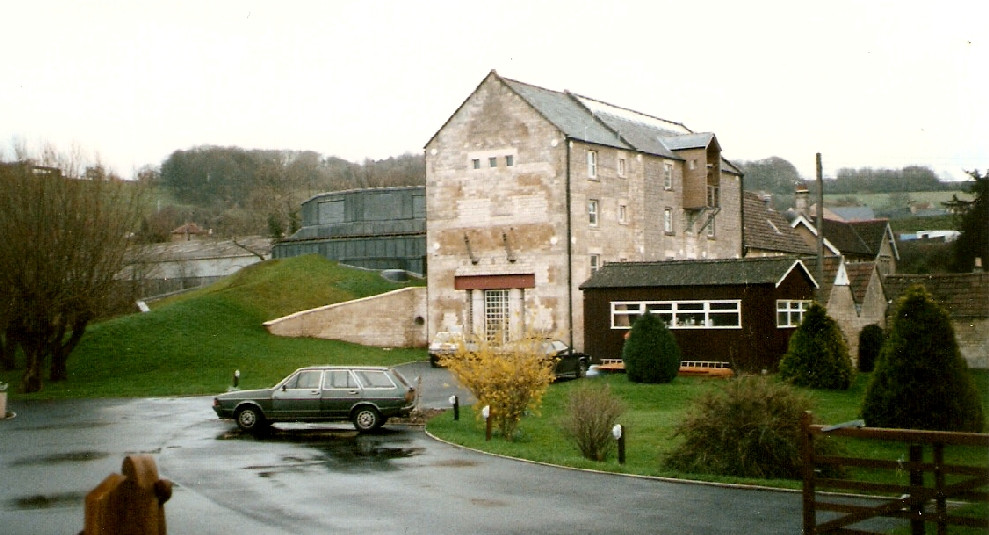 CC BY-SA 3.0 / Wikimedia Commons
Gabriel conceived a converted Wiltshire mill as something other than a commercial facility, and its Recording Weeks brought artists from different countries and traditions together with no fixed agenda.
Full story →A converted windmill on the farm matched the best London studios for equipment, the home studio grown up, providing everything a commercial studio can within the artist's daily life.
Full story →Browse all 42 studios A–Z → The parallel history of the mixing console →